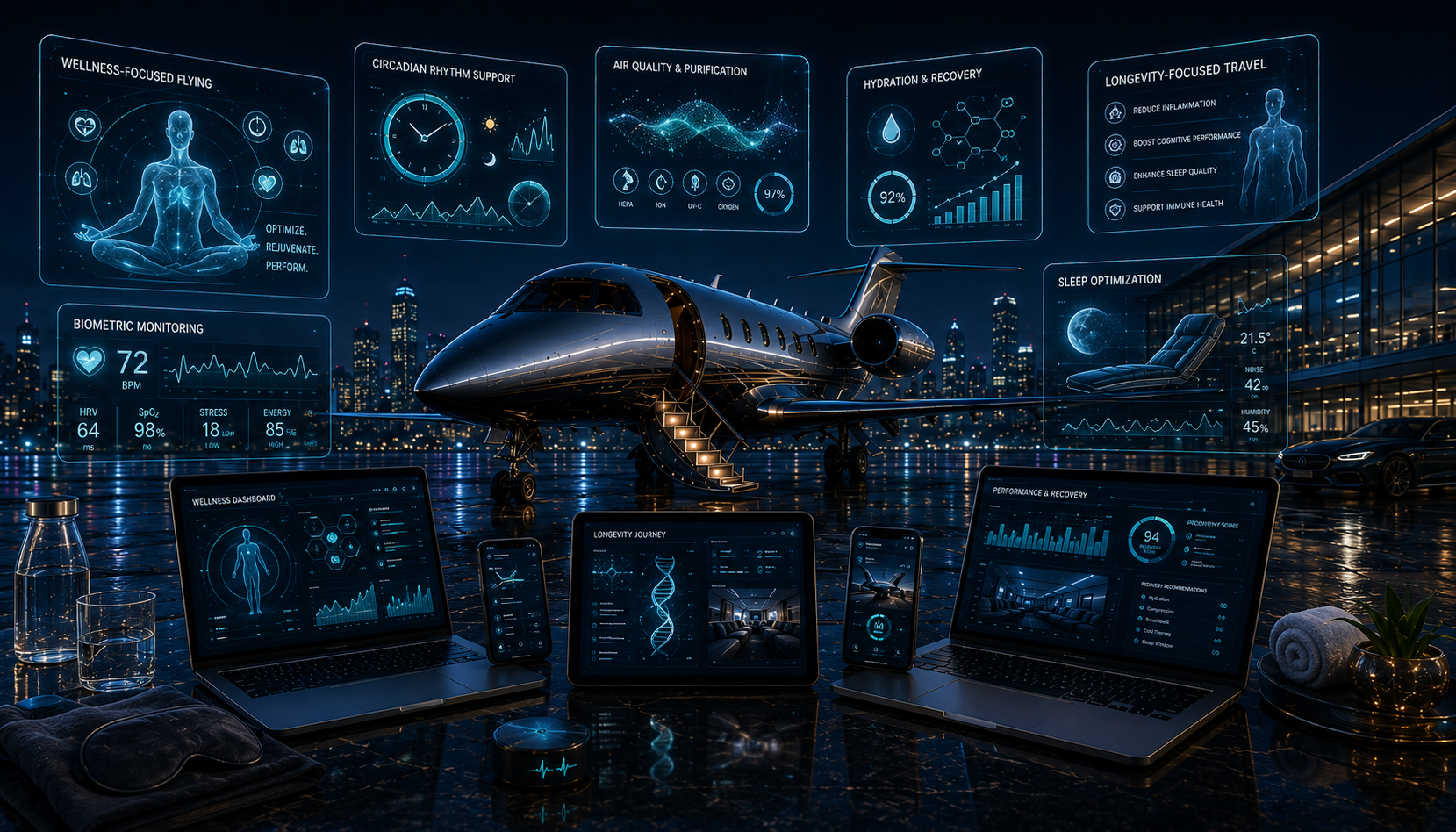
The “Longevity” Hook: Why Wellness-Focused Flyers Choose Specific Jets
Direct Answer: Wellness-focused private aviation clients often choose specific aircraft because cabin altitude, humidity, noise levels, sleep quality, lighting, turbulence performance, air circulation, and flight duration can affect fatigue, recovery, cognitive performance, hydration, and overall comfort. Therefore, private jet marketing should position certain aircraft around wellness outcomes instead of only luxury aesthetics.
The private aviation conversation is changing. UHNW travelers no longer care only about prestige and speed. Instead, many wellness-focused flyers care about how they feel after the flight. They want lower fatigue, better sleep, reduced dehydration, less travel stress, and smoother transitions into meetings, events, recovery routines, or family time.
Consequently, the aircraft itself becomes part of a broader longevity lifestyle. A wellness-focused buyer may compare cabin pressure, humidity systems, quietness, stand-up cabin space, circadian lighting, and nonstop range before booking.
Additionally, research shows that cabin environment affects hydration, fatigue, sleep quality, and traveler comfort. The FAA explains how cabin altitude and air pressure impact passengers, while medical organizations continue studying sleep, circadian rhythm disruption, and travel fatigue. The FAA discusses cabin pressure and hypoxia, while the Sleep Foundation explains jet lag and travel fatigue.
Key Takeaways
- Wellness-focused buyers increasingly evaluate aircraft through a longevity lens.
- However, most charter marketing still focuses mainly on luxury imagery.
- Therefore, operators should explain how aircraft environments affect comfort and recovery.
- Additionally, cabin altitude, humidity, sleep quality, and noise levels matter to many UHNW travelers.
- Ultimately, wellness-focused messaging creates differentiation beyond traditional luxury positioning.
What Is the Longevity Hook?
Direct Answer: The longevity hook positions private aviation around recovery, wellness, performance, and reduced travel stress instead of pure status.
This shift matters because affluent travelers increasingly optimize sleep, nutrition, recovery, stress management, fitness, and cognitive performance. Therefore, travel decisions now connect directly to broader wellness goals.
The Longevity Hook Focuses On
- reduced fatigue
- better hydration
- improved sleep quality
- less travel stress
- lower recovery time
- smoother travel experience
- higher productivity after landing
- reduced disruption to routines
As a result, the aircraft becomes part of the buyer’s performance lifestyle.
Why Wellness Messaging Works in Private Aviation
Direct Answer: Wellness messaging works because it reframes private aviation as a performance tool instead of only a luxury purchase.
Luxury is expected at the UHNW level. However, wellness optimization feels more personal and practical. Therefore, wellness positioning often creates stronger emotional relevance.
Wellness Messaging Appeals To
- biohackers
- executives
- founders
- athletes
- longevity-focused travelers
- family office clients
- health-conscious families
- high-performance professionals
Additionally, wellness-focused buyers often spend aggressively on products and experiences that protect time, energy, and recovery.
The Rise of Wellness-Focused UHNW Travelers
Direct Answer: Many UHNW travelers now view wellness as a status category and lifestyle priority.
Luxury wellness tourism, longevity clinics, personalized medicine, sleep optimization, wearable health tracking, recovery technology, and nutrition optimization continue growing. Therefore, aviation naturally becomes part of that ecosystem.
Wellness-Oriented Buyer Questions
- Which jet reduces fatigue most?
- What aircraft has the lowest cabin altitude?
- Which jet is best for sleeping on long flights?
- Which aircraft feels least dehydrating?
- Which jet has the quietest cabin?
- Which aircraft is best for recovery after international travel?
Consequently, charter companies should create content that answers these questions directly.
Why Cabin Altitude Matters
Direct Answer: Lower cabin altitude can improve comfort and reduce fatigue during long flights.
Aircraft cabins are pressurized, but not always to sea-level conditions. Therefore, cabin altitude affects how passengers feel during and after the flight.
Some newer long-range aircraft advertise lower cabin altitude systems, which may improve comfort for certain travelers. However, marketing claims should remain careful and factual.
Cabin Altitude Benefits Often Associated With
- reduced fatigue
- better oxygen comfort
- less travel exhaustion
- better cognitive comfort
- improved long-haul experience
Additionally, explain that traveler experience varies by person, route, hydration, sleep, and overall health.
Humidity and Hydration in Private Jets
Direct Answer: Humidity levels can influence comfort and dehydration during flights.
Dry cabin air may contribute to dehydration, dry skin, fatigue, and discomfort. Therefore, some wellness-focused travelers prefer aircraft known for more advanced cabin environments.
Humidity-Focused Messaging Should Discuss
- comfort during long flights
- hydration support
- reduced dryness
- wellness-oriented cabin design
- long-range comfort considerations
However, avoid medical claims. Instead, position humidity as part of a broader comfort experience.
Sleep Quality and Jet Selection
Direct Answer: Sleep quality is one of the strongest wellness reasons buyers choose larger and quieter aircraft.
Executives, athletes, celebrities, and founders may need to land ready for meetings, events, performances, or negotiations. Therefore, sleep becomes operationally valuable.
Sleep-Focused Aircraft Features
- quiet cabins
- flat sleeping areas
- lower cabin altitude
- reduced vibration
- circadian lighting
- larger cabin space
- better temperature control
As a result, certain aircraft become associated with recovery-oriented travel.
Noise Reduction and Cognitive Fatigue
Direct Answer: Cabin noise can affect relaxation, stress, and post-flight mental fatigue.
Quieter cabins may improve comfort during long-haul travel. Therefore, noise reduction becomes another wellness selling point.
Quiet Cabin Messaging Can Focus On
- better conversations
- improved rest
- less mental fatigue
- reduced sensory overload
- higher comfort during long flights
Consequently, quietness becomes more than a luxury feature. It becomes a wellness feature.
Why Nonstop Range Matters for Wellness
Direct Answer: Nonstop range supports wellness because fewer stops often mean less disruption, stress, and fatigue.
Every stop creates additional transitions, delays, and interruptions. Therefore, nonstop capability becomes part of the longevity conversation.
Nonstop Wellness Benefits
- less schedule disruption
- more sleep continuity
- reduced airport transitions
- less stress
- shorter total travel time
- better recovery after arrival
Additionally, nonstop range often appeals strongly to international business travelers.
Jets Often Associated With Wellness and Comfort
Direct Answer: Certain long-range jets are frequently associated with advanced cabin comfort features.
Marketing should stay careful and factual. However, some aircraft are commonly discussed around comfort, quietness, range, and cabin environment.
Aircraft Commonly Mentioned in Wellness Discussions
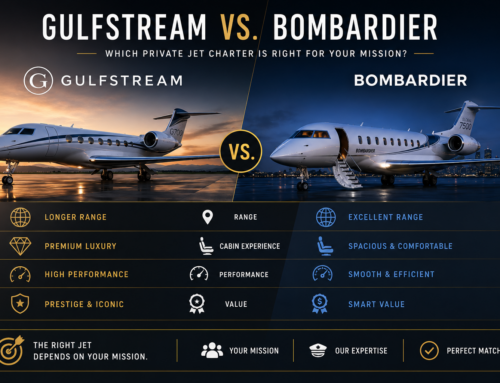
- Gulfstream G700
- Gulfstream G650ER
- Bombardier Global 7500
- Dassault Falcon 8X
- Bombardier Global 6500
- Gulfstream G600
Important Marketing Reminder
Do not imply medical benefits or guaranteed health outcomes. Instead, discuss comfort, cabin environment, and traveler experience.
Landing Page Strategy for Wellness-Focused Flyers
Direct Answer: Wellness-focused landing pages should position the aircraft as part of a high-performance lifestyle.
Recommended Landing Page Sections
- wellness-focused headline
- direct answer summary
- sleep and recovery section
- cabin environment explanation
- route-specific comfort guidance
- quiet cabin section
- nonstop range benefits
- FAQ section
- private route review CTA
Additionally, avoid generic luxury clichés. Instead, explain practical outcomes.
Longevity-Based Marketing Copy Examples
Direct Answer: Strong longevity copy focuses on how the traveler feels after the flight.
Hero Copy
“Choose an aircraft designed for lower fatigue, quieter travel, and better long-haul comfort. Review wellness-focused jet options for your next international mission.”
Form Microcopy
“Share your route and timing first. Then, an advisor can review aircraft options based on comfort, range, and travel preferences.”
CTA Copy
“Request a Wellness-Focused Route Review”
Trust Copy
“Many long-range travelers prioritize nonstop capability, quieter cabins, and lower-stress flight experiences when selecting aircraft.”
Therefore, the copy sells outcomes instead of appearances.
Ad Angles for Wellness-Focused Aviation Buyers
Direct Answer: Wellness-focused aviation ads should emphasize energy, recovery, comfort, and performance.
Strong Ad Hooks
- Land Ready Instead of Exhausted
- Choose a Jet Designed for Long-Haul Comfort
- Reduce Travel Fatigue on Your Next International Mission
- Sleep Better During Long-Range Flights
- Review Wellness-Focused Aircraft Options
- Private Aviation Designed Around Recovery and Comfort
Additionally, avoid exaggerated health claims. Instead, keep the message comfort-focused and experience-driven.
SEO and GEO Opportunities Around Aviation Wellness
Direct Answer: Wellness-focused aviation creates strong SEO and GEO opportunities because travelers increasingly search around fatigue, sleep, and comfort.
Topic Ideas
- Best private jets for long-haul comfort
- Lowest cabin altitude private jets
- Best private jets for sleep
- How private jets reduce travel fatigue
- Quietest long-range private jets
- Private aviation for wellness-focused executives
- How nonstop range affects travel recovery
- Wellness-focused private jet charter guide
Furthermore, these topics support AI search because they answer practical traveler questions directly.
How AI Search Changes Wellness Aviation Marketing
Direct Answer: AI search rewards brands that clearly explain aircraft comfort, wellness considerations, and travel outcomes.
When someone asks an AI system, “Which private jet is best for long-haul comfort?” the AI needs structured, educational source material. Therefore, private aviation companies should create wellness-focused aircraft pages and FAQs.
AI-Friendly Wellness Content Should Include
- direct answers
- comfort explanations
- aircraft comparison pages
- FAQ sections
- route-specific recommendations
- schema markup
- internal links between aircraft and route pages
Consequently, wellness content becomes both an SEO asset and an AI-search asset.
Sales Strategy for Wellness-Conscious Flyers
Direct Answer: Wellness-conscious buyers respond best to advisory-style conversations focused on outcomes and travel experience.
Sales Questions to Ask
- Do you prefer nonstop routing?
- How important is sleep during the flight?
- Will you land directly into meetings or events?
- Do you prioritize quiet cabins?
- Are you traveling internationally frequently?
- Do you prefer larger stand-up cabins?
Therefore, the sales process becomes consultative instead of purely transactional.
Traditional Luxury vs Longevity Positioning
Direct Answer: Longevity positioning focuses on recovery and performance, while traditional luxury focuses on prestige.
| Category | Traditional Luxury Messaging | Longevity Messaging |
|---|---|---|
| Core Promise | Status and exclusivity | Comfort and recovery |
| Main Emotion | Aspiration | Performance optimization |
| Focus | Appearance | How the traveler feels after landing |
| Aircraft Discussion | Luxury interiors | Cabin environment and comfort |
| Buyer Motivation | Prestige | Energy, sleep, and wellness |
| CTA | Book Your Flight | Request a Wellness-Focused Route Review |
Metrics That Matter
Direct Answer: Wellness-focused aviation content should be measured by qualified engagement and aircraft-specific inquiry quality.
Track These Metrics
- aircraft page conversion rate
- wellness-content engagement time
- route review submissions
- aircraft comparison usage
- qualified lead rate
- international-route inquiries
- AI-search visibility
- consultation bookings
- high-value charter conversions
- repeat-client retention
Additionally, compare wellness-focused CTAs against generic luxury CTAs to evaluate conversion quality differences.
Common Wellness Marketing Mistakes
Direct Answer: Wellness aviation marketing fails when brands overpromise health outcomes or rely on vague luxury language.
- making medical claims
- promising guaranteed recovery benefits
- using generic luxury clichés
- ignoring cabin environment details
- not discussing nonstop range
- not answering sleep-related questions
- not building aircraft comparison pages
- not optimizing for AI-search questions
- not training advisors on wellness positioning
- focusing only on prestige imagery
Instead, explain practical comfort and travel-experience differences clearly.
Frequently Asked Questions
Why do wellness-focused travelers choose specific private jets?
Many wellness-focused travelers prioritize cabin comfort, lower fatigue, sleep quality, quietness, nonstop range, and reduced travel stress.
What private jet features support comfort during long flights?
Cabin altitude systems, humidity management, quieter cabins, larger sleeping areas, and nonstop range can improve comfort for many travelers.
Can private jets reduce travel fatigue?
Private aviation may reduce certain travel stress factors such as airport congestion, delays, and interruptions. Additionally, some aircraft are designed for greater long-haul comfort.
Which private jets are often associated with wellness-focused travel?
Aircraft commonly discussed around comfort and long-range travel include the Gulfstream G700, G650ER, Bombardier Global 7500, and Dassault Falcon 8X.
How should charter companies market wellness-focused flights?
They should focus on comfort, recovery, sleep quality, quieter cabins, nonstop range, and practical traveler outcomes rather than exaggerated health claims.
External Sources
Conclusion
Direct Answer: Wellness-focused private aviation marketing works because many UHNW travelers now evaluate aircraft based on comfort, fatigue reduction, sleep quality, and travel recovery instead of status alone.
Luxury remains important. However, longevity-focused buyers increasingly care about how they feel after the flight. Therefore, charter companies should explain cabin environment, nonstop range, quietness, and long-haul comfort in practical, advisory language.
Final Insight: The future of premium aviation marketing is not only about flying private. It is about landing with more energy, less stress, and better recovery.
About the author : Anthony Paulino