
The “Green-Shaming” Mitigation: Marketing Sustainable Aviation Fuel (SAF)
Direct Answer: Sustainable Aviation Fuel marketing works best when private aviation brands explain SAF as a practical emissions-reduction option without guilt, exaggeration, or greenwashing. Therefore, the message should focus on lifecycle emissions, transparency, availability limits, buyer choice, operational credibility, and responsible progress instead of shaming clients for flying private.
Private aviation has a sustainability problem in the public conversation. However, that does not mean charter companies should hide from the topic. Instead, they should address it with calm, factual, and buyer-respectful language.
SAF gives aviation companies a way to discuss progress without pretending private flying has no impact. IATA says SAF can reduce CO2 emissions by up to 80% on a lifecycle basis, depending on feedstock and production pathway. Additionally, the FAA describes SAF as an important tool alongside new technology and operational efficiency in aviation’s broader net-zero goals. IATA explains SAF, and the FAA explains aviation energy and SAF.
However, SAF marketing must stay careful. The FTC Green Guides help marketers avoid misleading environmental claims. Therefore, aviation brands should avoid vague claims like “green private jet” or “carbon-neutral flight” unless they can support the statement with specific, accurate evidence. The FTC explains Green Guides.
Key Takeaways
- SAF marketing should educate buyers without guilt or moral pressure.
- However, vague sustainability claims can create greenwashing risk.
- Therefore, private aviation brands should explain SAF with clear limits, lifecycle language, and transparent sourcing.
- Additionally, SAF messaging should support choice, responsibility, and operational credibility.
- Ultimately, the best SAF marketing reduces “green-shaming” by replacing defensiveness with facts.
What Is Green-Shaming in Private Aviation?
Direct Answer: Green-shaming happens when private aviation buyers feel judged, attacked, or publicly criticized for using private flights.
This matters because sustainability messaging can either build trust or create defensiveness. If a charter company uses guilt-heavy language, the buyer may disengage. However, if the company explains responsible options calmly, the buyer can make a more informed decision.
Green-Shaming Triggers
- guilt-based environmental language
- public moral comparisons
- aggressive anti-private-flight narratives
- vague “green” claims
- defensive brand responses
- unclear offset or SAF claims
- overpromised carbon-neutral statements
Therefore, private aviation brands should speak with maturity. The goal is not to shame the buyer. Instead, the goal is to show responsible options.
What Is Sustainable Aviation Fuel?
Direct Answer: Sustainable Aviation Fuel is an alternative aviation fuel made from non-petroleum feedstocks that can reduce lifecycle emissions compared with conventional jet fuel.
SAF can come from sources such as waste oils, fats, municipal waste, and non-food crops. Additionally, SAF can work as a drop-in fuel in existing aircraft and infrastructure when blended within approved limits. The U.S. Alternative Fuels Data Center notes SAF blend limits can vary by feedstock and production pathway. The Alternative Fuels Data Center explains SAF.
SAF Messaging Basics
- Explain lifecycle emissions, not tailpipe elimination.
- Clarify that SAF availability varies by airport and supplier.
- Use specific claims only when documentation supports them.
- Avoid implying that SAF makes flying impact-free.
- Explain SAF as one part of aviation decarbonization.
Consequently, SAF becomes a credible option rather than a marketing slogan.
Why SAF Messaging Matters for Private Aviation
Direct Answer: SAF messaging matters because sustainability-conscious clients want options without being lectured.
Many UHNW travelers still need private aviation for schedule control, privacy, security, family logistics, medical travel, business travel, or remote access. However, some also want to reduce the environmental impact of those flights when possible.
SAF Messaging Helps Brands
- answer sustainability objections
- support family office ESG questions
- protect premium brand trust
- reduce defensiveness
- educate assistants and advisors
- avoid vague green claims
- differentiate through responsible planning
- support AI-search visibility for SAF queries
Therefore, SAF marketing should become part of the trust layer, not a guilt layer.
The Wrong Way to Market SAF
Direct Answer: The wrong way to market SAF is to exaggerate, moralize, or use vague environmental claims that cannot be proven.
Private aviation buyers are sophisticated. Therefore, shallow “green jet” messaging can backfire. It may sound performative, inaccurate, or legally risky.
Weak Claims to Avoid
- Fly carbon-free
- Green private jet travel
- Zero-impact luxury flights
- Eco-friendly charter with no downside
- Completely sustainable private aviation
- Carbon-neutral by default
Instead, explain what SAF can do, what it cannot do, and how the buyer can ask about availability.
The Green-Shaming Mitigation Framework
Direct Answer: The best SAF messaging framework combines empathy, facts, limits, choice, and next steps.
Use this formula:
SAF Trust = Buyer Respect + Verified Facts + Clear Limits + Practical Choice + Transparent Next Step
Framework Steps
- Respect: acknowledge why the client may need private aviation.
- Facts: explain SAF with source-supported language.
- Limits: clarify availability, blending, and lifecycle context.
- Choice: let the buyer request SAF options without pressure.
- Next Step: offer a route review or availability check.
As a result, the brand sounds responsible without sounding judgmental.
How to Position SAF Without Greenwashing
Direct Answer: Position SAF as a lower-lifecycle-emissions option when available, not as a perfect solution.
This single shift protects credibility. Instead of saying “green flight,” say “SAF availability may help reduce lifecycle emissions for eligible missions.” Additionally, explain that SAF sourcing, airport access, blend levels, and documentation vary.
Credible Positioning Lines
- Ask about SAF availability for your route.
- Review lower-lifecycle-emissions fuel options when available.
- SAF may reduce lifecycle emissions compared with conventional jet fuel.
- Availability depends on airport, supplier, route, and timing.
- Our advisor can explain SAF options during your route review.
Therefore, the copy stays premium, factual, and compliant.
SAF Landing Page Strategy
Direct Answer: A SAF landing page should educate, qualify, and guide without creating guilt.
Use This Page Structure
- H1 focused on SAF availability or responsible charter planning
- Direct-answer summary explaining SAF clearly
- Short section on what SAF can and cannot claim
- Route review CTA
- FAQ section for family offices and assistants
- External source links to IATA, FAA, FTC, or AFDC
- Schema stack for AI-search clarity
- Final CTA focused on availability review
Additionally, the page should avoid sounding defensive. Instead, it should sound clear and advisory.
SAF Copy Examples
Direct Answer: Strong SAF copy uses calm, specific, and source-supported language.
Hero Copy
“Ask about Sustainable Aviation Fuel availability for your next private charter. Our advisors can review route fit, airport access, supplier availability, and lower-lifecycle-emissions options when available.”
Form Microcopy
“Share your route and timing first. Then, an advisor can review whether SAF options may be available for your mission.”
FAQ Copy
“SAF does not make private aviation impact-free. However, depending on fuel source and availability, it may reduce lifecycle emissions compared with conventional jet fuel.”
CTA Copy
“Request a SAF Availability Review”
Therefore, the message gives buyers a confident next step without overclaiming.
Ad Angles for SAF and Private Aviation
Direct Answer: SAF ads should focus on responsible planning, not moral pressure.
Strong Ad Hooks
- Ask About SAF Availability Before Your Next Charter
- Review Lower-Lifecycle-Emission Fuel Options When Available
- Private Aviation Planning With Sustainability Options
- Flying Private? Review SAF Availability for Your Route
- Make a More Informed Fuel Choice Before You Charter
- Private Route Review With SAF Option Guidance
Additionally, avoid implying that the user personally flies private or needs to reduce guilt. Instead, keep the copy neutral and choice-based.
SEO and GEO Topics for SAF Marketing
Direct Answer: SAF creates strong SEO and GEO opportunities because buyers and advisors ask practical sustainability questions.
SAF Topic Ideas
- What is Sustainable Aviation Fuel?
- Can private jets use SAF?
- How much can SAF reduce lifecycle emissions?
- Is SAF available for private jet charters?
- How do family offices ask about SAF?
- SAF vs carbon offsets for private aviation
- How to avoid greenwashing in private aviation marketing
- How to explain SAF to UHNW clients
Furthermore, these topics support AI search because they answer direct questions clearly.
Sales Follow-Up for Sustainability-Conscious Buyers
Direct Answer: Sustainability-conscious buyers need factual, calm, and documentation-friendly follow-up.
Sales Follow-Up Rules
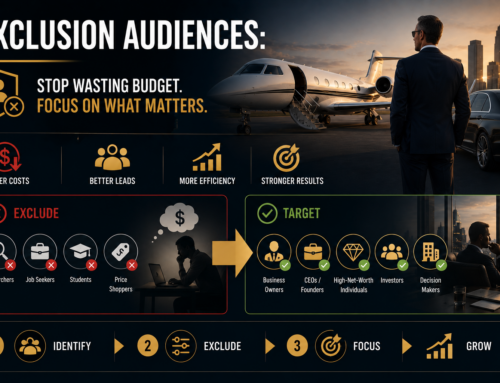
- Do not shame the buyer.
- Ask whether SAF availability matters for the mission.
- Explain that availability varies by airport and timing.
- Clarify lifecycle-emissions language.
- Offer documentation when available.
- Do not promise carbon neutrality unless verified.
- Keep the focus on route, aircraft fit, and fuel options.
Therefore, the sales process reinforces the credibility of the sustainability message.
Greenwashing vs Credible SAF Messaging
Direct Answer: Credible SAF messaging explains specific options and limits, while greenwashing uses vague or absolute claims.
| Category | Weak Greenwashing Message | Credible SAF Message |
|---|---|---|
| Core Claim | Fly green with no impact | Ask about lower-lifecycle-emissions fuel options when available |
| Buyer Emotion | Guilt or virtue signaling | Informed choice |
| Accuracy | Vague or absolute | Specific and limited |
| CTA | Book an eco-friendly jet | Request a SAF availability review |
| Trust Signal | Broad sustainability claim | Sources, documentation, and advisor explanation |
| Risk Level | Higher greenwashing risk | Lower risk when supported |
Metrics That Matter
Direct Answer: SAF marketing should be measured by qualified sustainability inquiries, trust engagement, and conversion quality.
Track These Metrics
- SAF page conversion rate
- SAF FAQ engagement
- SAF availability review submissions
- qualified lead rate
- family office inquiry rate
- route match rate
- advisor call bookings
- organic traffic from SAF queries
- AI-search visibility for SAF questions
- sales notes mentioning sustainability
Additionally, compare sustainability-focused traffic against general charter traffic. Therefore, you can see whether SAF content improves lead quality.
Common SAF Marketing Mistakes
Direct Answer: SAF marketing fails when brands overclaim, shame buyers, or avoid explaining real limitations.
- using vague “green aviation” claims
- promising carbon-neutral flights without proof
- ignoring SAF availability limits
- not explaining lifecycle emissions
- using guilt-based copy
- not linking to credible sources
- not training sales on SAF language
- not documenting claims
- not creating SAF FAQ content
- not optimizing for AI-search questions
Instead, use source-backed education and transparent choice-based language.
Frequently Asked Questions
What is Sustainable Aviation Fuel?
Sustainable Aviation Fuel is an alternative aviation fuel made from non-petroleum feedstocks that can reduce lifecycle emissions compared with conventional jet fuel.
Can private jets use SAF?
Yes, private aircraft can use approved SAF blends when fuel is available and operational requirements allow it.
Does SAF make private aviation carbon-free?
No. SAF can reduce lifecycle emissions, but it does not make private aviation impact-free.
How should charter companies market SAF?
They should market SAF with factual, source-supported language that explains availability, lifecycle impact, limits, and buyer choice.
What is greenwashing in SAF marketing?
Greenwashing happens when a brand makes vague, exaggerated, or unsupported environmental claims about SAF or sustainability.
External Sources
Conclusion
Direct Answer: SAF marketing should reduce green-shaming by replacing guilt with clarity, transparency, and responsible options.
Private aviation buyers do not need lectures. However, many do want informed choices. Therefore, charter brands should explain SAF availability, lifecycle-emissions language, limitations, and next steps in a way that feels factual and premium.
Final Insight: Sustainable aviation marketing does not win by pretending private flights have no impact. Instead, it wins by showing serious buyers how to make better-informed decisions without shame, hype, or greenwashing.
About the author : Anthony Paulino