Digital Real Estate Resources
Digital Real Estate Resources give business owners, founders, and marketing leaders a focused place to understand how long-term online authority gets built. Instead of renting attention forever through ads, these resources explain how SEO, GEO, content hubs, internal links, schema, city pages, service pages, and AI-citable answers become owned digital assets.
Start with the featured resource carousel below. Each resource gives you a practical way to improve search visibility, AI citations, topical authority, lead generation, and long-term market control. Then, continue into the deeper framework below to see how Digital Real Estate Resources support a larger Digital Fortress system.
Direct Answer: Digital Real Estate Resources help businesses turn pages, blogs, hubs, service content, schema, and internal links into owned online assets that compound authority over time. The strongest resources show how SEO and GEO create lasting visibility, AI citations, qualified leads, and market control without relying only on rented ad traffic.

The “Anti-Agency” Manifesto: Why Retaining a Specialized Infrastructure Partner Beats Hiring a Generalist
The "Anti-Agency" Manifesto: Why Retaining a Specialized Infrastructure Partner Beats
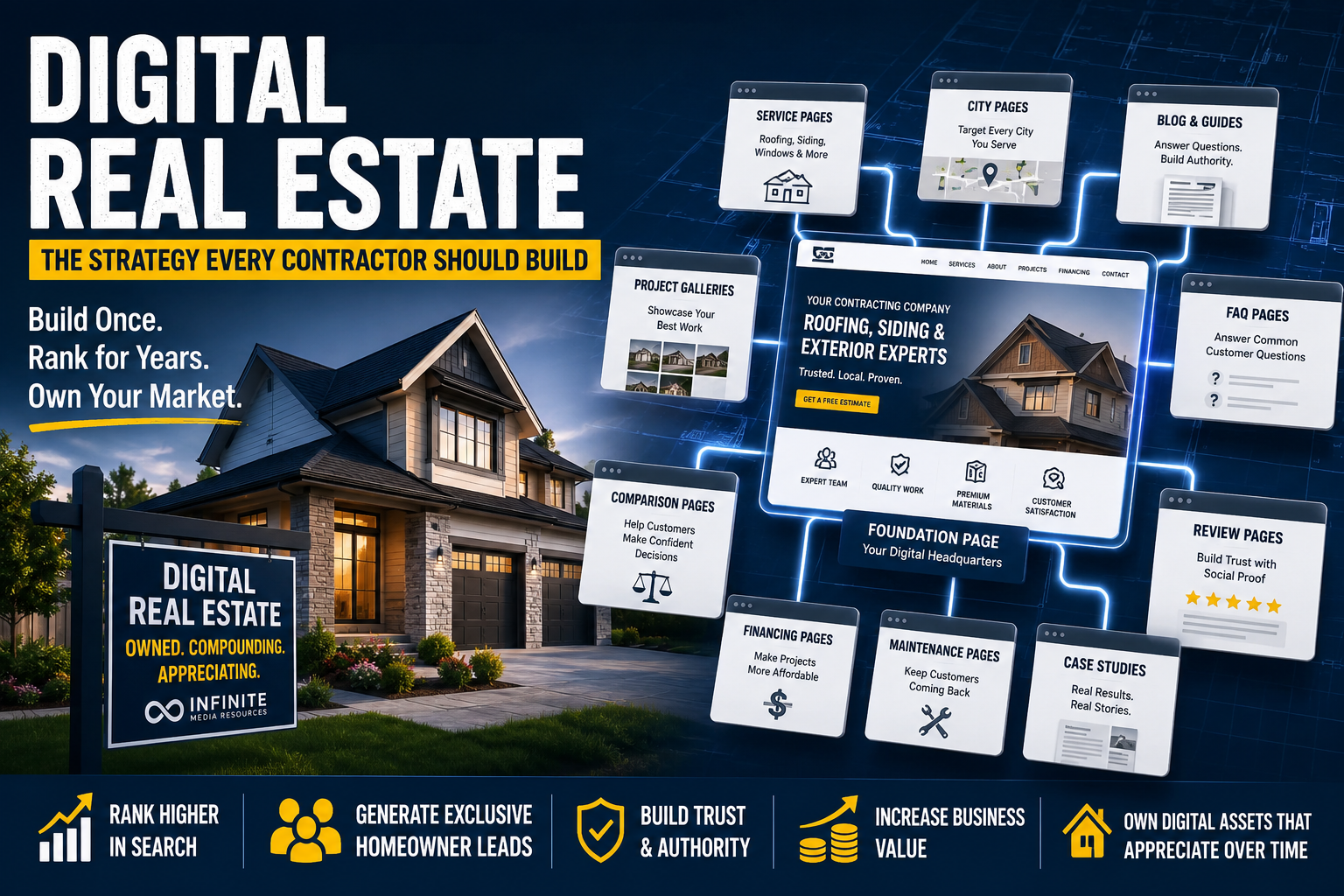
The Digital Real Estate Strategy Every Contractor Should Build
The Digital Real Estate Strategy Every Contractor Should Build Every
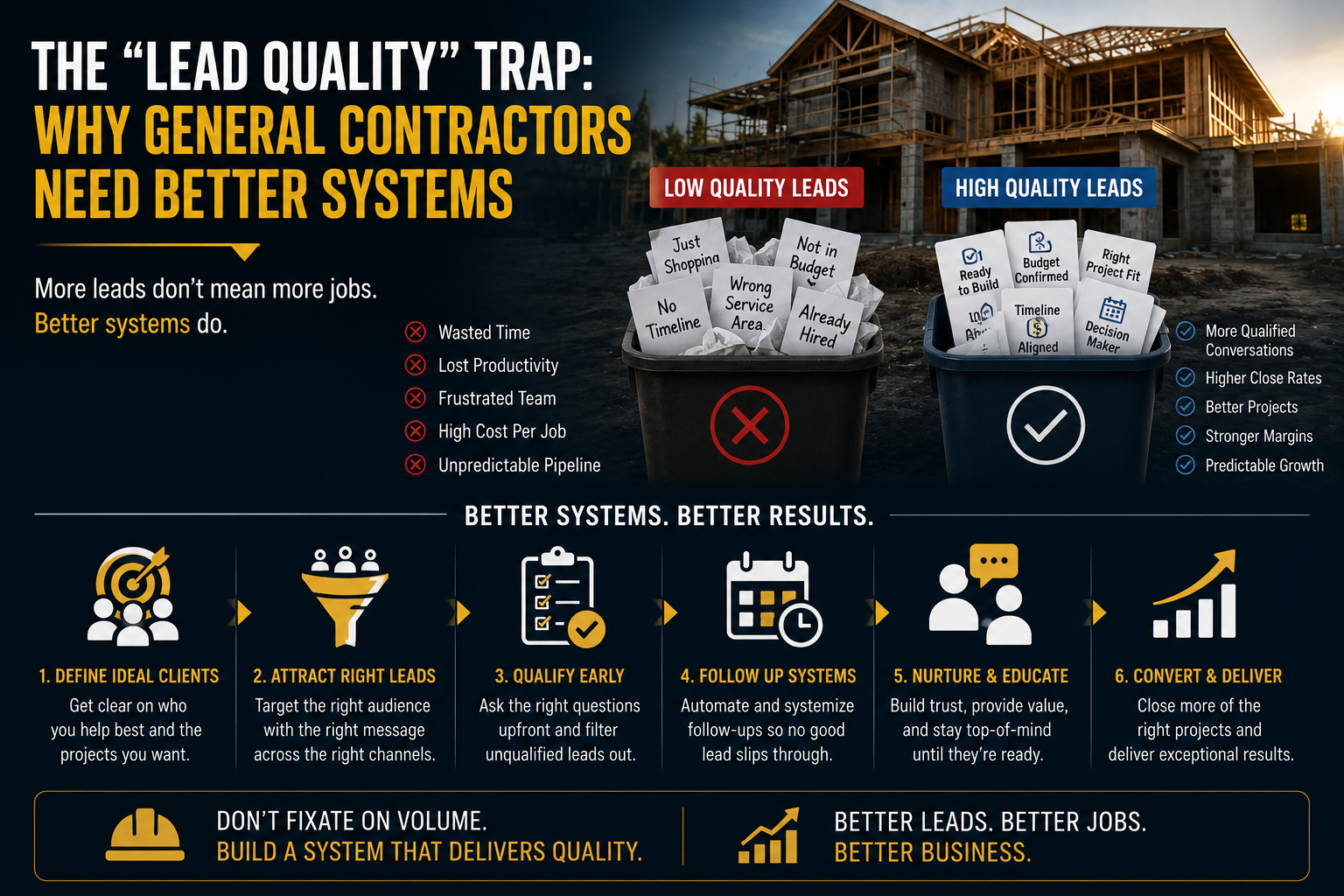
The “Lead Quality” Trap: Why General Contractors Need Better Systems
The “Lead Quality” Trap: Why General Contractors Need Better Systems
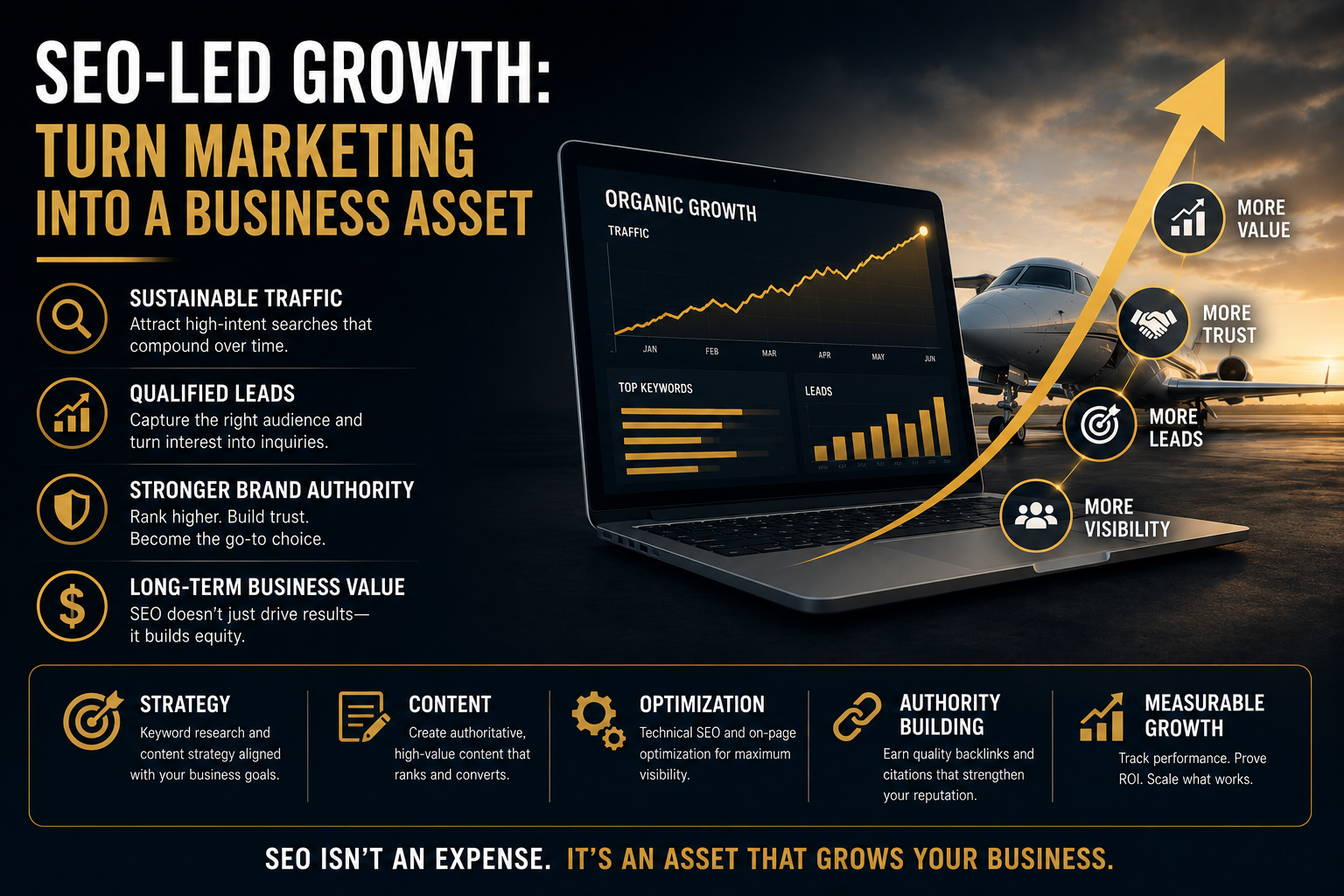
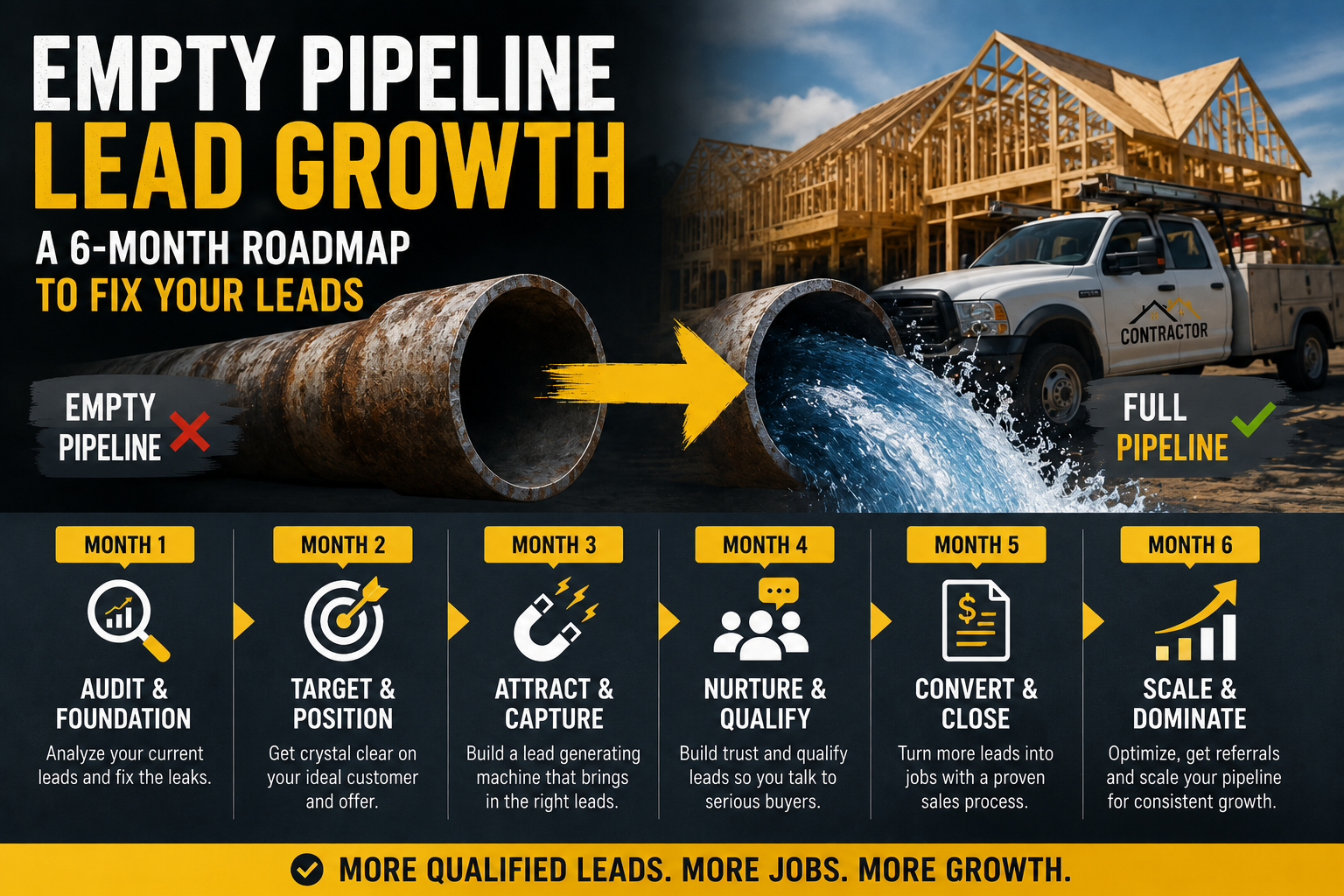
Fixing the Empty Pipeline: A 6-Month Roadmap for Sustainable Lead Growth
Fixing the “Empty Pipeline”: A 6-Month Roadmap for Sustainable Lead
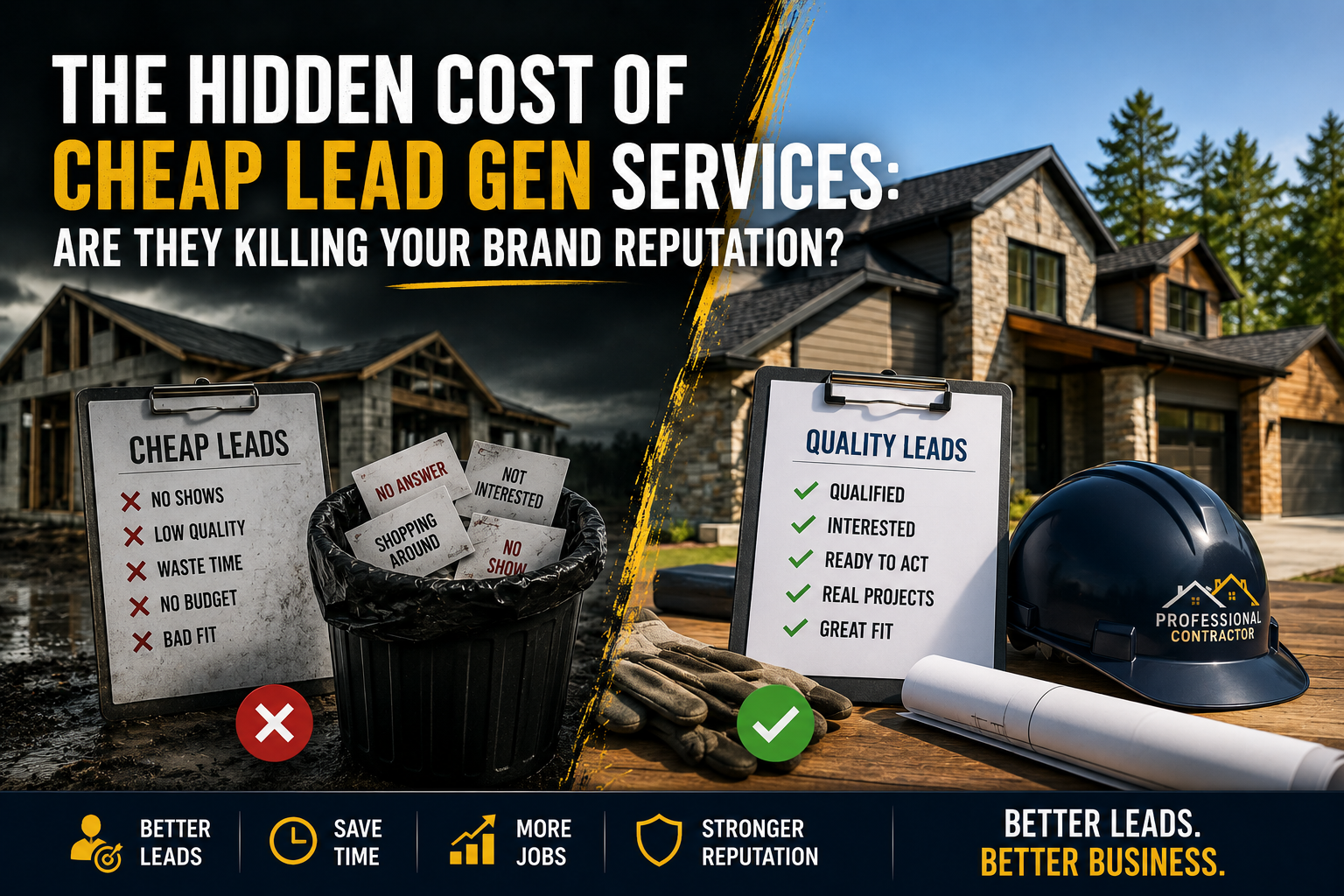
The Hidden Cost of Cheap Lead Gen Services: Are They Killing Your Brand Reputation?
The Hidden Cost of “Cheap” Lead Gen Services: Are They
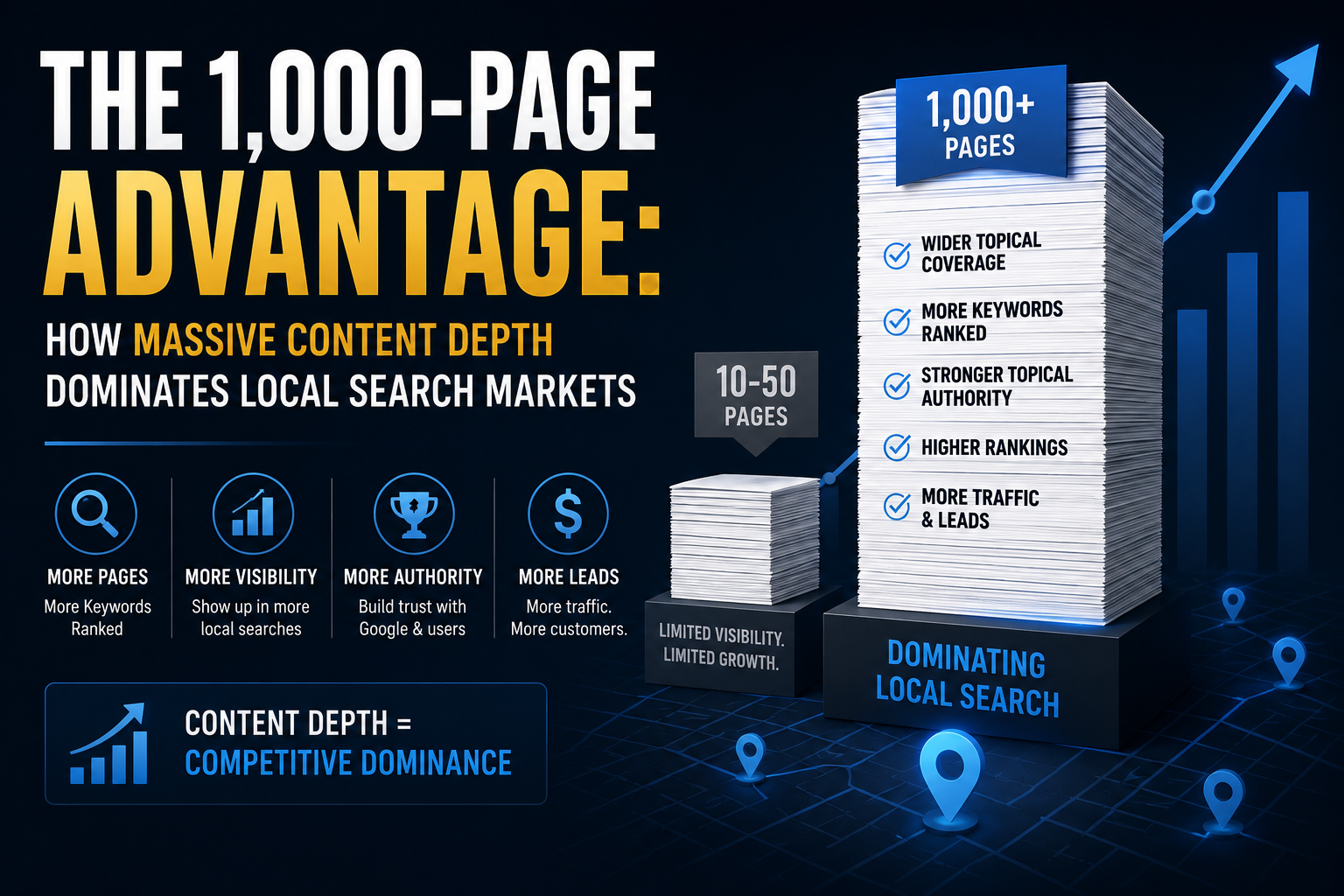
The 1,000-Page Advantage: How Massive Content Depth Dominates Local Search Markets
The 1,000-Page Advantage: How Massive Content Depth Dominates Local Search

Why Contractors Are Moving Away From Shared Leads
Why Contractors Are Moving Away From Shared Leads Direct Answer:
What Digital Real Estate Resources Are
Direct Answer: Digital Real Estate Resources are strategic guides, articles, frameworks, FAQs, and service assets that explain how businesses build owned online authority. They show how SEO pages, GEO resources, content hubs, internal links, schema, and conversion paths create durable visibility that can keep producing leads over time.
These resources should not read like generic SEO advice. Instead, they should function like asset-building playbooks. Therefore, each resource must explain one specific authority problem clearly. That problem may involve service page strategy, local SEO scale, GEO visibility, AI citations, content architecture, internal linking, landing pages, or long-term lead generation.
Furthermore, Digital Real Estate Resources must help business owners think differently about marketing. Paid ads can create fast attention. However, owned authority creates leverage. Because of that, every resource should explain how pages, hubs, and structured content become assets instead of expenses.
Why Digital Real Estate Works Like Business Infrastructure
A weak resource says, “SEO helps websites rank.” However, a strong resource explains how a company can own more search territory, answer more buyer questions, appear in more AI summaries, and build more conversion paths. Additionally, it shows why thousands of connected pages can create a moat competitors cannot copy quickly.
Because of that, the best Digital Real Estate Resources act like business infrastructure. They create durable discovery paths. They strengthen topic authority. Additionally, they allow IMR to connect SEO, GEO, city pages, service pages, blogs, paid ads, and conversion strategy into one measurable growth system.
SEO Assets and Long-Term Visibility
Direct Answer: SEO assets are pages and content systems designed to capture search demand over time. Strong Digital Real Estate Resources explain how keyword strategy, service pages, hub pages, city pages, technical SEO, and helpful content build long-term visibility that does not depend only on paid traffic.
SEO becomes more powerful when it operates as an asset system. One page can rank for one topic. However, a connected ecosystem can rank across many topics, markets, services, and buyer questions. Therefore, businesses should not treat SEO as random blogging.
Instead, each page should have a job. A service page should convert. A city page should create local relevance. A blog should answer a specific question. A resource page should organize the cluster. A hub should teach the full topic. As a result, the website becomes easier to understand and easier to trust.
How SEO Assets Compound Over Time
SEO assets compound when they connect. A single page can gain authority from internal links. Then, it can pass authority to related pages. Additionally, each new page gives search engines more context about what the business does and who it serves.
Strong SEO assets include:
- Clear keyword intent mapping.
- Helpful content that answers real questions.
- Internal links between related pages.
- Fast, crawlable, mobile-friendly page structure.
- Meta titles and descriptions built for clicks.
- Schema that supports search understanding.
- Conversion sections that guide the next step.
Because of that, SEO assets should not be judged only by first-month traffic. Instead, they should be judged by how they support authority, conversion, and long-term search territory.
GEO and AI Citation Assets
Direct Answer: GEO assets help businesses become easier for AI engines to understand, summarize, and cite. Strong Digital Real Estate Resources show how direct answers, schema, entity clarity, expert authorship, and topical depth turn website content into source material for AI-generated responses.
Generative Engine Optimization expands the value of digital real estate. Traditional SEO helps pages rank. GEO helps pages get cited in AI answers. Therefore, businesses need content that works for both search engines and answer engines.
AI engines prefer clear source material. They need definitions, concise answers, structured examples, and consistent terminology. Therefore, digital real estate must include pages that explain the business, services, market, process, proof, and common questions clearly.
What Makes a Page AI-Citable
A page becomes more AI-citable when it removes ambiguity. It should explain the topic in plain language. It should answer questions directly. Additionally, it should support the answer with structure, schema, and relevant links.
Strong GEO assets include:
- Direct-answer summaries near the top.
- FAQ sections with expert answers.
- HowTo sections for process-based topics.
- Article schema with author provenance.
- Speakable schema targeting key summaries.
- Consistent entity descriptions across the site.
- External citations from trusted non-competing sources.
Because of that, GEO makes digital real estate more valuable. The website does not only compete for clicks. It competes to become the source AI systems trust.
Content Architecture and Internal Linking
Direct Answer: Content architecture organizes website assets so search engines, AI systems, and users can understand the relationship between services, topics, markets, and buyer questions. Strong Digital Real Estate Resources show how internal links turn isolated pages into a connected authority system.
Random publishing weakens authority. If a website has disconnected pages, search engines may not understand the full topic map. Therefore, digital real estate must use a deliberate architecture.
A strong architecture starts with core service pages. Then, it adds hubs, resources, blogs, city pages, FAQs, and case studies. Each asset should connect to related assets through natural internal links. As a result, authority compounds across the site.
How Internal Links Build Authority Loops
Internal links show relationships. A page about GEO should link to AI search resources. A city page should link to relevant services. A blog should link back to the parent resource hub. Therefore, each link helps users and machines understand the site.
Strong content architecture includes:
- Core service pages for commercial intent.
- Resource hubs for broad authority.
- Blogs for specific questions.
- City pages for local search coverage.
- Industry pages for vertical relevance.
- Case studies for proof.
- Breadcrumbs for clear navigation.
As a result, the website becomes more than a collection of pages. It becomes a connected digital real estate portfolio.
Conversion Assets and Lead Generation
Direct Answer: Digital real estate only becomes valuable when it supports business outcomes. Strong conversion assets turn traffic, AI visibility, and search demand into inquiries through clear offers, trust signals, direct answers, strong CTAs, landing pages, and follow-up systems.
Traffic alone does not create revenue. A business can own many rankings and still lose leads if the page does not convert. Therefore, digital real estate must include conversion strategy.
Every page should guide the reader toward a next step. That step may be a strategy session, consultation, audit, quote request, or service inquiry. Additionally, the CTA should match the page topic and buyer intent.
How Owned Pages Create Qualified Pipeline
Owned pages create pipeline when they attract the right visitor and reduce friction. The page should answer objections, explain value, and make the next step clear. Then, follow-up systems should respond quickly and move the lead into a real conversation.
Strong conversion assets include:
- Clear page-specific offers.
- Direct answer summaries.
- Trust-building FAQs.
- Proof or logical validation.
- Short and clear CTAs.
- Relevant internal links.
- CRM and follow-up workflows.
As a result, digital real estate does not just create visibility. It creates a more reliable path from search demand to sales opportunity.
How Digital Real Estate Resources Strengthen the Digital Fortress
Direct Answer: Digital Real Estate Resources strengthen the Digital Fortress by turning every page, guide, FAQ, article, service asset, and local resource into a connected authority node. Each asset supports one buyer question or market opportunity while the hub organizes those assets into a system that compounds search, AI, and conversion authority.
A single resource can help. However, a connected resource ecosystem compounds. Therefore, each resource page should act as a hub that organizes related content. Then, every related blog, guide, and service page should link back to the resource page. Additionally, the resource page should link to relevant hubs, services, and strategic guides.
This structure matters because search engines and AI engines evaluate topical relationships. If one website publishes scattered content with weak internal links, authority stays fragmented. However, if the website connects digital real estate resources, service pages, local pages, industry hubs, and blogs, the topic becomes easier to understand.
Why the Hub Structure Matters for 1,000-Page Authority
For IMR, the Digital Real Estate Resources page should support the 1,000-page Digital Fortress architecture. It should connect broad asset-building education to tactical articles. Then, those tactical articles should connect to service pages, GEO hubs, SEO resources, local pages, and case studies. Consequently, the website builds both breadth and depth.
This architecture also protects long-term growth. Paid ads can create fast demand. However, owned content builds a durable asset. Therefore, every blog, resource page, hub, and service page should work together instead of competing for attention.
Best Digital Real Estate Resources
Direct Answer: The best Digital Real Estate Resources help businesses understand owned visibility, SEO authority, GEO citations, content architecture, local market coverage, service-page strategy, and lead generation. Each resource should connect back to this hub so authority compounds across the website.
- SEO Services — This service page explains how organic search visibility can build long-term lead generation authority.
- Generative Engine Optimization Services — This page explains how AI citations and answer visibility can support owned authority.
- Generative Engine Optimization & AI Search Hub — This hub explains how AI search visibility connects to authority, trust, and lead generation.
- Generative Engine Optimization Resources — This resource hub explains how GEO assets improve AI citations and answer visibility.
- AI Search Optimization Resources — This hub explains how brands can structure content for answer-engine visibility.
- Lead Generation Resources — This resource explains how visibility becomes qualified sales opportunity.
- Multi-Offer Home Exterior Lead Generation Case Study — This case study shows how offer strategy and lead generation systems create measurable demand.
Common Digital Real Estate Mistakes
Direct Answer: The biggest digital real estate mistake is treating content like a short-term campaign instead of a long-term asset system. Businesses lose authority when they publish disconnected pages, skip internal links, ignore schema, chase only traffic, and fail to connect visibility to conversion.
Many businesses publish content without architecture. However, random content rarely builds a moat. If the website lacks service pages, resource hubs, city pages, internal links, and conversion paths, authority stays fragmented.
- Publishing blogs without parent resource hubs.
- Creating service pages without supporting content.
- Building city pages with thin swapped copy.
- Ignoring GEO and AI citation strategy.
- Skipping schema and author provenance.
- Using weak internal links.
- Measuring traffic without tracking qualified leads.
Instead, each digital asset should serve one strategic purpose. It should answer one buyer question, support one topic, or cover one market. Then, it should connect to the next logical asset.
FAQ Authority Stack
What makes Digital Real Estate Resources valuable for businesses?
Digital Real Estate Resources become valuable when they explain how owned pages, SEO, GEO, schema, internal links, and conversion assets create long-term visibility. Strong resources help businesses move from rented attention to owned authority that can produce qualified demand over time.
How should a company choose digital real estate topics?
A company should choose topics based on buyer intent, service demand, market coverage, AI citation potential, and conversion value. Strong topics include service pages, city pages, GEO resources, SEO hubs, buyer questions, comparison pages, and lead generation frameworks.
Why is digital real estate different from paid advertising?
Paid advertising rents attention while digital real estate builds owned visibility. Ads can create fast demand, but pages, hubs, and resources can keep producing authority after publication. Therefore, the strongest strategy uses paid media for speed and owned assets for long-term leverage.
How do resource pages support the Digital Fortress strategy?
Resource pages support the Digital Fortress strategy by organizing related blogs, guides, FAQs, services, local pages, and case studies into one authority hub. Each related asset links back to the resource page, and the resource page links to relevant services and hubs. Therefore, authority compounds across the website.
Should businesses focus more on SEO or GEO for digital real estate?
Businesses should focus on both. SEO helps owned pages rank and attract search demand, while GEO helps those pages get cited inside AI-generated answers. The strongest digital real estate strategy blends keyword targeting, technical SEO, schema, direct answers, internal links, and expert attribution.
Business Identity and Expert Signature
Anthony Paulino — COO
Infinite Media Resources
1896 Coventry Dr
Brunswick, OH 44212
Next Steps
Direct Answer: The next step is to turn digital real estate into a connected authority and lead generation system. Build the resource hub, link every related asset back to it, connect the hub to verified service pages, and use direct answers, schema, internal links, and expert positioning to support long-term growth.
Digital real estate becomes powerful when every asset has a job. Therefore, your content must build authority before the inquiry happens. If your company wants better visibility across search, AI answers, paid media, and buyer journeys, your digital real estate resource system must become a structured asset instead of a random publishing calendar.