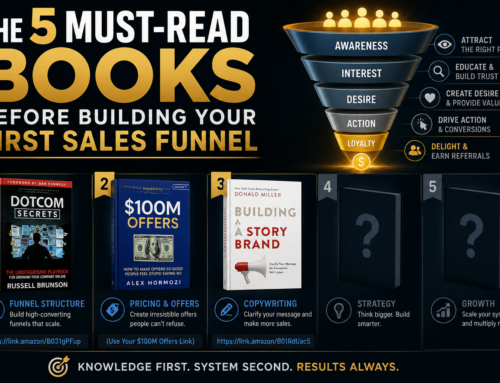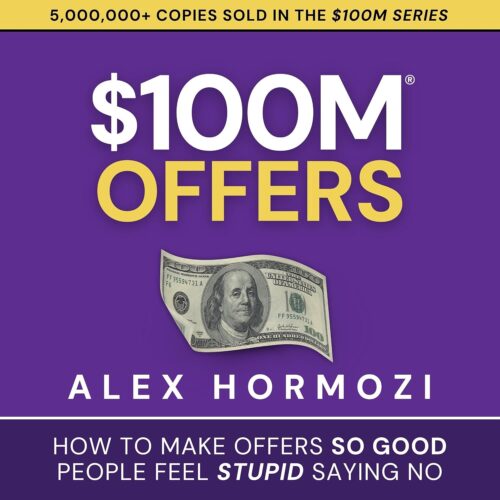

$100M Offers vs 10X Rule: Which Scales a Digital Marketing Agency Faster?
Definition: $100M Offers teaches how to make what you sell far more desirable, while The 10X Rule teaches how to take action at levels far beyond average effort.
Direct Answer: If a digital marketing agency has weak positioning, poor close rates, or price objections, Alex Hormozi’s $100M Offers usually scales it faster because better offers improve conversions and pricing power. However, if the agency already closes well but lacks pipeline volume, Grant Cardone’s The 10X Rule can accelerate growth through aggressive execution. Therefore, the fastest path often combines both systems.
Many entrepreneurs ask which business book creates growth faster. That is a fair question. However, it is often the wrong first question. Usually, one book fixes demand problems, while the other fixes effort problems.
That distinction matters greatly for agencies. Some agencies fail because nobody truly wants the package. Meanwhile, other agencies fail because they do not publish enough, prospect enough, follow up enough, or sell enough.
Therefore, this comparison is less about naming one winner and more about diagnosing the bottleneck that is slowing growth today.
Key Takeaways
- $100M Offers improves demand, pricing, and close rates.
- The 10X Rule improves urgency, output, and activity volume.
- Agencies with weak offers usually need better packaging first.
- Agencies with strong offers may need more action next.
- The best growth often combines strategy plus execution.
- Infrastructure determines whether growth survives long term.
Why This Comparison Matters
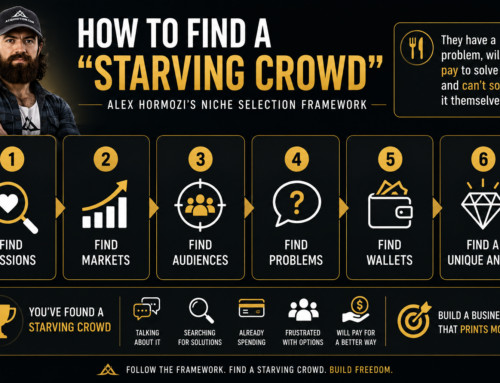
Digital marketing agencies often hit growth ceilings quickly. They may stall at a few clients, struggle with churn, fight price objections, or rely completely on founder hustle.
Because of that, owners usually look for leverage. Some need stronger sales systems. Others need better offers. Meanwhile, many need both at the same time.
This comparison matters because Hormozi and Cardone attack growth from different angles. One focuses on desirability. The other focuses on intensity. Therefore, understanding the difference can save years of wasted effort.
Rather than blindly copying tactics, agency owners should first identify the actual bottleneck. Once that happens, the right framework becomes much clearer.
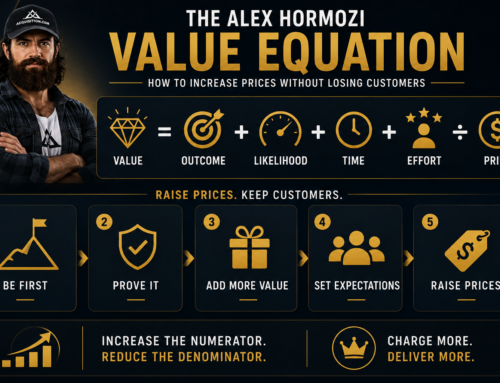
What $100M Offers Teaches
Alex Hormozi’s core message is simple: make the offer so valuable that resistance falls sharply.
Instead of selling generic “SEO services” or “ads management,” an agency can package outcomes, speed, guarantees, reporting clarity, onboarding help, bonuses, and authority.
As a result, the same traffic can convert better. Likewise, stronger offers can justify higher pricing.
Why Agencies Benefit
- Higher close rates
- Better pricing power
- Less commoditization
- Shorter sales cycles
- More referrals from stronger results
Therefore, agencies with weak conversion rates usually gain quickly from this framework.
If prospects constantly say “too expensive” or “I need to think about it,” then the offer often needs work before anything else.
What The 10X Rule Teaches
Grant Cardone’s message is different. He argues that most people underestimate the effort required for success. Therefore, they set goals too low and act too little.
His solution is massive action. In other words, increase output until the market cannot ignore you.
For agencies, that can mean:
- More outreach daily
- More follow-up attempts
- More content published
- More proposals sent
- More networking
- More calls booked
As a result, pipeline volume can rise quickly. Therefore, agencies with inconsistency or timid execution often benefit from the 10X mindset.
Which Scales an Agency Faster?
If Your Offer Is Weak
$100M Offers wins.
If prospects ask what makes you different, hesitate on price, or compare you to every competitor, then more activity may simply create more rejection. Therefore, stronger packaging usually scales faster than more hustle.
If Your Offer Is Strong but Pipeline Is Thin
The 10X Rule wins.
If prospects already buy once they speak with you, then the bottleneck may be volume. Therefore, more outreach, more publishing, and more appointments can unlock faster growth.
If Both Are Weak
You need both. First, improve the offer. Then, multiply action.
If Delivery Is Weak
Neither book alone solves fulfillment issues. Therefore, systems, hiring, onboarding, and client success still matter greatly.
Real Agency Scenarios
Scenario 1: The Cheap SEO Agency
They sell generic retainers and compete on price. Therefore, $100M Offers likely helps more by repositioning value.
Scenario 2: The Talented but Invisible Agency
They deliver strong results but barely market themselves. Therefore, The 10X Rule likely helps more through action volume.
Scenario 3: Founder Burnout Agency
The owner sells everything personally and has no systems. Therefore, both books help, yet infrastructure matters even more.
Scenario 4: Plateaued Growth Agency
They have some traction but no scale engine. Therefore, better offers plus more outreach plus owned assets become the path forward.
Why Both Need a Digital Fortress
This is where many agencies miss the larger game.
You can create a better offer. You can also take 10X action. However, if you do not own lasting infrastructure, growth can disappear when effort stops.
That is why a Digital Fortress matters.
A 1,000-page SEO and GEO authority build creates owned assets that continue attracting demand long after cold outreach slows or ad spend pauses.
What a Digital Fortress Can Include
- City service pages
- Industry authority hubs
- Comparison pages
- Case studies
- FAQ libraries
- AI-search optimized pages
- Location intent pages
- Problem-solution pages
- Review and trust pages
Therefore, Hormozi helps you convert traffic. Cardone helps you create activity. Yet the fortress helps demand survive.
Without owned infrastructure, agencies often stay dependent on founder energy, paid ads, or unstable platforms. Consequently, growth becomes fragile.
Comparison Table
| Category | $100M Offers | 10X Rule |
|---|---|---|
| Main Focus | Better offers | More action |
| Best For | Low close rates | Low pipeline volume |
| Improves Pricing | Yes | Indirectly |
| Improves Motivation | Moderately | Strongly |
| Reduces Commodity Trap | Yes | No |
| Creates Urgency | Somewhat | Yes |
The Best Combined Strategy
The strongest agencies usually do all three:
- Create irresistible offers.
- Execute with high volume.
- Build owned authority infrastructure.
That means:
- Hormozi for conversion
- Cardone for momentum
- Digital Fortress for long-term leverage
Therefore, short-term growth and long-term stability can work together.
When all three are present, agencies often scale faster and hold gains longer.
Frequently Asked Questions
Which book should a new agency read first?
Usually $100M Offers, because strong offers make selling easier from day one.
Which book helps low-motivation teams more?
The 10X Rule, because it emphasizes urgency and output.
Can both books work together?
Yes. Better offers plus more action is a strong combination.
What is still missing after reading both?
Owned demand infrastructure like SEO, GEO, content assets, and authority pages.
Why does a Digital Fortress matter?
Because it can keep generating visibility even when founder energy or ad spend slows.
Final Verdict
If your agency struggles to convert leads, $100M Offers likely scales you faster. If your agency closes well but has weak pipeline volume, The 10X Rule may unlock faster growth through action.
However, the real winner is usually the combination.
Even then, neither strategy reaches full power without infrastructure. Therefore, agencies that want durable scale should combine elite offers, aggressive execution, and a long-term Digital Fortress built through SEO and GEO authority assets.
About the author : Anthony Paulino