Lead Generation Resources
Lead Generation Resources give business owners, sales teams, and marketing leaders a focused place to learn how to attract, qualify, and convert better prospects. Instead of chasing random traffic, these resources show how offers, landing pages, SEO, GEO, paid ads, retargeting, automation, and follow-up systems work together to create pipeline growth.
Start with the featured resource carousel below. Each resource gives you a practical way to improve lead quality, reduce wasted spend, strengthen conversion paths, and turn more attention into booked opportunities. Then, continue into the deeper framework below to see how Lead Generation Resources connect into a larger Digital Fortress system.
Direct Answer: Lead Generation Resources help businesses turn traffic, search intent, paid ads, AI visibility, landing pages, and follow-up systems into qualified sales opportunities. The strongest resources do not focus on lead volume alone; they help companies attract better prospects, improve conversion rates, and build a repeatable pipeline system.

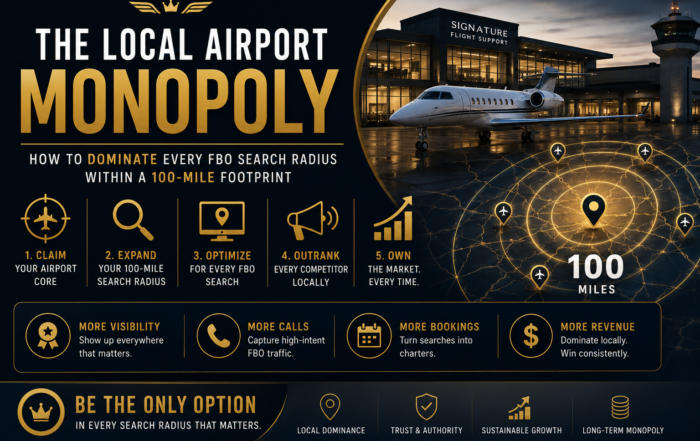
Why Charter Companies Lose Customers Before They Call
Why Charter Companies Lose Customers Before They Call Most private
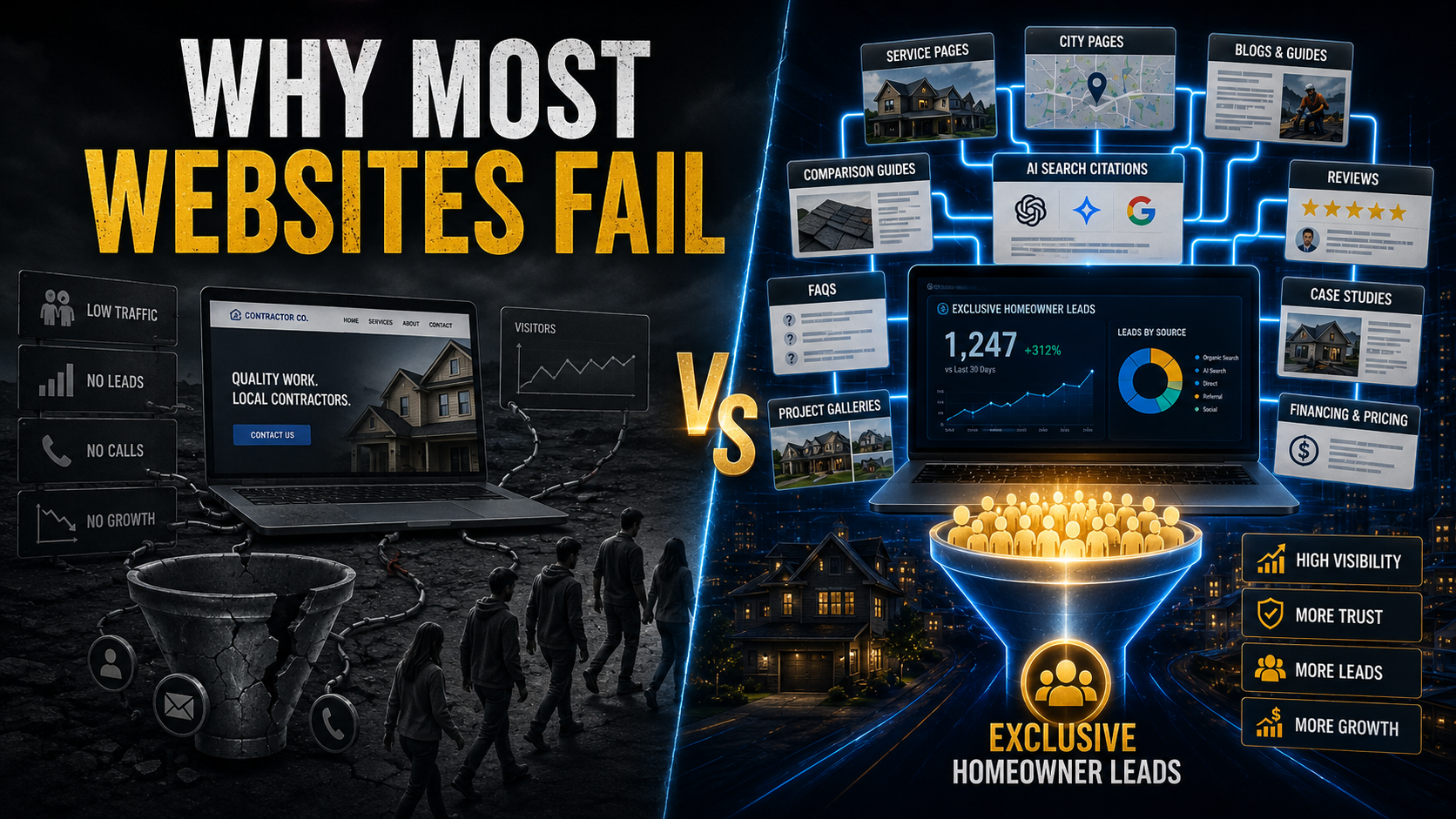
Why Most Contractor Websites Never Generate Leads
Why Most Contractor Websites Never Generate Leads Most contractors do
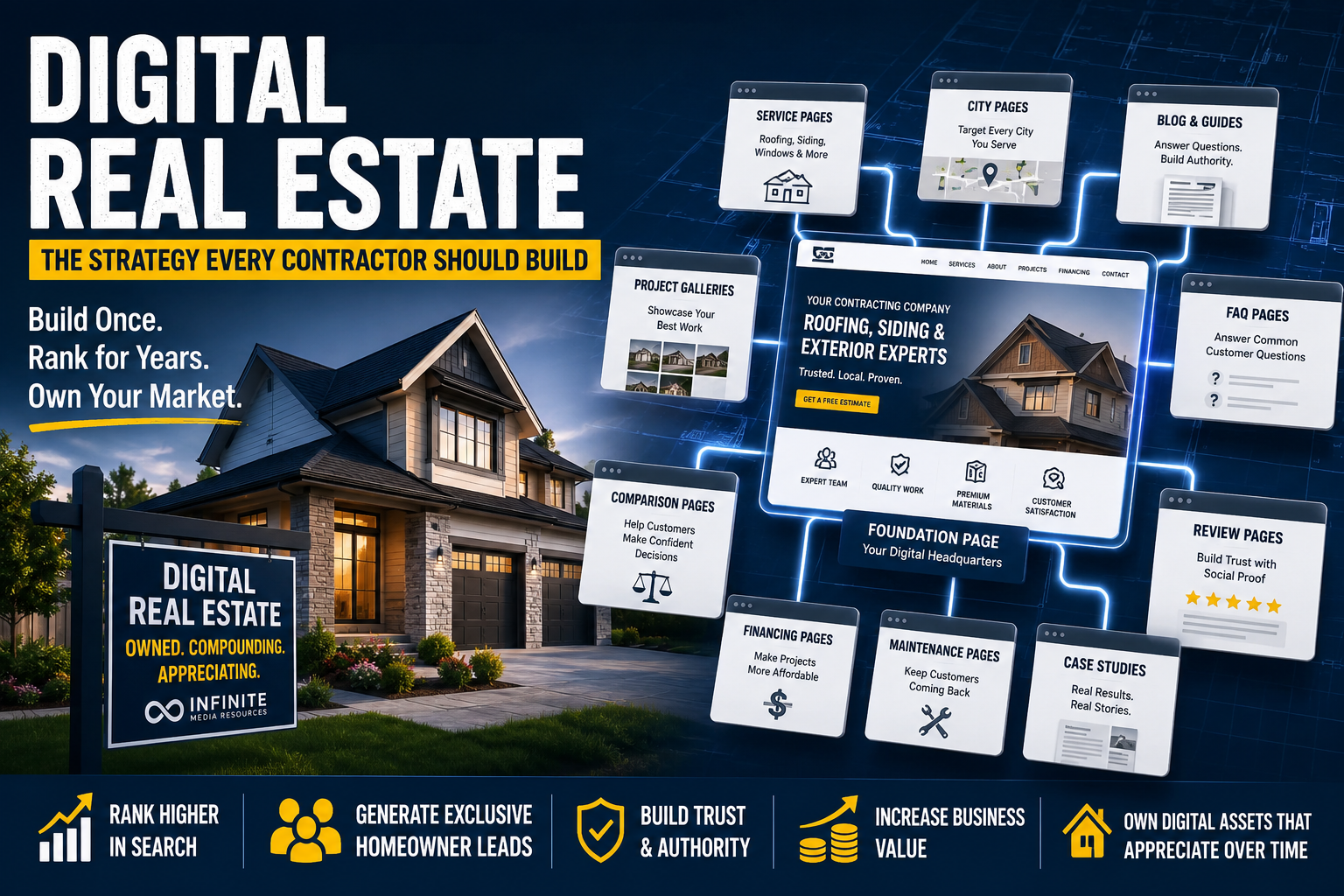
The Digital Real Estate Strategy Every Contractor Should Build
The Digital Real Estate Strategy Every Contractor Should Build Every
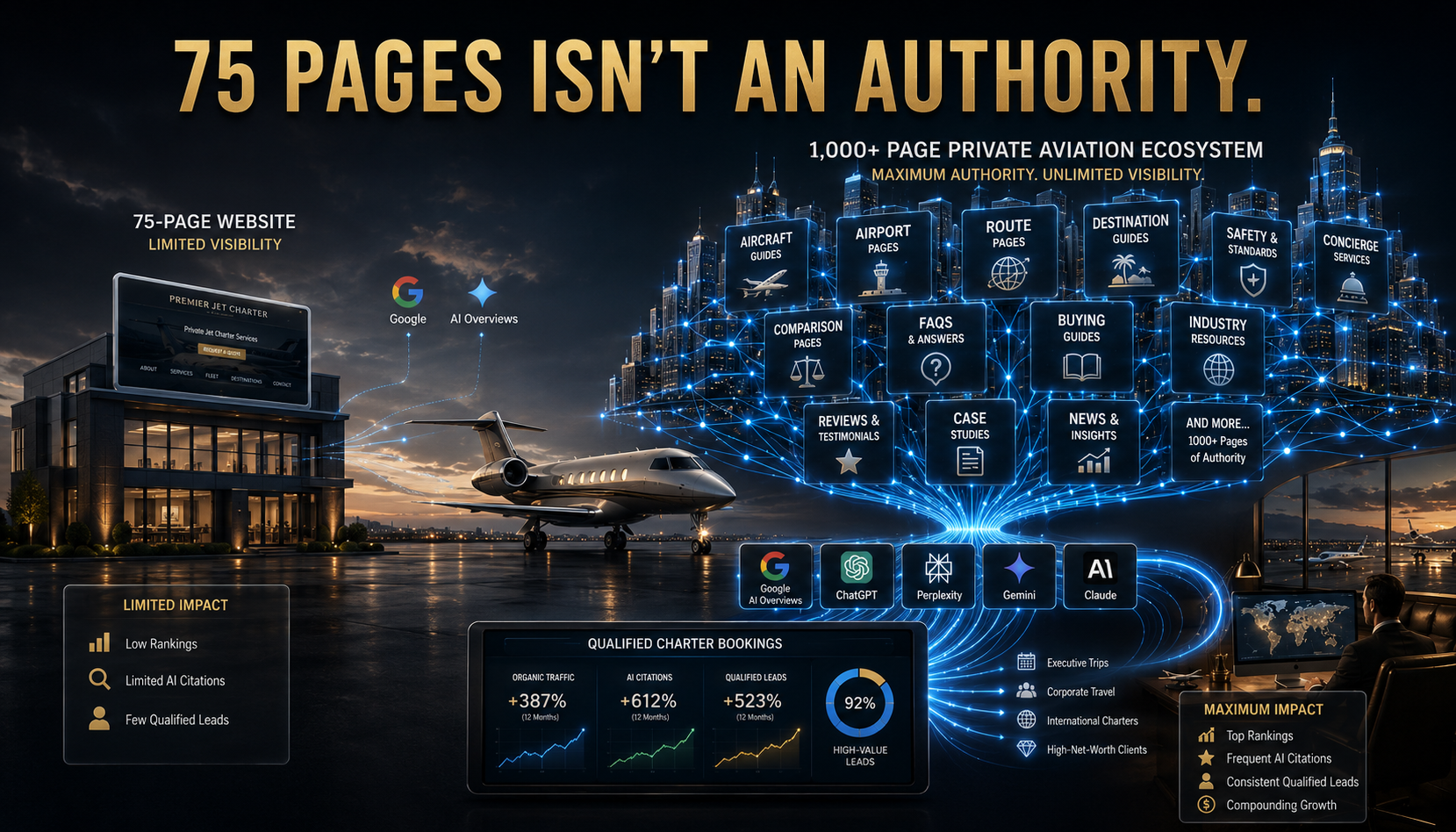
Why Your 75-Page Private Aviation Website Still Doesn’t Rank
Why Your 75-Page Private Aviation Website Still Doesn't Rank Many
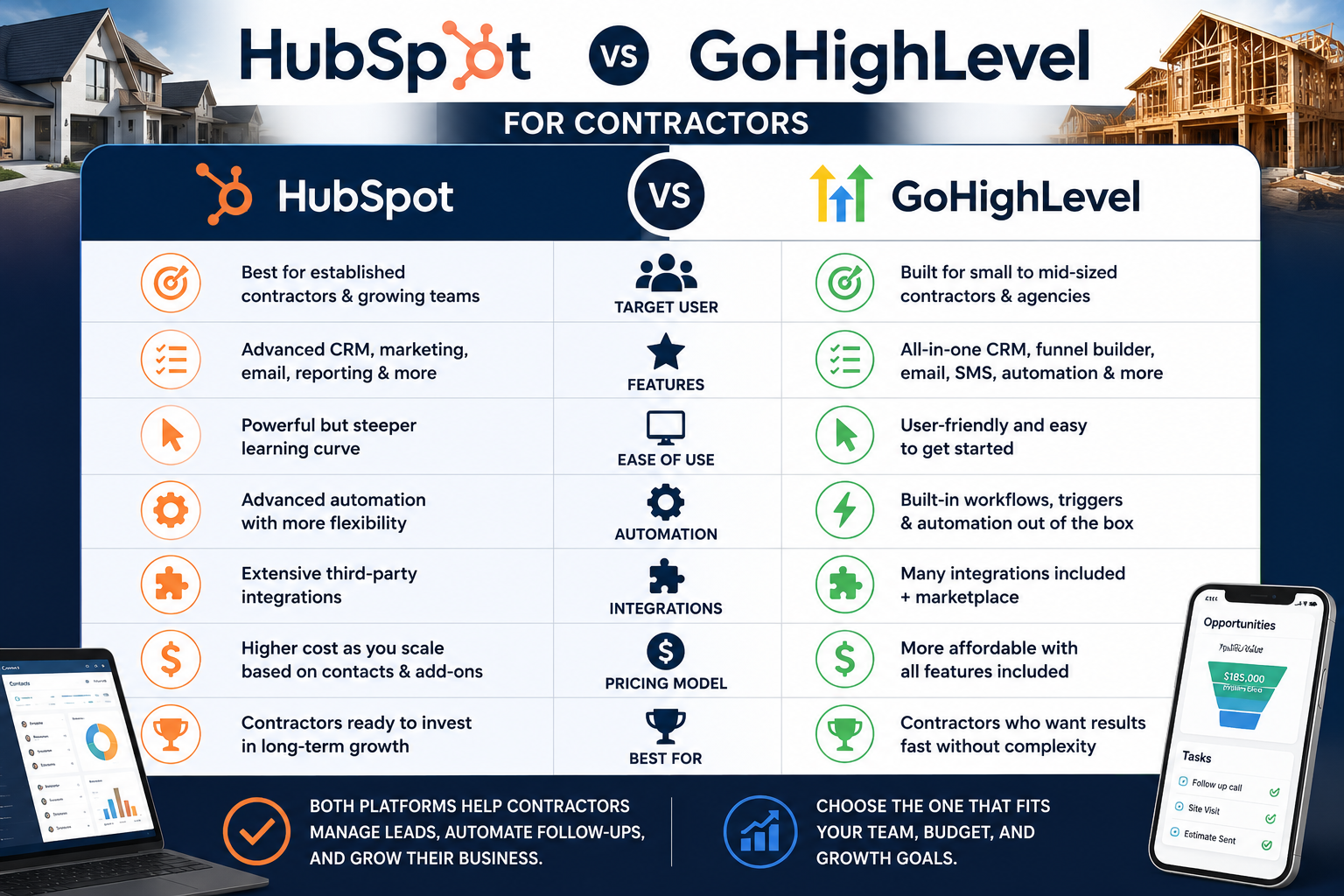
HubSpot vs. GoHighLevel for Contractors: Which CRM Is Better?
HubSpot vs. GoHighLevel for Contractors: Which CRM Is Better? Definition:
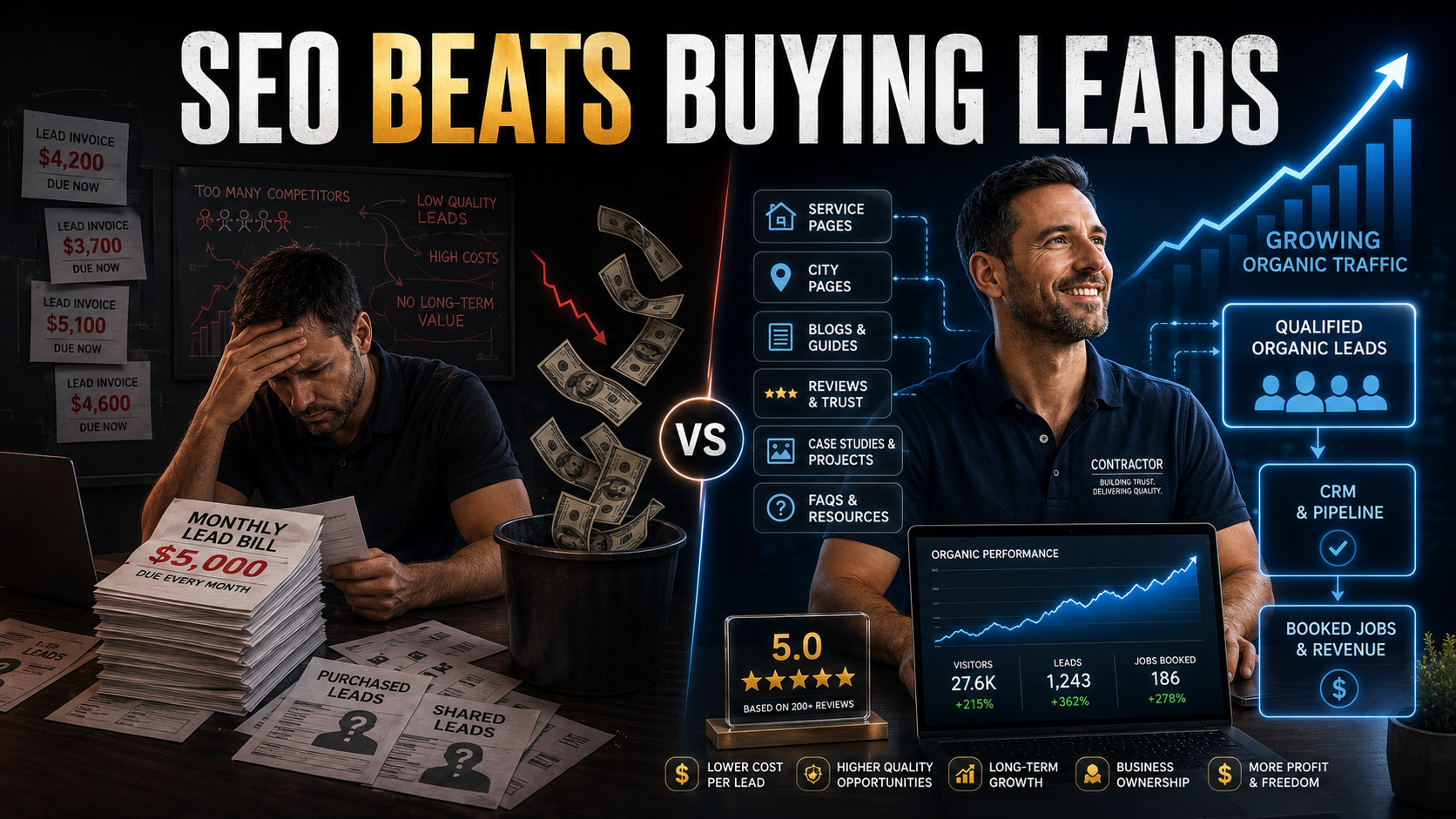
Why SEO Beats Buying Leads Every Month
Why SEO Beats Buying Leads Every Month Every contractor eventually
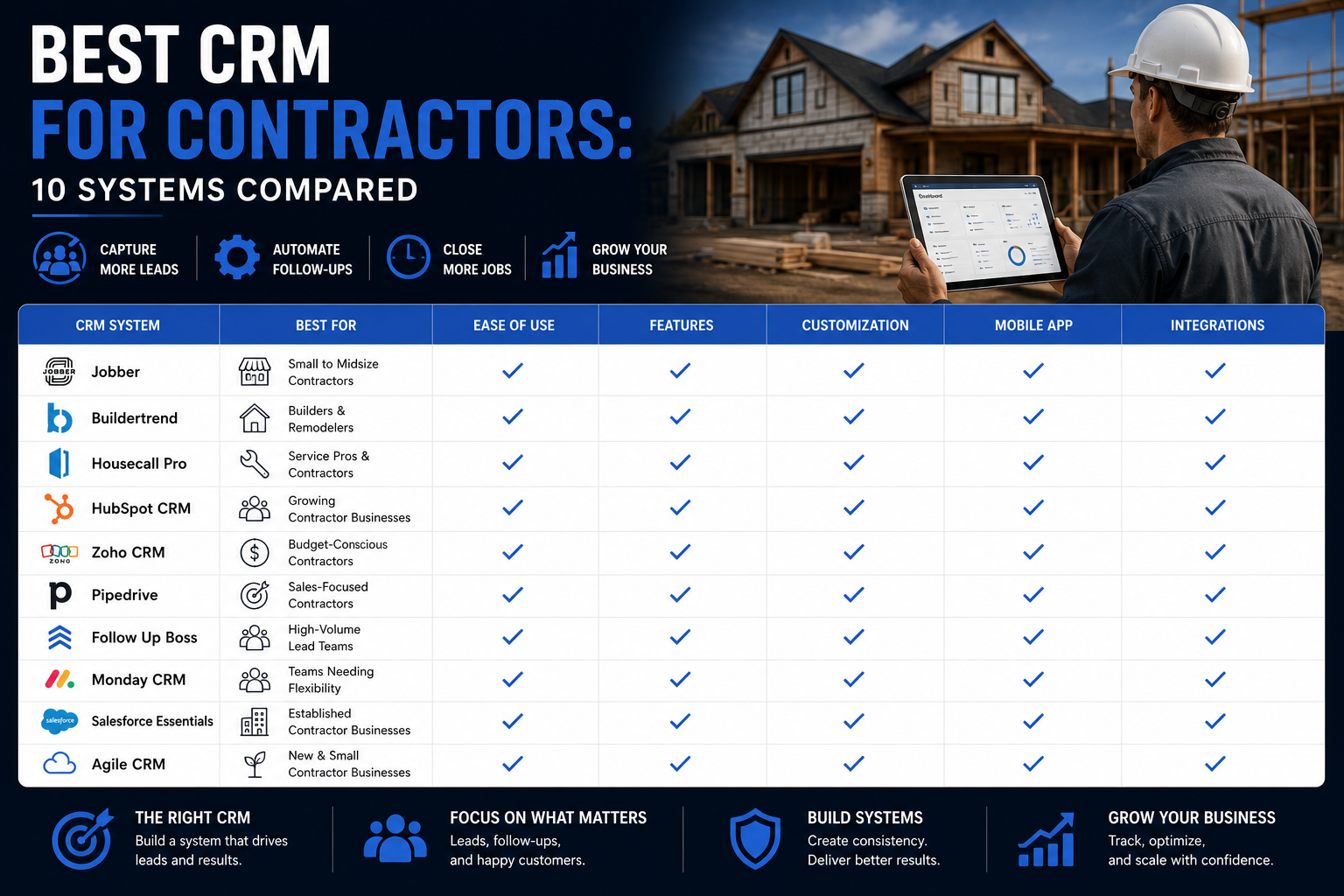
Best CRM for Contractors: 10 Systems Compared for 2026
Best CRM for Contractors: 10 Systems Compared for 2026 Definition:

How Private Jet Companies Can Reduce Cost Per Charter Booking
How Private Jet Companies Can Reduce Cost Per Charter Booking
What Lead Generation Resources Are
Direct Answer: Lead Generation Resources are strategic guides, articles, frameworks, FAQs, and service assets that help businesses attract qualified prospects and turn them into sales conversations. They explain how traffic sources, offers, landing pages, follow-up systems, and conversion strategy work together to create predictable pipeline growth.
These resources should not read like generic marketing advice. Instead, they should function like revenue playbooks. Therefore, each resource must explain one specific growth problem clearly. That problem may involve SEO leads, Google Ads leads, Meta leads, AI search visibility, landing page conversion, funnel strategy, lead nurturing, or appointment booking.
Furthermore, Lead Generation Resources must serve both strategy and execution. A business owner should understand what to fix first. Meanwhile, a marketing team should see how the pieces connect. Because of that, every resource should use direct answers, clean headings, useful lists, real examples, and strong internal links.
Why Lead Generation Resources Should Work Like Revenue Infrastructure
A weak lead generation resource says, “Get more leads online.” However, a strong resource explains how the offer, audience, traffic source, landing page, form, CRM, and follow-up process affect lead quality. Additionally, it shows why a business can generate many leads and still lose money when the system lacks qualification.
Because of that, the best Lead Generation Resources act like infrastructure. They create better buyer paths. They strengthen conversion logic. Additionally, they allow IMR to connect SEO, GEO, Google Ads, Meta Ads, landing pages, automation, and sales follow-up into one measurable growth system.
Why Lead Generation Resources Must Prioritize Quality Over Volume
Direct Answer: Lead Generation Resources must prioritize lead quality because more leads do not automatically create more revenue. A strong system attracts prospects with clear intent, filters poor-fit inquiries, improves sales efficiency, and helps teams focus on opportunities that can actually become profitable customers.
Many campaigns fail because they measure the wrong thing. Lead volume looks exciting. However, weak leads waste time, hurt close rates, and hide funnel problems. Therefore, businesses should judge lead generation by qualified opportunities, booked calls, show rates, close rates, and revenue.
This matters because every traffic source produces different lead behavior. SEO leads often carry intent. Google Ads leads can convert quickly when keyword targeting matches the offer. Meta leads can scale fast when the offer creates urgency. Meanwhile, AI search visibility can build trust before the first click. As a result, a strong system must match the traffic source to the buyer journey.
How Better Lead Quality Improves Sales Efficiency
Lead quality improves when the message filters the wrong people before they inquire. For example, a vague “free quote” offer may attract anyone. However, a clear strategy session, inspection, audit, or consultation can set stronger expectations. Therefore, the offer should create curiosity while also qualifying intent.
Strong lead quality signals include:
- Clear buyer pain or purchase intent.
- Accurate service-area or industry fit.
- Budget or urgency indicators.
- Specific problem details.
- Fast response behavior.
- Willingness to book a real conversation.
- Alignment with the company’s best customers.
Ultimately, lead quality creates leverage. When the sales team spends time with better prospects, close rates rise. Additionally, ad spend works harder because fewer dollars get wasted on poor-fit inquiries.
Offer Architecture for Lead Generation Resources
Direct Answer: Offer architecture is the process of shaping a lead magnet, consultation, audit, estimate, or strategy session so prospects feel a clear reason to respond. Strong Lead Generation Resources explain how pain, proof, urgency, risk reversal, and next steps turn attention into action.
Lead generation starts with the offer. Traffic does not matter if the offer feels weak. Therefore, businesses must build offers that speak to the buyer’s real problem. The offer must answer one question quickly: “Why should I act now?”
A strong offer does not need to sound gimmicky. Instead, it should create a clear bridge between the buyer’s pain and the company’s solution. For example, a roofing company may offer a storm damage inspection. A med spa may offer a consultation. A B2B company may offer a strategy audit. However, each offer must make the value clear before the user fills out the form.
Core Elements of a High-Converting Offer
High-converting offers use direct language. Additionally, they reduce friction. The buyer should know what they get, why it matters, and what happens next. Therefore, vague calls to action usually underperform more specific offers.
Strong offer architecture includes:
- A specific pain point the buyer already feels.
- A clear outcome the buyer wants.
- A low-friction next step.
- A reason to act now.
- A risk-free or low-risk entry point.
- Proof that the company can solve the problem.
- Simple language that avoids confusion.
Because of this, every lead generation page should connect the offer to the buyer’s stage of awareness. Cold audiences need a stronger reason to engage. Warm audiences may need proof. Search audiences may need speed and clarity. Therefore, offer architecture must match traffic intent.
Landing Page Conversion Strategy for Lead Generation Resources
Direct Answer: Landing page conversion strategy turns visitor attention into action by aligning the headline, offer, proof, form, trust signals, and CTA with the buyer’s intent. Strong lead generation pages reduce friction, answer objections, and make the next step feel obvious.
A landing page should not try to say everything. Instead, it should guide the visitor toward one action. Therefore, every section must support the conversion goal. If the page asks users to book a call, the content should explain why that call is worth taking. If the page asks users to request an estimate, the content should explain what happens after they submit.
Furthermore, landing pages must match the traffic source. A Google Ads landing page may need fast service relevance. A Meta Ads landing page may need more problem education. An SEO page may need deeper trust-building content. As a result, one generic landing page cannot carry every campaign.
What Strong Lead Generation Pages Must Include
Conversion improves when the page removes uncertainty. Therefore, the page should answer common objections before the user has to ask. This includes cost concerns, timing questions, trust issues, process confusion, and outcome expectations.
Strong landing page elements include:
- A headline tied to the buyer’s main problem.
- A direct answer summary near the top.
- A clear offer with low friction.
- Proof points or relevant experience.
- Short form fields when speed matters.
- FAQs that answer sales objections.
- CTA buttons that match the page intent.
- Fast load speed and mobile-friendly layout.
Because of that, Lead Generation Resources should teach conversion as a system, not a design trick. Better pages create better conversations. Better conversations create better revenue.
Paid and Organic Lead Generation Resources
Direct Answer: Paid and organic lead generation work best together because paid ads create fast demand while SEO, GEO, and content build long-term authority. Strong Lead Generation Resources show how both channels can support the same funnel instead of operating as disconnected campaigns.
Paid ads and organic search solve different problems. Paid ads help businesses test offers, audiences, hooks, and landing pages quickly. Meanwhile, organic content builds trust, authority, and compounding visibility. Therefore, companies should not choose one blindly. Instead, they should build a system where both channels improve each other.
For example, Meta Ads can generate fast lead flow when the offer is strong. Google Ads can capture high-intent search demand. SEO can build long-term discovery. GEO can help the brand appear in AI-generated answers. Additionally, retargeting can bring back visitors who did not convert the first time.
How to Connect Paid Ads, SEO, and GEO
The best lead generation systems share data across channels. If a Meta offer gets strong engagement, that offer can inform landing pages. If Google Ads reveal high-converting keywords, those keywords can inform SEO pages. If AI search questions keep appearing, those questions can become GEO resources.
Strong channel integration includes:
- Meta Ads for fast offer testing and demand creation.
- Google Ads for high-intent search capture.
- SEO pages for long-term organic visibility.
- GEO resources for AI citation and answer visibility.
- Email and SMS follow-up for nurturing.
- Retargeting ads for missed opportunities.
- CRM tracking for close-rate feedback.
As a result, every channel becomes smarter. The business no longer guesses. Instead, it uses campaign data to improve the whole lead generation system.
AI Search, GEO, and Lead Generation
Direct Answer: AI search and GEO improve lead generation by helping brands appear inside AI-generated answers before buyers choose who to contact. When content answers buyer questions clearly, uses schema correctly, and reinforces entity authority, AI engines can understand, summarize, and cite the brand more confidently.
Lead generation is no longer limited to search rankings and ads. Buyers now use AI tools to compare providers, understand services, evaluate pricing factors, and decide what questions to ask next. Therefore, businesses need content that performs inside answer engines, not just traditional search result pages.
Generative Engine Optimization helps with this shift. It focuses on direct answers, entity clarity, schema, topical depth, and citation-ready content. As a result, the brand becomes easier for AI systems to mention when users ask relevant questions.
Why AI Visibility Can Improve Lead Quality
AI visibility can improve lead quality because it builds trust earlier. If a prospect sees a brand cited in an AI answer, then later finds the same brand in search or ads, the company feels more familiar. Therefore, GEO supports conversion even when it does not create the first click.
Strong AI-ready lead generation content includes:
- Direct answers that address buyer questions.
- FAQ sections with specific, useful answers.
- HowTo sections that explain the process.
- Service pages that clarify commercial fit.
- Resource hubs that organize related topics.
- Schema that matches visible content.
- Author and business identity signals.
Because of that, Lead Generation Resources should include AI search strategy. Search behavior will continue changing. However, businesses that become trusted sources can still influence buyers before the first call.
Follow-Up Systems and Speed to Lead
Direct Answer: Follow-up systems turn leads into revenue by responding quickly, qualifying the prospect, booking the next step, and preventing missed opportunities. Lead generation fails when businesses create inquiries but respond slowly, follow up inconsistently, or lack a clear appointment-setting process.
A lead is not revenue. It is only an opportunity. Therefore, the follow-up process often decides whether the campaign succeeds. A business can run strong ads and publish strong content, yet still lose money if leads sit unanswered.
Speed matters because buyer intent fades quickly. When someone fills out a form, they may also contact competitors. Therefore, the company that responds first often controls the conversation. Additionally, the response must feel helpful, not pushy.
What a Strong Follow-Up System Includes
Follow-up should not depend on memory. Instead, businesses need a system that routes leads, confirms details, sends reminders, and keeps the prospect moving. This may involve CRM workflows, email, SMS, phone calls, AI booking agents, and calendar automation.
Strong follow-up systems include:
- Instant lead notification.
- Fast first response.
- Clear qualification questions.
- Appointment booking options.
- Reminder messages before the call.
- No-show recovery workflows.
- Sales feedback tracking.
- CRM pipeline reporting.
Ultimately, follow-up protects ad spend. It also protects SEO and GEO investment. When more leads become real conversations, every traffic source becomes more profitable.
How Lead Generation Resources Strengthen the Digital Fortress
Direct Answer: Lead Generation Resources strengthen the Digital Fortress by turning every guide, FAQ, article, service page, case study, and framework into a connected authority node. Each resource supports one buyer question or conversion problem while the hub organizes those assets into a system that compounds visibility and trust.
A single lead generation resource can help. However, a connected resource ecosystem compounds. Therefore, each resource page should act as a hub that organizes related content. Then, every related blog, guide, and service page should link back to the resource page. Additionally, the resource page should link to relevant hubs, services, and strategic guides.
This structure matters because search engines and AI engines evaluate topical relationships. If one website publishes scattered content with weak internal links, authority stays fragmented. However, if the website connects lead generation resources, service pages, industry hubs, and blogs, the topic becomes easier to understand.
Why the Hub Structure Matters for 1,000-Page Authority
For IMR, the Lead Generation Resources page should support the 1,000-page Digital Fortress architecture. It should connect broad lead generation education to tactical articles. Then, those tactical articles should connect to service pages, local pages, industry pages, GEO hubs, and case studies. Consequently, the website builds both breadth and depth.
This architecture also protects long-term growth. Paid ads can create fast demand. However, authority content builds a durable asset. Therefore, every blog, resource page, hub, and service page should work together instead of competing for attention.
Best Lead Generation Resources
Direct Answer: The best Lead Generation Resources help businesses improve offer strategy, landing page performance, SEO visibility, GEO authority, paid ad conversion, follow-up systems, and sales pipeline quality. Each resource should connect back to this hub so lead generation authority compounds across the website.
- Google Ads Management Services — This service page explains how paid search can capture high-intent demand and turn search traffic into qualified leads.
- Facebook Ads Management Services — This resource explains how Meta Ads can create demand, test offers, and drive lead generation at scale.
- SEO Services — This service page explains how organic search visibility can build long-term lead generation authority.
- Generative Engine Optimization Services — This page explains how AI citations and answer visibility can support trust before prospects convert.
- Multi-Offer Home Exterior Lead Generation Case Study — This case study shows how offer testing and Meta lead generation can create measurable demand.
- 7-Day Optimization Results — This follow-up resource shows how campaign optimization can improve performance after launch.
- Generative Engine Optimization & AI Search Hub — This hub explains how AI search visibility connects to authority, trust, and lead generation.
Common Lead Generation Mistakes
Direct Answer: The biggest lead generation mistake is treating leads as the goal instead of treating qualified sales opportunities as the goal. A campaign must connect the right audience, offer, landing page, tracking, follow-up, and sales process, or it will create noise instead of revenue.
Many businesses want more leads before they fix the system. However, more traffic often exposes more problems. If the offer is unclear, the page is weak, or the follow-up is slow, the campaign may scale waste instead of revenue.
- Measuring lead volume without tracking close rates.
- Using vague offers that attract poor-fit prospects.
- Sending paid traffic to generic website pages.
- Ignoring speed to lead after form submission.
- Failing to connect SEO, GEO, and paid media.
- Skipping CRM tracking and conversion measurement.
- Using one landing page for every audience.
Instead, each lead generation asset should serve one strategic purpose. It should answer one strong buyer question. Then, it should move the prospect toward the next logical step. Consequently, the business creates a pipeline system instead of a random collection of campaigns.
FAQ Authority Stack
What makes Lead Generation Resources valuable for businesses?
Lead Generation Resources become valuable when they explain how to attract qualified prospects, convert traffic, improve follow-up, and measure revenue outcomes. Strong resources help businesses avoid vanity metrics and focus on booked calls, sales opportunities, close rates, and profitable growth.
How should a company choose lead generation topics?
A company should choose topics based on buyer intent, sales objections, traffic sources, and conversion problems. Strong topics include offer strategy, landing pages, Google Ads, Meta Ads, SEO, GEO, follow-up systems, CRM tracking, and lead quality improvement.
Why does lead quality matter more than lead volume?
Lead quality matters more because low-quality leads waste sales time and hide campaign problems. Qualified leads have clearer intent, stronger fit, better urgency, and higher close potential. Therefore, a smaller number of strong leads can outperform a large number of poor-fit inquiries.
How do resource pages support the Digital Fortress strategy?
Resource pages support the Digital Fortress strategy by organizing related blogs, guides, FAQs, services, and case studies into one authority hub. Each related asset links back to the resource page, and the resource page links to relevant services and hubs. Therefore, authority compounds across the website.
Should lead generation rely more on paid ads or SEO?
Lead generation should use both when possible. Paid ads create fast demand and offer testing data, while SEO and GEO build long-term authority. The strongest system combines paid traffic, organic visibility, AI citations, strong landing pages, and fast follow-up.
Business Identity and Expert Signature
Anthony Paulino — COO
Infinite Media Resources
1896 Coventry Dr
Brunswick, OH 44212
Next Steps
Direct Answer: The next step is to turn lead generation content into a connected revenue system. Build the resource hub, link every related article back to it, connect the hub to verified service pages, and use direct answers, schema, proof, and follow-up strategy to support better lead quality.
Lead generation gets expensive when campaigns operate alone. Therefore, your content, ads, landing pages, tracking, and follow-up process must work together. If your company wants more qualified opportunities, your lead generation resource system must become a structured asset instead of a random publishing calendar.