The Psychology of the 0.1%: Understanding Luxury Consumer Behavior
Definition: Luxury consumer behavior studies how affluent buyers make premium purchasing decisions based on trust, identity, exclusivity, convenience, status, certainty, and emotional value.
Direct Answer: Wealthy consumers rarely buy luxury products because of price alone. Instead, they buy because the purchase supports identity, signals standards, reduces risk, saves time, or reinforces status. Therefore, brands that want elite buyers must understand psychology before they build campaigns.
Many marketers misunderstand affluent consumers. They assume wealthy buyers only care about expensive brands, flashy status, or visible prestige. However, that belief is incomplete. Some wealthy buyers want visible signals, while others prefer quiet excellence, privacy, and flawless service.
Because of that, creative strategy must go deeper than surface assumptions. It must understand what motivates different wealthy audiences. It must also understand how affluent people justify premium decisions internally and socially. As a result, better psychology often creates better marketing.
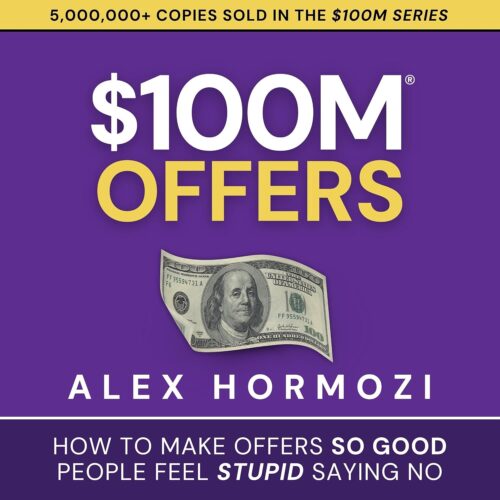
This is exactly why behavioral science matters. Strong luxury campaigns are not random. Instead, they are built on proven persuasion principles, buyer identity, trust architecture, scarcity logic, and premium positioning. That is also why books like Influence, The Millionaire Next Door, and Selling to the Affluent remain highly valuable.
When an agency says its creative strategy is data-driven, that is useful. However, when it is also behavior-driven, it becomes far more powerful. Therefore, brands targeting the top 0.1% should care deeply about psychology.
Key Takeaways
- Wealthy buyers do not all think the same way.
- Luxury purchases are emotional and rational at the same time.
- Trust and certainty often matter more than discounts.
- Status buyers and privacy buyers require different messaging.
- Behavioral science improves creative strategy and conversion.
- Premium brands win when they reduce friction and risk.
Why This Matters
If you market private aviation, luxury real estate, elite health services, yacht charters, premium home services, or high-ticket consulting, then buyer psychology matters as much as the offer itself. Of course, quality still matters. However, perception often determines who gets shortlisted first.
Affluent buyers usually have more options and more experience. Therefore, they often filter brands quickly. They notice weak branding. They notice desperate language. They notice generic promises. They also notice when a company lacks polish or confidence.
Because of that, luxury marketing must feel intentional. It must feel calm, premium, and credible. More importantly, it must match how elite buyers actually think.
Why the Wealthy Buy
1) Identity Reinforcement
Many premium purchases support identity. Buyers may want to feel successful, selective, cultured, disciplined, or ahead of the curve. Therefore, the purchase confirms self-image.
2) Time Efficiency
Affluent buyers often value time more than money. Because of that, convenience becomes a premium feature. White-glove service, priority access, and frictionless experiences often convert well.
3) Risk Reduction
Many wealthy consumers protect reputation, peace of mind, and downside risk. Therefore, they may gladly pay more for certainty, expertise, warranties, and proven execution.
4) Social Signaling
Some purchases are visible signals. Others are subtle signals. In both cases, buyers may communicate standards, taste, or belonging through what they choose.
5) Emotional Reward
Luxury often delivers emotional satisfaction. It can create pride, confidence, comfort, excitement, or relief. Therefore, strong luxury messaging should not focus only on features.
6) Rational Justification
Although emotion may drive interest, logic often closes the sale. Therefore, premium brands should support desire with evidence, guarantees, process clarity, or expert proof.
Different Types of Wealth
One of the biggest mistakes in premium marketing is assuming all wealthy people are flashy. They are not. In fact, many affluent buyers prefer understatement.
Visible Wealth
These buyers may enjoy brand symbolism, prestige cues, and recognition. Therefore, status-forward messaging may resonate more strongly.
Quiet Wealth
These buyers often value privacy, craftsmanship, quality, and discretion. Therefore, subtle authority and elegant restraint usually perform better.
New Wealth
Some newer wealth buyers may respond to progress, success signals, and premium upgrades.
Established Wealth
Established wealth often values heritage, trust, relationships, and consistency. Therefore, credibility matters even more.
This is why segmentation matters. When marketers treat all affluent buyers the same, campaigns often lose relevance.
Behavioral Science Behind Luxury Buying
Authority
People trust experts and respected institutions. Therefore, credentials, media features, legacy, and proof can increase confidence.
Scarcity
Limited access often increases perceived value. However, fake scarcity destroys trust. Therefore, scarcity must be authentic.
Social Proof
Affluent buyers still seek validation. However, they often prefer selective proof, private referrals, and peer credibility over mass popularity.
Consistency
People like decisions that align with identity. Therefore, messaging should reflect the standards buyers already believe they hold.
Loss Aversion
Many premium buyers want to avoid mistakes more than chase gains. Because of that, highlighting wasted time, poor quality, or wrong choices can be persuasive when used ethically.
How Psychology Improves Creative Strategy
This is where theory becomes profit. If an agency says its creative strategy is backed by behavioral science, that should mean the following:
1) Better Positioning
Instead of generic claims, the message highlights identity, certainty, and standards.
2) Better Offers
Instead of discounts, the offer may include concierge onboarding, private consultations, priority access, or premium guarantees.
3) Better Visual Direction
Luxury buyers notice cues instantly. Therefore, clean design, elegant spacing, refined imagery, and premium tone matter greatly.
4) Better Ad Copy
Instead of shouting features, copy speaks to confidence, trust, outcomes, privacy, or elite standards.
5) Better Sales Flow
High-end buyers rarely want pressure. Instead, they want confidence and clarity. Therefore, sales systems should remove friction and increase certainty.
That is why behavioral science can become a true competitive edge in luxury marketing.
Books That Explain Affluent Buyer Behavior
Influence: The Psychology of Persuasion
This book explains persuasion principles like authority, reciprocity, scarcity, and social proof. Therefore, it gives marketers a timeless framework for why people say yes.
Recommended Read: Influence by Robert Cialdini
The Millionaire Next Door
This book reminds marketers that many wealthy consumers are disciplined, selective, and understated. Therefore, flashy campaigns can miss serious money.
Recommended Read: The Millionaire Next Door
Selling to the Affluent
This book focuses directly on how affluent people buy, what they value, and how premium sales should be structured. Therefore, it is highly relevant for luxury service brands.
Common Luxury Marketing Mistakes
- Using mass-market language for premium audiences
- Overusing urgency that feels cheap
- Confusing price with prestige
- Ignoring quiet wealth buyers
- Weak visuals that lower trust
- No proof, process, or authority signals
- Talking features without emotional meaning
- Using pressure-based sales tactics
Frequently Asked Questions
Why do wealthy people buy luxury products?
They often buy for identity, trust, convenience, quality, certainty, status, and emotional reward.
Do rich people always want flashy brands?
No. Many wealthy buyers prefer privacy, discretion, and understated excellence.
Does psychology really help marketing?
Yes. It helps brands align messaging with real motives, which often improves conversion quality.
Why does trust matter so much in luxury sales?
Because affluent buyers often protect time, reputation, and downside risk as much as money.
What is the biggest mistake in luxury marketing?
Treating all affluent buyers the same and using generic messaging.
Final Verdict
The wealthy do not buy for one reason. Instead, they buy through a blend of identity, trust, convenience, symbolism, quality, and certainty. Therefore, luxury brands that understand psychology usually outperform brands that rely only on promotion.
This is why strong creative strategy should be backed by behavioral science. When campaigns reflect how affluent buyers actually think, they feel more premium, more credible, and more effective.
If you want to attract the top 0.1%, start by understanding why they buy in the first place.
About the author : Anthony Paulino