How Google Ads Auction Works
How Google Ads auction works decides if your ad shows, where it shows, and what you pay per click. Many business owners assume the biggest budget wins. However, Google rewards relevance and user experience just as much as money.
This guide explains how Google Ads auction works in plain language and gives you steps you can use today. Therefore, you can improve performance without blindly raising bids.
How Google Ads Auction Works at a Glance
How Google Ads auction works starts the second a person searches on Google. Google checks which ads qualify, scores them, and ranks them in milliseconds.
First, Google decides which ads are eligible. Next, Google calculates Ad Rank. Then, Google places ads and sets the price each advertiser pays. Consequently, every search triggers a fresh auction, even if the same person searches the same term again.
What Triggers a Google Ads Auction?
A Google Ads auction triggers every time a search query matches targeting rules inside your account. That match can happen through exact, phrase, broad match, and close-variant behavior.
Additionally, Google checks context signals before it runs the auction:
- Location targeting and presence settings
- Device type and network
- Time of day and day of week
- Language and audience signals
- Policy eligibility and account standing
As a result, your ads can perform differently across neighborhoods, devices, and times, even with the same keyword list.
How Google Ads Auction Works for Eligibility
How Google Ads auction works begins with eligibility, not ranking. If your ad fails eligibility checks, it never reaches the scoring stage.
So, confirm these basics before you chase performance:
- Your campaign targets the searcher’s location.
- Your budget has room to serve impressions.
- Your ad and landing page meet policy standards.
- Your keyword, audience, or product targeting matches the query context.
Therefore, many “my ads stopped” problems come from eligibility friction rather than bidding issues.
What Is Ad Rank and Why Does It Matter?
Ad Rank is the score Google uses to decide your ad position. Although bid matters, Ad Rank uses multiple inputs.
Google considers these factors when calculating Ad Rank:
- Your maximum bid (or your automated bid goal)
- Your Quality Score signals
- Expected impact of ad assets (extensions)
- Query context (device, location, intent)
- Ad Rank thresholds and competitiveness
Consequently, you can often outrank competitors with a smaller bid when your relevance stays stronger.
For Google’s official explanation, review How the Google Ads auction works.
How Google Ads Auction Works with Quality Score
How Google Ads auction works depends heavily on Quality Score signals. Google wants to show ads that help users, so Google evaluates expected usefulness.
Quality Score relies on three core pillars:
- Expected CTR: How likely people click your ad
- Ad relevance: How closely your ad matches the search
- Landing page experience: How helpful and clear your page feels
Therefore, when your Quality Score improves, your CPC often drops and your position often rises at the same time. For more detail, Google documents Quality Score concepts here: About Quality Score.
How Google Ads Auction Works for Cost Per Click
How Google Ads auction works for pricing surprises many advertisers. You do not automatically pay your max bid.
Instead, Google typically charges the minimum amount needed to maintain your position over the advertiser below you. In simple terms, your cost relates to competitive pressure plus your relevance.
Here is a practical way to think about it:
- When competitors push harder, prices rise.
- When your Quality Score rises, prices often fall.
- When your ad assets improve click behavior, performance often improves.
Consequently, a “bid-only” strategy usually wastes money because it ignores the levers that reduce cost.
How Google Ads Auction Works with Ad Assets
Ad assets (extensions) can improve your results because they increase usefulness. More useful ads win more attention, and that attention often improves expected CTR.
Common assets include:
- Sitelinks
- Callouts
- Structured snippets
- Call assets
- Location assets (when relevant)
Additionally, assets help the user choose faster. Therefore, they often improve both engagement and conversion quality.
How Google Ads Auction Works with Landing Page Experience
Landing page experience directly influences your ability to win auctions efficiently. If your page loads slowly, hides the offer, or confuses users, Google sees weaker usefulness signals.
Strong landing pages share these traits:
- Fast load speed and stable layout
- A headline that matches the ad promise
- Clear next step (call, form, booking, quote)
- Helpful proof (reviews, process, FAQs, guarantees)
- Simple navigation that supports the goal
As a result, improving the landing page often lowers CPC and raises conversion rate at the same time.
How Google Ads Auction Works Across Match Types
Match type changes which searches enter your auction pool. While the auction logic stays the same, the “who you compete for” changes.
Use this quick guidance:
- Exact match: Tight intent, cleaner data, slower volume
- Phrase match: Balanced reach, strong control
- Broad match: Large reach, needs strong negatives and smart bidding
Therefore, broad match can work well when you pair it with audience signals, conversion tracking, and aggressive negative keyword management.
How Google Ads Auction Works with Smart Bidding
Smart Bidding changes how your “bid” enters the auction. Instead of using one static number, Google adjusts bids for each query based on predicted conversion value.
Still, Smart Bidding does not remove your responsibility. Instead, it shifts your job toward inputs and constraints:
- Clean conversion tracking
- Clear campaign segmentation
- Correct goals (CPA, ROAS, Max Conversions)
- Strong creative and landing pages
Consequently, Smart Bidding fails when tracking is wrong or when campaigns blend too many intents together.
How to Win More Auctions Without Raising Spend
You can win more auctions by improving relevance and conversion signals. Therefore, start with changes that increase Quality Score and reduce waste.
- Segment by intent: Separate brand, non-brand, competitor, and high-intent service terms.
- Tighten ad groups: Keep keyword themes focused so ads match searches.
- Rewrite ad copy: Mirror the searcher’s problem and the exact offer.
- Add negatives weekly: Block research intent and job seekers quickly.
- Improve landing pages: Match message, remove friction, add proof.
- Use assets fully: Add sitelinks, callouts, and structured snippets.
Moreover, you should review Search Terms and Auction Insights regularly. That habit shows where competitors push and where you leak budget.
Common Myths About the Google Ads Auction
These myths cause overspending and poor decisions. Fortunately, you can fix them fast.
- Myth: The highest bidder always wins. Reality: Ad Rank decides placement.
- Myth: More keywords always helps. Reality: Better intent coverage helps.
- Myth: One landing page fits every ad. Reality: Message match drives Quality Score.
- Myth: PPC works alone. Reality: PPC works best inside a system.
Therefore, a disciplined structure beats a giant, messy account every time.
How Google Ads Auction Works Inside a Full Growth System
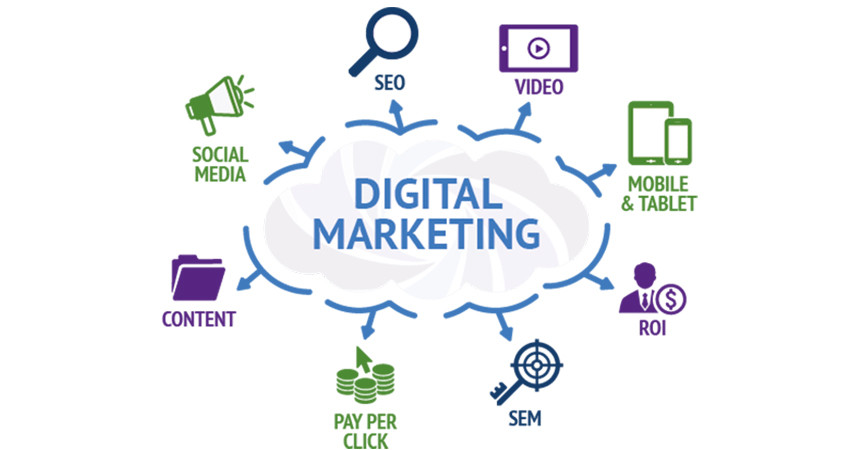
PPC performs best when SEO and GEO support it. PPC reveals what converts now. SEO builds authority that compounds. GEO structures knowledge so AI can cite it.
As an example, you can:
- Use PPC to test offers, pricing, and messaging quickly.
- Turn winning queries into SEO pages and supporting blog content.
- Structure those pages for AI citation using GEO best practices.
Consequently, your acquisition costs stabilize and your visibility grows across channels.
If you want help building that system, explore IMR’s services: PPC Management, SEO Services For Businesses, Generative Engine Optimization, and Full Service Digital Marketing.
FAQ: How Google Ads Auction Works
Does the highest bid always win?
No. Google ranks ads using Ad Rank, which includes bid, relevance, and expected performance signals.
Do I pay my full max CPC?
No. Google typically charges the minimum needed to maintain your position over the competitor below you.
What improves Ad Rank fastest?
Better relevance and landing page experience usually move the needle quickly. Additionally, strong ad assets often improve engagement signals.
How often should I optimize?
Weekly optimization wins in competitive markets. However, you should avoid daily overreaction unless spend is very high.
About the author : Anthony Paulino