What Is the Difference Between SEO and GEO?
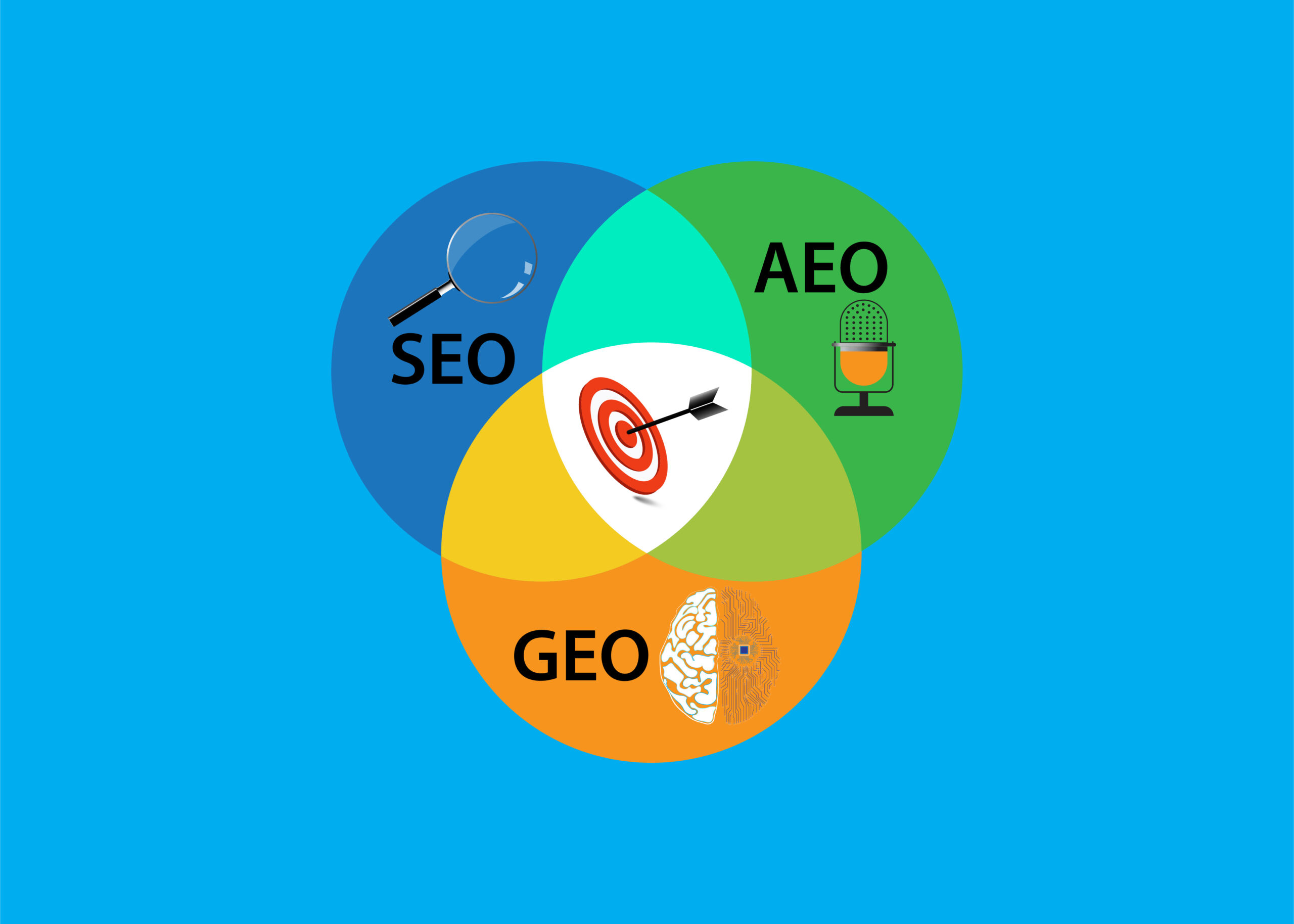
The difference between SEO and GEO comes down to how search results get delivered. Traditional SEO optimizes for rankings and clicks, while Generative Engine Optimization (GEO) optimizes for visibility and citation inside AI-generated answers.
Because search now includes Google AI Overviews, conversational tools, and summary-based results, businesses must understand how these two strategies work together. Therefore, this guide explains both approaches in plain language and shows when each one matters most.
What is SEO in today’s digital marketing landscape?
SEO, or Search Engine Optimization, focuses on ranking web pages in traditional search results. The goal involves earning visibility on search engine results pages so users click through to your site.
SEO relies on several long-standing pillars:
- Keyword research and intent matching
- On-page optimization
- Technical performance
- Backlinks and authority signals
- User experience and engagement
As a result, SEO remains essential for long-term organic traffic and discoverability.
What is Generative Engine Optimization (GEO)?
Generative Engine Optimization focuses on making content understandable, trustworthy, and citable by AI systems. Instead of competing only for rankings, GEO competes for inclusion inside AI-generated answers.
AI-driven systems summarize information rather than listing ten blue links. Consequently, GEO prioritizes clarity, structure, and authority so AI engines can confidently reference your content.
This shift reflects how platforms like Google AI Overviews and conversational assistants operate, as outlined in Google’s AI Overviews documentation.
The core difference between SEO and GEO
The core difference between SEO and GEO lies in the output. SEO aims for rankings and clicks, while GEO aims for answers and citations.
| SEO | GEO |
|---|---|
| Ranks pages in search results | Positions content inside AI-generated answers |
| Optimizes keywords and backlinks | Optimizes entities, structure, and trust |
| Measures traffic and clicks | Measures visibility and citation influence |
| Competes page vs page | Competes source vs source |
Because both systems now coexist, businesses need both strategies working together.
How SEO and GEO approach content differently
SEO and GEO approach content creation with different priorities. SEO often focuses on keywords and topical coverage. GEO emphasizes direct answers and structure.
For example:
- SEO pages often target a keyword cluster.
- GEO pages often answer a specific question clearly.
- SEO measures success through rankings.
- GEO measures success through inclusion.
Therefore, content designed for AI summaries must communicate meaning quickly and clearly.
Why schema markup matters more for GEO
Schema markup plays a much larger role in GEO than in traditional SEO. While schema helps SEO with rich results, it helps GEO with understanding and trust.
Structured data allows AI systems to:
- Identify the publisher and author
- Confirm page purpose
- Extract answers accurately
- Verify relationships between entities
Schema.org provides the vocabulary for this structure, while Google supports JSON-LD as the preferred format, as described in Schema.org documentation.
How user behavior drives the need for GEO
User behavior increasingly favors instant answers. Many searches now end without a click.
Because AI Overviews often resolve questions directly on the results page, businesses relying only on clicks risk losing visibility. Consequently, GEO exists to ensure your brand still appears during the discovery phase.
SEO still matters for deeper research and transactional queries. However, GEO captures attention earlier in the decision process.
SEO vs GEO for local and service-based businesses
Local and service businesses benefit from both strategies. SEO helps rank service pages and location pages. GEO helps AI systems recommend providers.
For example, AI engines often answer queries like:
- “Who offers the best roofing service near me?”
- “Which digital marketing agency specializes in AI search?”
In these cases, structured, authoritative content improves the likelihood of recommendation. Therefore, GEO supports local visibility when combined with SEO fundamentals.
How SEO, GEO, and PPC work together
SEO, GEO, and PPC perform best as a system. Each channel supports a different stage of discovery.
- PPC captures immediate demand.
- SEO builds long-term organic presence.
- GEO secures AI-driven visibility.
Many businesses implement this system through SEO Services For Businesses, PPC Management, and Generative Engine Optimization.
When should a business focus on GEO?
Businesses should focus on GEO when AI-driven discovery influences buying decisions. This includes competitive, expertise-driven markets.
Common indicators include:
- High competition for traditional rankings
- Complex or trust-based services
- Users asking conversational questions
- Decreasing click-through rates
In these cases, GEO strengthens brand authority even when traffic patterns change.
Does GEO replace SEO?
No. GEO does not replace SEO. Instead, GEO expands visibility into AI-driven environments.
SEO still powers rankings, long-form research, and transactional journeys. GEO ensures your expertise appears when AI summarizes answers. Consequently, businesses that combine both strategies stay visible across all discovery paths.
Key takeaways: difference between SEO and GEO
The difference between SEO and GEO reflects how search is evolving. Rankings still matter, but answers now matter just as much.
- SEO optimizes for rankings and clicks.
- GEO optimizes for AI understanding and citation.
- Schema and structure matter more for GEO.
- Both strategies work best together.
Businesses that adapt early gain a durable advantage.
About the author : Anthony Paulino