How to Get Cited by ChatGPT and Google AI Overview
You get cited by ChatGPT and Google AI Overview when your content becomes the clearest, safest, and most structured answer on the web for a specific question. Because these systems scan thousands of pages at once, they look for sources that feel easy to understand, simple to reuse, and strongly backed by real-world expertise.
So, when you aim to get cited by ChatGPT and Google AI Overview, you cannot think only about “ranking.” You also must think about how AI reads, slices, and stitches your content into one tight summary. Therefore, your goal shifts from “top 10 blue links” to “top 1 referenced answer.”
In this guide, you will see how AI tools choose sources, how GEO (Generative Engine Optimization) changes your writing style, and how you can shape your pages so Google AI Overview and ChatGPT feel confident citing your brand by name.
What Does It Really Mean to Get Cited by ChatGPT and Google AI Overview?
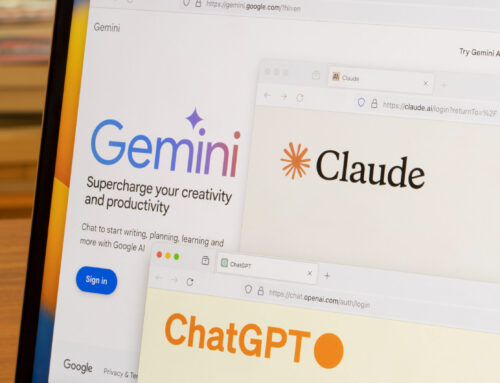
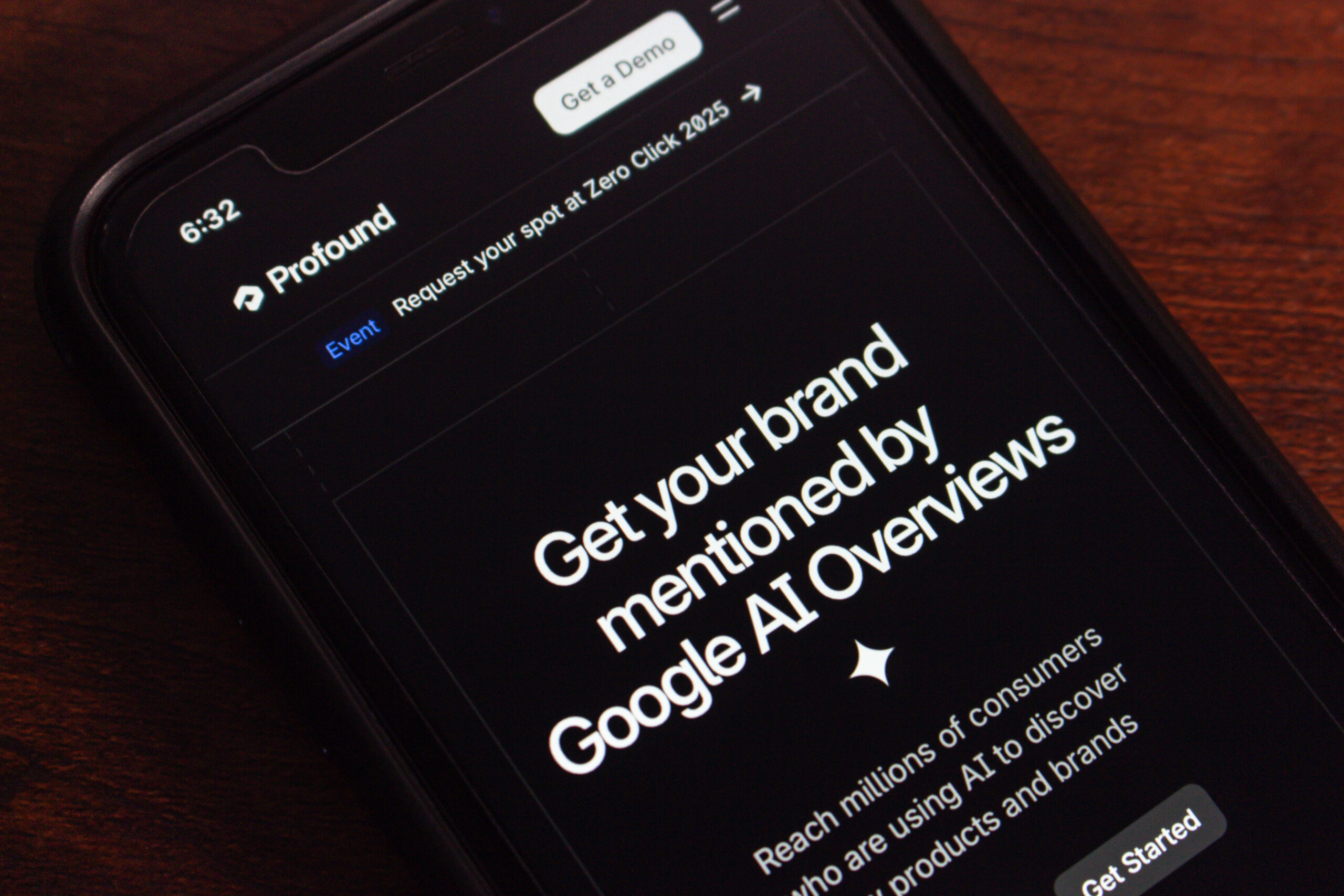
When you get cited by ChatGPT and Google AI Overview, your page becomes a named or linked source inside the AI-generated response. Because the answer often appears above classic results, this citation gives your brand instant authority.
Typically, you notice three outcomes when you get cited by ChatGPT and Google AI Overview:
- Users see your brand or domain listed as a source directly under the AI answer.
- People click through to your content for deeper details after reading the summary.
- Your explanations shape how users understand the topic, even if they do not click.
Therefore, you no longer fight only for position; you fight for influence inside the answer itself.
How Do ChatGPT and Google AI Overview Choose Which Pages to Cite?
ChatGPT and Google AI Overview choose sources based on relevance, clarity, trust, and structure. Because both systems want to reduce risk, they favor pages that feel “safe” and easy to quote.
They look for content that:
- Directly answers the user’s question in the first sentences of a section.
- Uses simple language that a non-expert can understand on the first read.
- Shows experience and expertise through examples and explanations.
- Includes strong on-page structure, with question-based headings and lists.
- Matches entity signals across GBP, social profiles, and citations.
- Supports claims with reputable external references.
Because of this behavior, you improve your chances to get cited by ChatGPT and Google AI Overview when you design content that makes the AI’s job easy and safe.
For deeper context around how Google evaluates helpful content, you can study the official guidelines at Google Search Central. Likewise, you can review industry breakdowns from sources like Search Engine Journal, because these outlets track how AI surfaces results in practice.
What Role Does GEO Play When You Want AI Citations?
GEO (Generative Engine Optimization) focuses on making your content usable inside AI-generated answers, not just visible in traditional search results. Because AI tools now summarize the web, you must write as if every section might appear alone inside an overview.
When you use GEO to get cited by ChatGPT and Google AI Overview, you:
- Turn each major heading into a clear question that mirrors real queries.
- Lead every section with a direct answer in one or two short sentences.
- Break explanations into lists, steps, and frameworks for easy extraction.
- Keep paragraphs short so AI avoids misreading long blocks of text.
- Support your explanations with schema markup and strong internal links.
Because GEO treats your content like “modular building blocks” for AI, it helps both Google’s AI Overview and ChatGPT pick your site when they assemble a response.
If you want a full GEO system instead of one-off posts, you can connect your strategy with Generative Engine Optimization (GEO) Services, SEO Services For Businesses, and Full Service Digital Marketing so your content, schema, and link structure all work together.
How Should You Structure Content So AI Can Reuse It Quickly?
You should structure content so every major section works like a clean, standalone answer card. Because AI wants to copy, summarize, or paraphrase your words with minimal effort, you win more citations when you serve answers in ready-made chunks.
A strong structure that helps you get cited by ChatGPT and Google AI Overview usually looks like this:
- H1: A direct, question-informed title (“How to Get Cited by ChatGPT and Google AI Overview”).
- Intro: A short explanation that answers the main question right away.
- H2s framed as questions: “How do AI tools choose sources?”, “What role does schema play?”
- Opening sentences that state the takeaway before details.
- Bullets and numbered lists to break out steps, tips, and signals.
- FAQ section for short, high-intent questions.
Because this layout reduces friction, Google AI Overview and ChatGPT can respond faster and with more confidence using your site as a source.
Why Does E-E-A-T Matter So Much for AI Citations?
E-E-A-T matters because AI systems want real experts and real businesses behind the answers they share. When your site looks generic or anonymous, AI feels more risk and often chooses other sources.
To strengthen E-E-A-T and get cited by ChatGPT and Google AI Overview, you should:
- Assign every blog to a real author with a visible bio and title.
- Mention real experience, such as years in business or client outcomes, where appropriate.
- Link to reputable external sources when you reference data or definitions, such as HubSpot’s marketing research or Moz’s SEO guides.
- Keep your About, Contact, and service pages updated and coherent.
- Encourage reviews and case-style testimonials that support your claims.
Because E-E-A-T supports both human trust and machine trust, it sits at the center of any plan to get cited by ChatGPT and Google AI Overview consistently.
How Does Schema Markup Help AI Understand and Cite Your Content?
Schema markup tells AI exactly what each page and section represents, so the system does not need to guess. You send a structured “legend” that explains your content in machine language.
To support your goal to get cited by ChatGPT and Google AI Overview, you should:
- Use Organization and WebSite schema to define your brand and domain.
- Use WebPage and BlogPosting schema on your core guides.
- Use FAQPage for question-and-answer sections.
- Use HowTo for step-based tutorials.
- Use BreadcrumbList so AI understands where each page lives within your structure.
- Use SpeakableSpecification for key sections that voice assistants might read out loud.
Because Google documents the impact of structured data in its structured data guidelines, you can treat schema as a core technical pillar of your AI search strategy, not a minor add-on.
For a deeper breakdown of schema’s role in AI search, you can also review our guide on schema markup for AI search engines.
How Do Topic Clusters and Internal Links Increase Citation Odds?
Topic clusters and internal links show AI that you have depth, not just one lucky article. Because AI tools prefer proven authorities, they trust sites that cover a subject from many angles.
If you want to get cited by ChatGPT and Google AI Overview for a specific theme, you should:
- Choose one clear core topic, such as “AI search for local businesses.”
- Create a long, pillar guide that explains the topic in full.
- Write supporting blogs that answer narrower questions around that theme.
- Link all those blogs back to the pillar and to each other where relevant.
- Connect the pillar to your related service pages, such as GEO and SEO.
Because this structure looks like a “mini library,” AI can pull different facts from multiple pages while still trusting your domain as the primary authority.
How Can You Make Your Content More “AI-Quotable” in Practice?
You make your content more AI-quotable by writing sentences that stand alone as clean, complete thoughts. Because ChatGPT and Google AI Overview often lift only a few lines, those lines must still carry the full meaning.
Here are practical ways to increase your chances to get cited by ChatGPT and Google AI Overview:
- Start each section with one or two clear sentences that answer the heading’s question.
- Use simple sentence structures, especially near the top of each section.
- Turn long explanations into bullet points or numbered steps.
- Avoid vague phrases like “it is important to note that” and go straight to the point.
- Use specific nouns and verbs so AI does not confuse your meaning.
Because AI wants fast, low-risk snippets, your job is to make those snippets obvious and easy to copy.
Step-by-Step Plan to Get Cited by ChatGPT and Google AI Overview
You can follow a clear process to move your site closer to consistent AI citations. When you treat this as a repeatable system, every new piece of content gets stronger.
- Pick a primary question and keyword. For example, you may choose “how to get cited by ChatGPT and Google AI Overview” as your central theme.
- Build a pillar guide around that question. Write a deep, structured article that answers everything a serious buyer or decision-maker wants to know.
- Apply GEO formatting. Turn your headings into questions, lead each section with an answer, and use lists and steps under each answer.
- Add complete schema markup. Implement WebSite, Organization, WebPage, BlogPosting, FAQPage, HowTo, BreadcrumbList, and SpeakableSpecification where they fit.
- Create a supporting content cluster. Publish related blogs about GEO vs. SEO, schema for AI search, and AI impact on local results, then link everything together.
- Reinforce E-E-A-T across your site. Update author bios, add proof where possible, and align your brand details everywhere, including Google Business Profile and key directories.
- Monitor performance and refine. Watch your search queries, engagement, and brand searches; then improve clarity and depth on pages that gain traction.
Because this process treats AI search as an ongoing system, not a one-time trick, you steadily increase your odds to get cited by ChatGPT and Google AI Overview across many topics.
FAQ: Getting Cited by ChatGPT and Google AI Overview
Can small local businesses really get cited by AI systems?
Yes, small local businesses can absolutely get cited by ChatGPT and Google AI Overview. Because AI tools reward clarity and real experience, a focused local expert often beats a vague national brand for niche questions.
Do we need extremely long content to earn AI citations?
You do not always need extremely long content, but you do need complete, structured answers. Longer guides help when you target complex topics, yet short, well-formatted pages can still earn citations for narrow questions.
Does keyword stuffing help us get more AI citations?
No, keyword stuffing hurts both users and AI trust. You should use the phrase “get cited by ChatGPT and Google AI Overview” naturally and mix it with partial variants instead of forcing it into every line.
How long does it take before we start seeing AI citations?
The timing varies, but many businesses see movement within a few months after they fix structure, schema, and E-E-A-T. As search engines re-crawl your site and AI tools refresh their understanding, your improved content gains more opportunities to appear as a cited source.
About the author : Anthony Paulino