
The CEO’s Guide to Generative Engine Optimization (GEO): How to Make Your Content AI-Ready
This CEO-focused guide to generative engine optimization shows how AI changes search and explains why your content must be ready for AI Overviews, answer engines, and tools like ChatGPT. Executives now lead companies through the biggest shift in search behavior since mobile. Yet many still treat GEO as an optional add-on instead of a core strategy. Because buyers search in natural language, you must create content that AI systems can trust, understand, and quote.
Leaders who adapt early gain a major advantage. Others eventually lose visibility even if they ranked well before. Although classic SEO still matters, GEO adds a new layer that protects your brand in an AI-driven landscape. When you embrace this change, you set your company up for stronger authority, higher conversions, and faster trust inside AI-generated answers.
What Is Generative Engine Optimization (GEO) in Practical Terms?
GEO means structuring your website content so AI systems can easily cite it inside summaries, answer boxes, and conversational responses. Traditional SEO helps you rank in a list of links. However, AI search often produces a single distilled answer. Since that answer may shape a buyer’s entire decision, you want your brand present inside it.
This guide to generative engine optimization simplifies the idea into three layers:
- Answer Layer: Clear, direct responses to real buyer questions.
- Structure Layer: Organized pages with headings, lists, tables, and logical sections.
- Data Layer: Schema markup, clean metadata, and consistent business information.
These layers build trust with both users and AI systems. Furthermore, they help your company appear inside AI Overviews even if your competitors push more content volume.
Leaders who want to understand current search fundamentals can review the official Google SEO Starter Guide. After that, GEO becomes the strategic layer you add on top.
How Does GEO Differ from SEO and PPC?
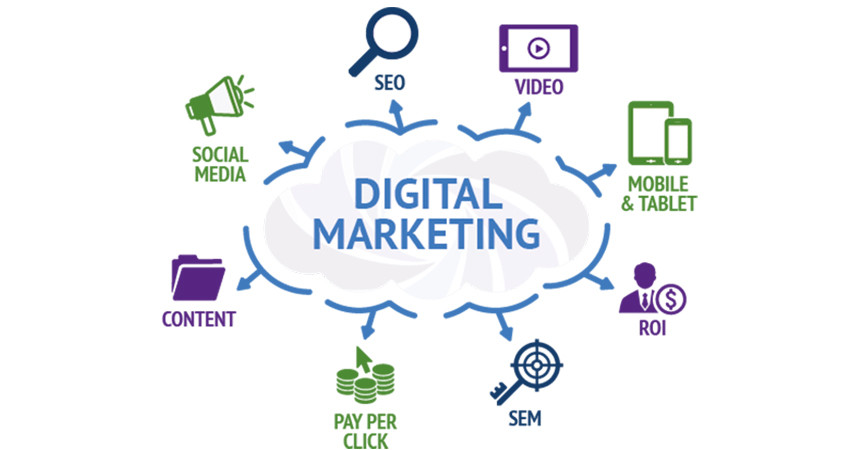
GEO influences how AI models select and cite your content, while SEO improves organic rankings and PPC drives paid clicks. Because each channel behaves differently, you want a unified strategy that makes them work together rather than compete for attention.
This guide to generative engine optimization highlights the differences clearly:
- PPC: Delivers speed and testing opportunities through paid ads.
- SEO: Builds long-term authority through optimized organic content.
- GEO: Helps AI systems quote your content in answer-driven search.
Executives often think in quarters. Still, GEO rewards companies that think across multiple quarters. Leaders who learn how PPC informs SEO and how SEO fuels GEO create a compounding ecosystem that no competitor can easily copy.
Businesses that want cross-channel support can explore Full Service Digital Marketing or dive into specialized help like PPC Management and SEO Services For Businesses.
Why Must CEOs Prioritize AI-Ready Content Right Now?
Your content must be AI-ready because search behavior now blends search engines, chat interfaces, voice tools, and conversational assistants. Consumers expect fast, confident answers. Moreover, AI systems respond best to content structured like a helpful explanation, not a traditional blog rant.
Executives who delay GEO risk three major losses:
- Your competitors may appear in AI results even if they never outranked you before.
- Your brand may disappear from high-intent queries where buyers expect guidance.
Companies that embrace this guide to generative engine optimization protect themselves. Additionally, they make it easier for AI tools to rely on their content as a trusted source. Leaders familiar with industry trends can explore McKinsey research on AI transformation to reinforce the urgency.
What Makes Content AI-Ready from an Executive View?
AI-ready content answers questions directly, uses simple formatting, and provides structured signals that AI can understand without confusion. Executives do not need technical skills. Instead, they set expectations for quality and clarity.
The guide to generative engine optimization identifies four traits of AI-ready content:
- Answer-first writing: Each section begins with a clear standalone answer.
- Smooth structure: Headings, lists, and steps organize information cleanly.
- Schema markup: Structured data translates meaning into machine-readable signals.
- Consistent entities: Business details match across every platform.
Executives who hold teams to these standards see stronger performance in both AI and traditional search. Teams also create assets that support sales, customer education, and retention simultaneously.
How Should CEOs Use This Guide to Generative Engine Optimization?
CEOs should use this guide as a leadership framework that sets clear direction while empowering teams to execute. Executives guide vision and alignment, not technical tasks.
This framework encourages three leadership actions:
- Set strategic focus: You define why GEO matters for revenue and retention.
- Fund execution: You provide resources for content, schema, and site improvements.
- Clarify expectations: You ask for consistent reporting and predictable progress.
Successful leaders remove friction. When you communicate clearly, your teams stop debating tactics and start working toward shared GEO outcomes.
What Are the Core Components of a GEO Strategy?
A strong GEO strategy blends clear messaging, direct answers, structured data, and consistent branding. Executives appreciate simplicity, so this guide to generative engine optimization focuses on five components:
- Buyer questions: You target real questions prospects ask every week.
- Answer-first sections: You structure content with clarity and intention.
- Schema markup: You describe content in a format AI understands.
- Entity uniformity: You make sure your business details match everywhere.
- Smart internal linking: You direct AI and users toward core service pages.
Companies that follow these components create an AI-ready ecosystem that feels simple for buyers and search engines alike.
How Should You Choose Topics for GEO Content?
You choose GEO content topics by focusing on the questions that lead directly to sales. Executives appreciate speed, so this guide to generative engine optimization provides a simple selection flow:
- Identify your premium services and highest-value offers.
- Collect real customer questions from sales calls and support messages.
- Turn each question into a heading and answer it clearly.
- Create clusters around services rather than random keyword lists.
Companies that follow this process generate content that aligns with revenue goals, not vanity metrics. Teams also avoid wasting time producing pages that never influence pipeline.
How Does Schema Markup Strengthen GEO?
Schema markup strengthens GEO because it creates a shared language between your content and AI systems. Search engines rely on that language to understand who you are and how your information fits inside an answer.
Executives do not need to write schema manually. Instead, they ensure four key coverage areas:
- Organization schema for company identity.
- LocalBusiness schema for location-based service providers.
- Service schema for core offerings.
- FAQPage schema for question-driven content clusters.
Leaders can review official guidance in Google’s schema documentation. After reviewing the basics, companies can work with partners like Infinite Media Resources GEO to implement advanced structures.
What Is the CEO Roadmap for a GEO Program?
This guide to generative engine optimization gives CEOs a step-by-step roadmap that turns strategy into action. Executives can follow these phases:
- Assess visibility: You test how your brand appears in AI Overviews and chat tools.
- Audit content: You identify gaps in answers, clarity, and structure.
- Prioritize pages: You select high-value services and questions.
- Create AI-ready assets: You rewrite or produce answer-driven content.
- Add schema: You apply structured data across important pages.
- Connect pages: You build internal links that guide AI and users.
- Measure results: You track citations, conversions, and assisted revenue.
CEOs who follow this roadmap see compounding long-term gains. Their teams move faster because everyone understands the mission.
How Should Executives Measure GEO Success?
You measure GEO success by tracking clear signals that connect to search visibility and revenue impact. Executives require simple dashboards, not complex spreadsheets.
Key GEO metrics include:
- AI Overview appearance and citation frequency.
- Organic performance of GEO-aligned pages.
- Conversion rates influenced by GEO content.
- Engagement levels on answer-driven content.
Leaders who monitor these signals gain clarity around which GEO actions produce real business outcomes.
How Can Infinite Media Resources Support Your GEO Program?
Infinite Media Resources helps CEOs turn this guide to generative engine optimization into a practical program that drives visibility and revenue. Executives rely on us to simplify complexity and ship AI-ready content at scale.
Our team supports CEOs through three critical strengths:
- Strategic alignment: We connect GEO to revenue, not vanity metrics.
- Content execution: We produce answer-driven assets built for AI visibility.
- Technical integration: We apply schema and structure across your entire website.
Companies that partner with IMR create a long-term advantage in AI search, organic visibility, and customer trust. Leaders who want to build a GEO-driven future can explore GEO services or request a broader strategic approach through Full Service Digital Marketing.
About the author : Anthony Paulino