Generative Engine Optimization Resources
Generative Engine Optimization Resources give business owners, marketing leaders, and high-ticket service brands a focused place to learn how AI search visibility actually works. Instead of chasing rankings alone, these resources show how brands become trusted sources inside Google AI Overviews, ChatGPT, Gemini, Perplexity, and other answer engines.
Start with the featured resource carousel below. Each resource gives you a practical way to improve AI citations, entity clarity, answer extraction, schema signals, internal authority, and conversion-ready visibility. Then, continue into the deeper framework below to understand how Generative Engine Optimization Resources support a stronger Digital Fortress system.
Direct Answer: Generative Engine Optimization Resources help brands structure content, schema, entities, internal links, and expert answers so AI engines can understand, trust, summarize, and cite them. The strongest GEO resources do not chase traffic alone; they build AI-citable authority that turns brand expertise into visibility inside answer engines.
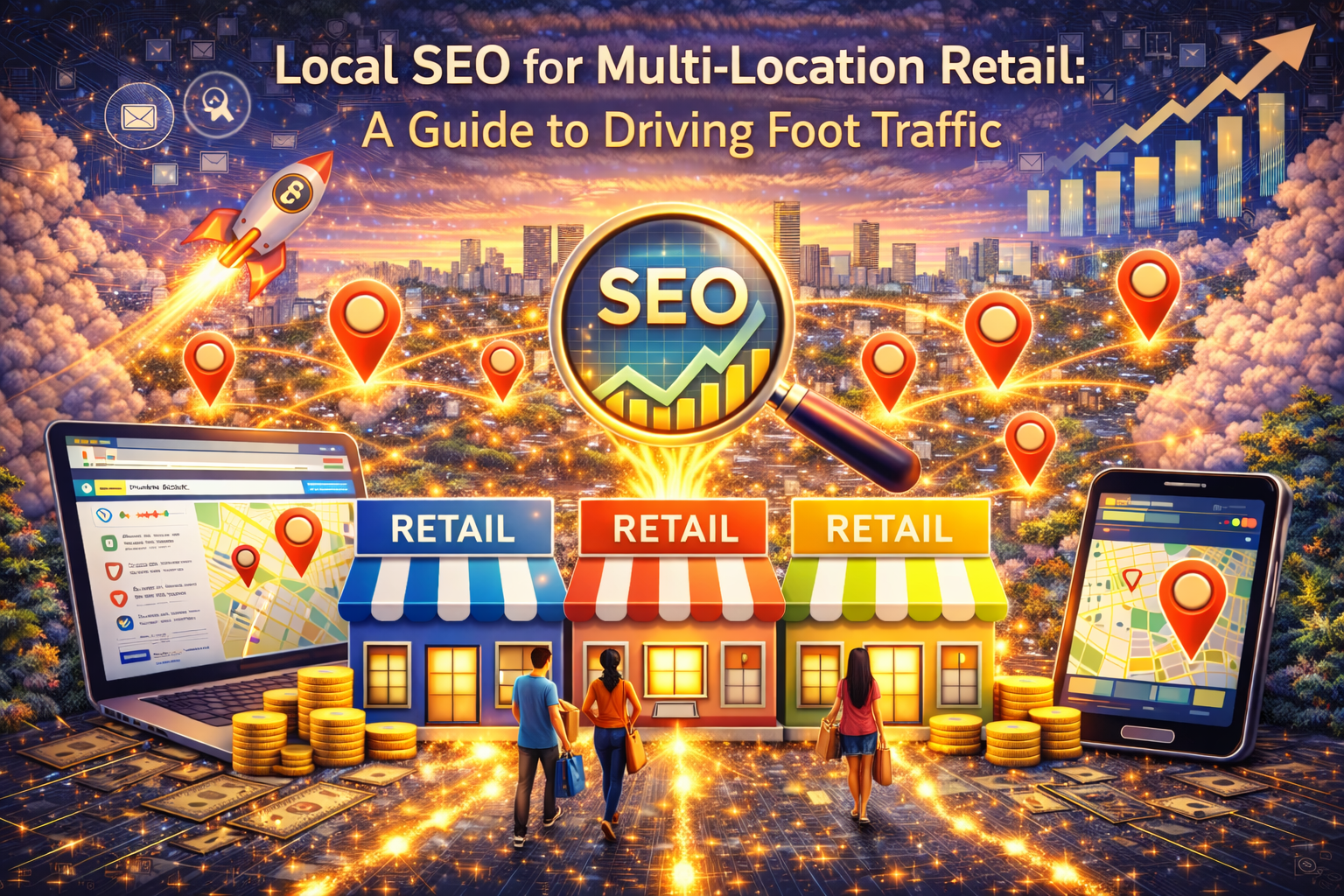
Local SEO for Multi-Location Retail: A Guide to Driving Foot Traffic
Local SEO for Multi-Location Retail: A Guide to Driving Foot
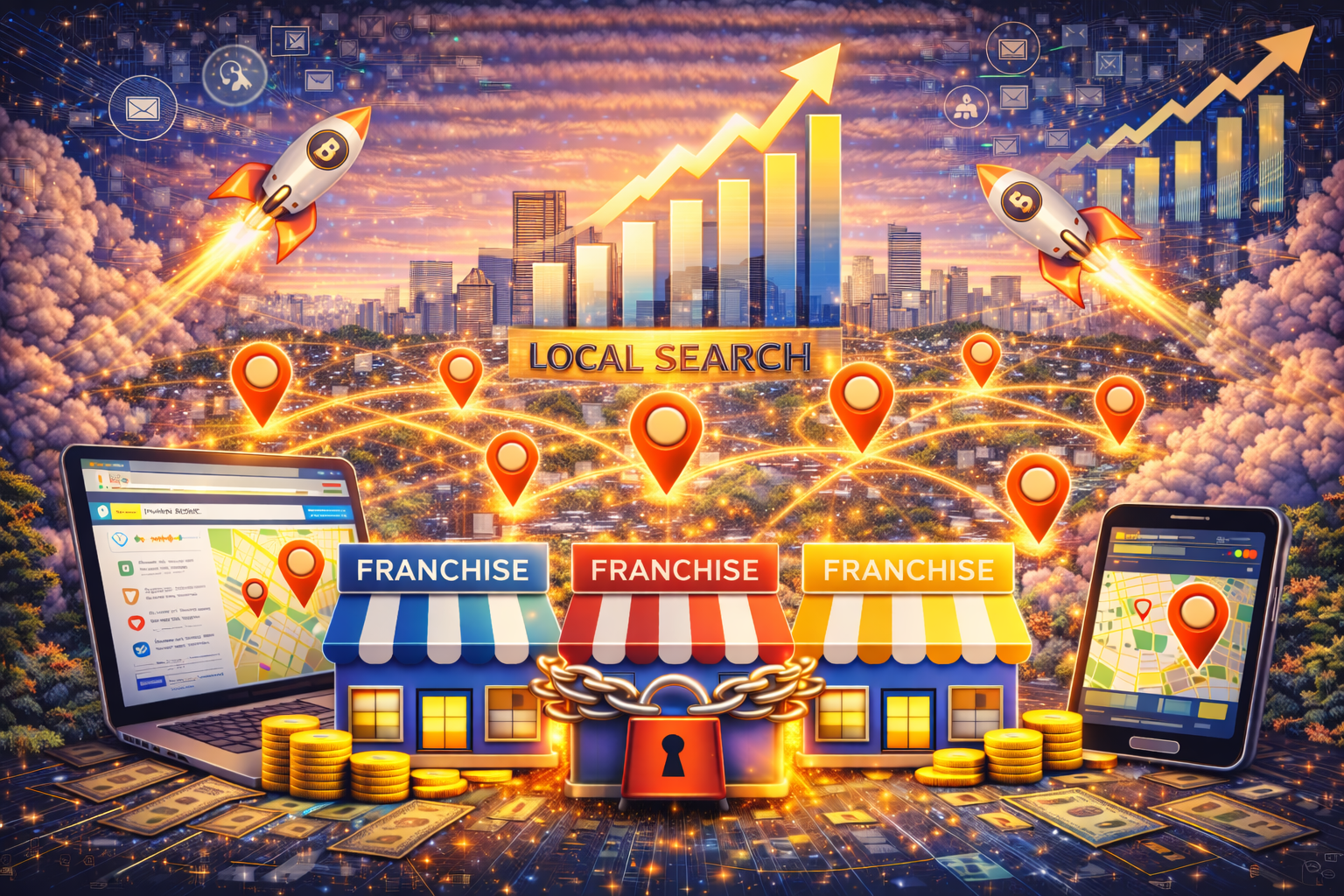
The Franchise Advantage: Using Scale to Win Local Search
The Franchise Advantage: Scale to Win Local Search Direct answer:

Managing Brand Consistency in Local Search Across 1,000 Locations
Managing Brand Consistency in Local Search Across 1,000 Locations Direct
Empowering Your Local Branches with Enterprise-Grade Geo-Pages
Empowering Your Local Branches with Enterprise-Grade Geo-Pages Direct answer: Enterprise-Grade
Solving the Franchise SEO Puzzle: Centralized Strategy, Local Results
Solving the Franchise SEO Puzzle: Centralized Strategy, Local Results Direct
How to Give Every Franchise Location a Top-Tier SEO Presence
How to Give Every Franchise Location a Top-Tier SEO Presence
The Franchise Marketer’s Guide to Dominating 1,000+ Local Markets
The Franchise Marketer’s Guide to Dominating 1,000+ Local Markets Direct

Why “Near Me” Searches Require a Dedicated Local Authority Lockdown
Why "Near Me" Searches Require a Dedicated Local Authority Lockdown
What Generative Engine Optimization Resources Are
Direct Answer: Generative Engine Optimization Resources are strategic guides, articles, frameworks, FAQs, and service assets that help brands become easier for AI engines to understand and cite. They explain how content structure, answer clarity, schema, E-E-A-T, and topical authority improve visibility inside AI-generated answers.
These resources should not read like generic SEO articles. Instead, they should function like AI visibility playbooks. Therefore, each resource must explain one specific problem clearly. That problem may involve AI Overviews, ChatGPT visibility, Perplexity citations, entity optimization, schema markup, answer formatting, citation share, or content architecture.
Furthermore, Generative Engine Optimization Resources must help both humans and machines. A human reader should understand the strategy quickly. Meanwhile, an AI engine should recognize the page as a clear, structured source. Because of that, every resource should use direct answers, clean headings, strong summaries, structured lists, and consistent terminology.
Why GEO Resources Should Work Like Authority Infrastructure
A weak GEO resource says, “AI search is changing SEO.” However, a strong GEO resource explains how answer engines select sources, why structured definitions matter, how schema supports machine understanding, and how internal links reinforce topical trust. Additionally, it shows how brands can turn service knowledge into AI-citable content assets.
Because of that, the best Generative Engine Optimization Resources act like infrastructure. They create source clarity. They strengthen entity associations. Additionally, they allow IMR to connect GEO, SEO, service pages, blog clusters, and industry hubs into one measurable authority system.
Why Generative Engine Optimization Resources Must Prioritize Citation Over Clicks
Direct Answer: Generative Engine Optimization Resources must prioritize citation over clicks because AI engines increasingly answer user questions before users visit websites. When AI systems cite a brand repeatedly for a topic, that brand gains trust, authority, and buyer awareness before the first conversion action happens.
Traditional SEO still matters. However, AI search has changed how users discover answers. Buyers now ask AI tools to compare companies, summarize strategies, explain problems, and recommend next steps. Therefore, a brand must become a preferred source inside answers, not just a link on a results page.
This matters because many buyers now form opinions before clicking. A business owner may ask ChatGPT about GEO. A marketing director may ask Gemini how to optimize for AI Overviews. Meanwhile, a founder may ask Perplexity which signals help AI engines cite a brand. As a result, the brands mentioned inside those answers gain influence earlier in the buying journey.
How Zero-Click Visibility Still Builds Demand
Additionally, zero-click search does not mean zero value. Pew Research Center found that users were less likely to click result links when a Google AI summary appeared. Therefore, brands should still seek traffic, but they must also win visibility inside AI-generated answers.
Generative Engine Optimization Resources should support this shift through answer-first formatting. Each resource should open with a specific direct answer. Then, it should explain the strategy, provide examples, and connect to deeper resources. Consequently, the content becomes easier for AI engines to summarize and cite.
Google Search Central explains that structured data helps Google understand page content and entities. Therefore, GEO resources should use accurate schema, consistent author details, clear headings, and structured answers. This helps search engines and answer engines process the page more confidently.
Ultimately, citation over clicks does not replace lead generation. Instead, it strengthens it. When buyers finally visit the website, they arrive with more trust. Therefore, the sales conversation starts from authority instead of education from scratch.
Entity Clarity for Generative Engine Optimization Resources
Direct Answer: Entity clarity helps AI engines understand who a brand is, what it does, who it serves, and why it should be cited. GEO resources improve entity clarity by using consistent names, services, locations, expertise areas, author details, schema, and internal links across the website.
AI engines rely on context. If a brand describes itself differently across pages, answer engines may struggle to classify it. Therefore, Generative Engine Optimization Resources should reinforce the same core entity signals throughout the site. These signals include company name, service categories, expert authors, industry focus, location, and topical expertise.
For IMR, that means content should consistently connect Infinite Media Resources with SEO, GEO, AI search visibility, digital marketing strategy, and high-ticket lead generation. Additionally, pages should connect related topics through verified internal links. This helps AI systems understand how each resource fits into the broader brand ecosystem.
How Entity Signals Create Better AI Citations
Strong entity signals reduce confusion. For example, a GEO page should not define the service one way, while a blog defines it another way. Instead, both pages should explain that GEO improves how brands appear, get summarized, and get cited inside AI-generated answers.
Entity clarity should include:
- Consistent company name and brand references.
- Consistent service descriptions across related pages.
- Author provenance and expert signature details.
- Organization, WebPage, Article, FAQPage, and Speakable schema.
- Internal links between hubs, resources, service pages, and blogs.
- Clear audience references for target industries and buyers.
Because of this, Generative Engine Optimization Resources should never operate as isolated pages. Instead, they should reinforce the same topical map across the full website. Consequently, AI engines gain more confidence in the brand’s expertise.
Schema and Answer Extraction for Generative Engine Optimization Resources
Direct Answer: Schema and answer extraction help AI and search systems identify the main topic, author, organization, FAQs, steps, and quotable summaries on a page. Strong GEO resources use visible direct answers plus accurate JSON-LD markup to make expert content easier to parse and cite.
Schema does not replace good content. However, it helps machines understand the content more clearly. Therefore, Generative Engine Optimization Resources should use schema that accurately reflects what appears on the page. This includes Organization, WebSite, ProfessionalService, WebPage, Article, FAQPage, HowTo, BreadcrumbList, and SpeakableSpecification when appropriate.
Additionally, answer extraction depends on clarity. If a section takes too long to answer the question, AI systems may choose another source. Therefore, every major section should begin with a strong direct answer. Then, the section should expand with examples, lists, and context.
How to Make GEO Content Easier to Extract
Google’s structured data guidelines explain that markup must follow content and quality rules. Therefore, schema should never exaggerate what the page contains. Instead, it should support visible content and reinforce the page’s actual structure.
Strong answer extraction elements include:
- A clear H1 that matches the resource topic.
- A concise summary block near the top.
- Direct answers at the start of every major section.
- FAQ questions that match schema exactly.
- HowTo steps for actionable processes.
- Speakable schema targeting the H1 and summary.
- Article schema with author provenance.
Because of that, schema and answer extraction must work together. The visible page should answer clearly. Then, the schema should help machines classify the page accurately. Consequently, the resource becomes stronger for both SEO and GEO.
Content Architecture for Generative Engine Optimization Resources
Direct Answer: GEO content architecture organizes hubs, resources, service pages, blogs, FAQs, and industry pages so AI engines can see topical depth. A strong architecture connects each resource to related answers, proving the brand understands the topic from multiple angles.
Random publishing weakens authority. If a website has many disconnected articles, search engines and AI engines may not understand the full topic map. Therefore, Generative Engine Optimization Resources should live inside a structured architecture where every page supports another page.
A strong GEO resource hub should connect to broad education, specific questions, service pages, comparison pages, industry pages, and case studies when available. Additionally, each supporting blog should link back to the resource page. This creates a clear authority loop.
How Resource Hubs Build Topical Depth
Topical depth matters because AI systems look for reliable patterns. If a brand answers one GEO question well, that helps. However, if it answers hundreds of related GEO questions clearly, the brand becomes harder to ignore. Therefore, content architecture should scale the right way.
A strong GEO content architecture includes:
- A parent resource hub for the broad topic.
- Supporting blogs for specific questions.
- Service pages for commercial intent.
- Industry pages for vertical relevance.
- FAQ pages for answer extraction.
- Comparison pages for bottom-funnel decision support.
- Internal links that connect all related assets naturally.
As a result, the website becomes easier to crawl, easier to understand, and easier to cite. Moreover, the brand builds long-term authority that competitors cannot copy with a few short posts.
How AI Search and SEO Work Together in GEO Resources
Direct Answer: SEO helps a page get discovered, while GEO helps a page get cited, summarized, and trusted by AI engines. Generative Engine Optimization Resources should blend keyword targeting, technical SEO, schema, direct answers, and entity clarity into one visibility system.
SEO and GEO should not compete. Instead, they should reinforce each other. SEO brings structure, crawlability, keyword targeting, internal links, and technical standards. Meanwhile, GEO adds answer-first formatting, AI readability, citation focus, and entity-level trust.
Because of that, GEO does not mean abandoning traditional SEO. A resource still needs a strong title, meta description, canonical URL, headings, internal links, external authority links, and readable content. However, it also needs stronger direct answers and clearer source positioning.
Where Traditional SEO Stops and GEO Expands
Traditional SEO may ask, “Can this page rank?” GEO also asks, “Can this page become the source an AI engine uses?” That difference matters. A page can rank and still fail to get cited if it lacks structure, precision, or authority.
Strong GEO resources should include:
- Keyword alignment without stuffing.
- Direct answers that stand alone.
- Definitions that AI can quote accurately.
- Schema that matches visible content.
- Authority links to trusted non-competing sources.
- Internal links to verified relevant pages.
- Author and business identity signals.
Therefore, GEO expands SEO into answer-engine authority. It helps brands compete in the places where buyers now research, compare, and make decisions.
How Generative Engine Optimization Resources Strengthen the Digital Fortress
Direct Answer: Generative Engine Optimization Resources strengthen the Digital Fortress by turning every AI search guide, FAQ, blog, service page, and framework into a connected authority node. Each resource supports one question or keyword while the hub organizes those assets into a system that compounds citation authority.
A single GEO resource can help. However, a connected resource ecosystem compounds. Therefore, each resource page should act as a hub that organizes related content. Then, every related blog, guide, and service page should link back to the resource page. Additionally, the resource page should link to relevant hubs, services, and strategic guides.
This structure matters because search engines and AI engines evaluate topical relationships. If one website publishes scattered content with weak internal links, authority stays fragmented. However, if the website connects GEO resources, service pages, industry hubs, and blogs, the topic becomes easier to understand.
Why the Hub Structure Matters for 1,000-Page Authority
For IMR, the Generative Engine Optimization Resources page should support the 1,000-page Digital Fortress architecture. It should connect broad GEO education to tactical articles. Then, those tactical articles should connect to service pages, local pages, industry pages, and AI search hubs. Consequently, the website builds both breadth and depth.
This architecture also protects long-term growth. Paid ads can create fast demand. However, authority content builds a durable asset. Therefore, every blog, resource page, hub, and service page should work together instead of competing for attention.
Best Generative Engine Optimization Resources
Direct Answer: The best Generative Engine Optimization Resources help brands understand what GEO is, how it differs from SEO, how AI engines cite sources, how schema supports AI visibility, and how content architecture turns expertise into an answer-engine asset.
- Generative Engine Optimization Services — This service page explains how IMR helps brands improve visibility across AI search engines, answer engines, and citation-based discovery.
- Generative Engine Optimization & AI Search Hub — This hub organizes core GEO and AI search strategy into one broad authority resource.
- What Is Generative Engine Optimization? — This resource defines GEO clearly and explains why AI citation visibility now matters for modern brands.
- GEO vs. SEO — This guide explains how traditional rankings and AI citations work together inside a stronger search strategy.
- How to Get Cited in AI Overviews — This article explains how answer-ready content, structure, and authority signals can improve AI Overview visibility.
- How to Optimize for Perplexity and ChatGPT — This guide explains how brands can structure source material for conversational answer engines.
- Citation Share — This resource explains how brands can think about measuring visibility inside AI-generated answers.
Common Generative Engine Optimization Resource Mistakes
Direct Answer: The biggest GEO resource mistake is publishing vague AI search content that fails to provide extractable answers, clear definitions, schema support, and topical depth. GEO content must help AI engines understand exactly what the brand knows, who it serves, and why it deserves citation.
Many brands publish AI search content because the topic is trending. However, they often miss the strategy. They write broad predictions, vague AI commentary, or thin “future of search” posts without connecting them to entity clarity, answer extraction, service intent, or conversion paths.
- Writing generic AI content with no clear answer structure.
- Publishing GEO articles without internal links to hubs and services.
- Ignoring schema, author provenance, and business identity signals.
- Using buzzwords without definitions or examples.
- Failing to include direct answers near the top of sections.
- Skipping FAQ schema and HowTo schema when useful.
- Creating isolated posts instead of connected resource hubs.
Instead, each resource should serve one strategic purpose. It should answer one strong question. Then, it should connect to the next logical asset. Consequently, the website becomes easier to crawl, easier to understand, and easier to cite.
FAQ Authority Stack
What makes Generative Engine Optimization Resources valuable for AI search?
Generative Engine Optimization Resources become valuable for AI search when they provide clear definitions, direct answers, schema support, entity clarity, and consistent internal links. AI engines need reliable source material. Therefore, resources that organize expertise clearly are easier to summarize and cite.
How should a company choose GEO resource topics?
A company should choose GEO topics based on questions buyers ask before trusting a provider. Strong topics include AI Overviews, ChatGPT visibility, Perplexity citations, schema, entity optimization, citation share, answer formatting, and GEO vs. SEO comparisons. These topics support both education and buyer intent.
Why does schema matter for Generative Engine Optimization?
Schema matters because it helps search systems understand the page, author, organization, FAQs, breadcrumbs, and content purpose. However, schema works best when it supports strong visible content. Therefore, GEO resources should pair accurate JSON-LD with clear direct answers and useful page structure.
How do resource pages support the Digital Fortress strategy?
Resource pages support the Digital Fortress strategy by organizing related blogs, guides, FAQs, and service assets into one authority hub. Each related asset links back to the resource page, and the resource page links to relevant services and hubs. Therefore, authority compounds across the website.
Should brands focus more on SEO or GEO?
Brands should focus on both because SEO helps pages get discovered, while GEO helps those pages get cited inside AI-generated answers. The strongest strategy blends keyword targeting, technical SEO, schema, direct answers, internal links, and expert attribution into one authority system.
Business Identity and Expert Signature
Anthony Paulino — COO
Infinite Media Resources
1896 Coventry Dr
Brunswick, OH 44212
Next Steps
Direct Answer: The next step is to turn GEO content into a connected authority system. Build the resource hub, link every related article back to it, connect the hub to verified service pages, and use schema, direct answers, and expert attribution to support AI citation growth.
AI search will keep changing how buyers discover brands. Therefore, your content must create authority before the inquiry happens. If your company wants better visibility across Google AI Overviews, ChatGPT, Gemini, and Perplexity, your GEO resource system must become a structured asset instead of a random publishing calendar.