Link Building Strategy Guide
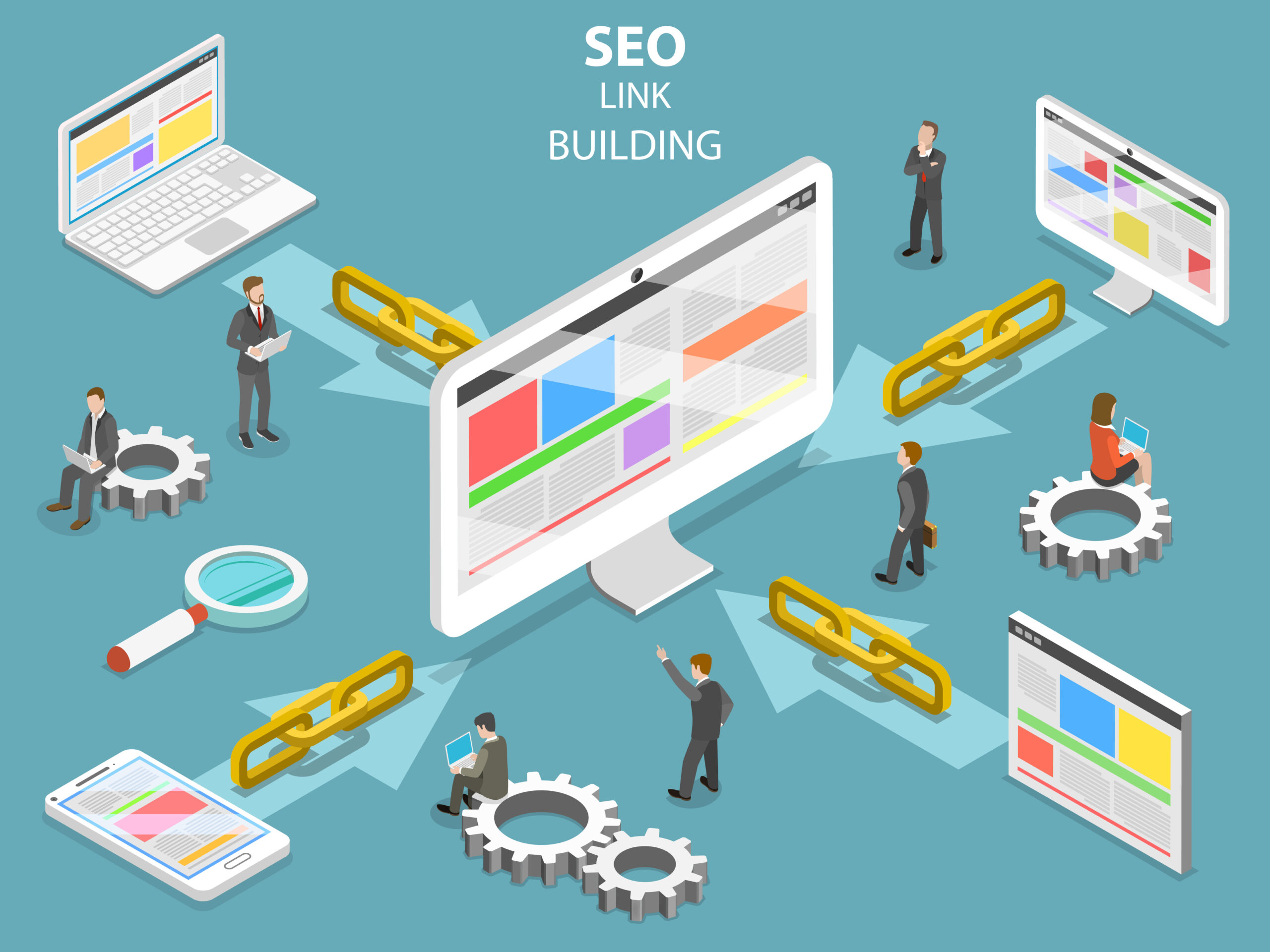
Links tell search engines which pages people trust enough to reference. When reputable sites choose to link to your content, they send powerful signals about your relevance and authority. However, modern link building is not about shortcuts or schemes. It is about creating useful assets, building real relationships, and earning references that make sense for both users and search engines.
This Link Building Strategy Guide explains how to approach off-page SEO in a sustainable, strategic way. You will learn how to choose the right assets to promote, find relevant sites, conduct outreach respectfully, and avoid tactics that conflict with search guidelines. Throughout the guide, you will see how link building connects back to The Ultimate Guide to SEO Strategy so your efforts support the bigger picture rather than acting as isolated campaigns.
URL strategy: nest this cluster under the main SEO strategy hub — https://infinitemediaresources.com/seo-strategy/link-building/ — to reinforce topical depth and the hub-and-spoke structure.
How Link Building Connects to Your SEO Strategy Hub
This Link Building cluster sits directly under The Ultimate Guide to SEO Strategy, which defines the main pillars of a complete SEO approach. While the hub explains how authority fits into SEO as a whole, this guide focuses on the off-page side of that authority: the links other sites choose to give you.
Link building does not replace strong content or solid technical foundations. It amplifies them. The Content SEO Strategy Guide shows you how to create assets worth linking to, and the Technical SEO Audit Checklist ensures those assets remain accessible and stable. This Link Building Strategy Guide explains how to introduce those assets to the right people and encourage natural, policy-aligned links over time.
Because each cluster links back to the hub and connects to related clusters, search engines see a coherent map of topics and references. Links from other sites strengthen that map. When you build links with intention, you help search engines confirm that your expertise extends beyond your own domain, which supports long-term ranking potential across your topics.
The Role of Link Building in Modern SEO
For years, links have acted as a key part of how search engines evaluate pages. They still matter, but the way you approach link building has changed. Today, search engines pay close attention to the quality, relevance, and context of links rather than simply counting how many you have. That means your strategy must focus on earning the right links, not just more links.
High-quality links usually share several traits. They come from sites that publish helpful, trustworthy content. They appear in context, inside paragraphs or resources where the link makes sense to a reader. They use anchor text that accurately describes the destination. They point to content that genuinely helps someone learn, compare, or decide.
Modern link building also happens inside a larger trust and quality framework. When you follow principles aligned with Google’s guidance on helpful content, you naturally move away from manipulative tactics and toward sustainable ones. Instead of viewing links as a shortcut, you can treat them as byproducts of useful work and clear communication.
In that sense, link building supports your overall SEO strategy in two ways. First, it helps search engines understand which of your pages deserve more visibility because other sites vouch for them. Second, it exposes your content to new audiences through referral traffic, which can turn into leads, shares, and additional links over time.
Foundations of a Sustainable Link Building Strategy
A sustainable link building strategy begins with mindset. Instead of asking, “Where can I get links quickly?” you ask, “Where would it be natural and helpful for someone to reference this content?” That shift keeps your efforts aligned with both user value and search policies.
Several foundational ideas support that mindset:
- Relevance over volume: A link from a site closely related to your topic often carries more value than a link from a random, unrelated domain. Relevance helps search engines understand the themes you are associated with.
- Editorial choice: The strongest links usually come from pages where the site owner or writer chooses to add your link because it improves their content. This editorial judgment is one reason search engines treat such links as a sign of authority.
- Transparency and clarity: When you collaborate with partners or sponsors, you should use appropriate attributes on links and follow the spirit of guidelines like Google’s link best practices. Transparency keeps your profile healthier over time.
- Long-term relationships: Link building works best when it grows out of real relationships with publishers, creators, and organizations in your space. Each relationship can lead to multiple natural mentions over time instead of a single transaction.
As you plan your link building strategy, you can also study educational resources like Ahrefs’ introductory guide to link building or Moz’s overview of link building concepts. These external perspectives, combined with your own strategy hub, help you approach off-page work with a broad understanding of modern expectations.
Link-Worthy Assets and Content Types
Before you start outreach, you need something worth linking to. Link building becomes much easier when you have assets that genuinely help people. These assets can live on your main domain and often connect back to the clusters defined in your SEO strategy hub.
In-Depth Guides and Pillar Content
Comprehensive guides that organize a topic clearly often attract references from other writers. When you publish well-structured, up-to-date resources, you make it easier for others to cite your work as a reference, especially if you explain complex topics in accessible language.
Original Research and Data
Surveys, studies, and data analyses frequently earn links because they give other sites something concrete to reference. Even small, focused data projects can become linkable when they address specific questions. For inspiration on research-based content, you can review examples from data-heavy resources such as Ahrefs’ research articles or industry reports from companies that publish methodology and numbers transparently.
Tools, Templates, and Checklists
Simple tools, calculators, templates, and checklists help visitors apply ideas quickly. When these tools solve real problems, other sites often link to them as recommended resources. For example, a downloadable content calendar template or a technical SEO checklist can become a natural reference point inside other guides.
Thoughtful Opinion and Framework Content
Clear frameworks, mental models, and opinion pieces can also attract citations when they crystallize a concept in a memorable way. The key is to ground opinions in real experience and data, not just speculation. Over time, these frameworks can be referenced by other practitioners in your field.
Each of these asset types works even better when it ties into your existing topic clusters. A link-worthy resource that connects back to your Content SEO Strategy Guide or other clusters does double duty: it attracts links and strengthens your internal structure.
Prospecting and Outreach Basics
Once you have assets worth sharing, you can begin prospecting and outreach. Prospecting means identifying sites and specific pages where a link to your content would make sense. Outreach means contacting the people behind those pages in a respectful, personalized way.
For prospecting, you can start with several sources:
- Existing mentions of your brand or content that do not yet link.
- Resource pages, glossaries, and curated link lists on related topics.
- Articles that mention problems your assets help solve.
- Communities, newsletters, and publications that share similar content.
As you identify candidates, evaluate them for relevance, quality, and fit. Check whether the site publishes helpful material, appears maintained, and uses links in a way that feels organic. Avoid pages that seem created only to host links or that contain large blocks of unrelated outbound links.
During outreach, keep messages short and focused on value. Reference the specific page where your asset might fit, explain why it could help that page’s readers, and make your suggestion without pressure. Even simple, respectful messages can stand out compared to generic, automated pitches.
Some teams also use digital PR, guest articles, partnerships, and co-created content as part of their link building strategy. The most sustainable approaches emphasize clear benefit for all participants—publishers gain strong content, readers gain clarity, and your site gains relevant exposure and links.
Risk Avoidance: Link Building and Search Guidelines
Because links carry significant weight, search engines pay close attention to patterns that look manipulative or artificial. A healthy link building strategy respects these boundaries. Instead of trying to game systems, you can use guidelines as guardrails for long-term success.
Policies like Google’s spam policies for search explain which link practices the search engine considers problematic, including large-scale link exchanges, automated link creation, and schemes that exist only to manipulate rankings. Likewise, the link best practices documentation describes how to handle sponsored, user-generated, and affiliate links responsibly.
As you design campaigns, you can ask practical questions to stay within safe boundaries:
- Would this link still make sense to add if search engines did not exist?
- Does the surrounding page provide value to readers on its own?
- Is the relationship between sites transparent where it needs to be?
- Are we relying on a small set of tactics that could look manipulative at scale?
Technical quality matters too. Links should be implemented in a way that supports both accessibility and usability. If you want to explore broader guidance on how links affect user experience and discoverability, you can review resources like web.dev’s SEO learning paths and relevant sections in Google Search Essentials.
When you combine these policies and best practices with your own judgment, you dramatically reduce the risk that link building efforts will cause problems later. Instead, they remain a stable, supportive part of your overall SEO strategy.
Body Reinforcement: Why Link Building Still Matters
To reinforce the importance of link building, it helps to summarize the main reasons this work remains a core part of SEO.
- You amplify strong content and clusters by exposing them to new audiences through referrals and mentions.
- You send clear authority signals when respected sites in your space choose to reference your work.
- You strengthen topic relevance by earning links from pages that discuss similar problems and concepts.
- You create durable advantages, because high-quality editorial links are difficult for competitors to copy quickly.
- You support brand perception, as mentions in trustworthy publications increase familiarity and confidence.
- You build a network of relationships with partners, publishers, and creators that can lead to future collaborations.
- You align off-page signals with the on-page and technical foundations set in your other SEO clusters.
These benefits grow over time when you approach link building as an ongoing program instead of a one-time project. Each new link becomes part of a larger pattern that supports your visibility and credibility across your core topics.
Implementation Steps: How to Build a Link Building Program
This section turns the ideas from the Link Building Strategy Guide into a practical sequence. You can follow these steps as you build or refine your link building program, one cluster at a time.
Step 1: Audit Your Existing Link Profile
Start by reviewing the links you already have. Identify which domains link to you, which pages earn the most links, and where potential risks might exist. Group links by relevance and quality so you see where your strongest off-page signals come from today.
Step 2: Connect Links to Clusters and Priorities
Map your strongest links to the topic clusters defined in The Ultimate Guide to SEO Strategy. If certain pillars or clusters have very few links, mark them as priorities. This mapping helps you focus link building on areas where additional authority would support your broader SEO goals.
Step 3: Identify Link-Worthy Assets and Gaps
List the assets you already have that deserve more attention, such as in-depth guides, tools, or research pieces. At the same time, note where you need to create additional link-worthy content. Align those plans with your Content SEO roadmap so creation and promotion work together.
Step 4: Build Prospect Lists
For each priority asset, build a list of relevant sites and specific pages that might benefit from referencing it. Include resource pages, educational guides, and articles that touch on the problem your asset solves. Evaluate each prospect for quality, relevance, and alignment with your brand.
Step 5: Create Outreach Workflows
Document simple outreach templates that focus on value to the recipient’s audience. Customize these messages for each prospect, referencing their content directly. Outline follow-up rules that stay respectful and limited rather than aggressive or automated.
Step 6: Track, Measure, and Refine
Track which outreach efforts lead to conversations, which conversations lead to links, and which links drive meaningful referral traffic or visibility. Use this information to refine your prospecting criteria, your messaging, and the types of assets you prioritize in future campaigns.
When you move through these steps consistently, link building becomes a repeatable process that supports your SEO strategy instead of a scattered series of tasks.
Common Questions About Link Building
How many links do I need to rank?
There is no universal number. The amount and type of links you need depend on your industry, the competitiveness of your keywords, and the strength of competing pages. Focusing on relevant, high-quality links usually matters more than chasing a specific count.
Are all backlinks equally valuable?
No. Links vary widely in value. Links from relevant, trustworthy sites that choose to reference your content editorially often carry more weight than links from low-quality, unrelated pages or sites created purely for link placement.
Should I buy links to speed things up?
Buying links to manipulate rankings goes against most search engine guidelines and can introduce serious risk. It is safer and more sustainable to invest in assets, relationships, and outreach that earn links naturally or use appropriate attributes where sponsorship exists.
Do nofollow links still matter?
Nofollow links may not pass authority in the same way as followed links, but they can still drive referral traffic, build awareness, and diversify your link profile. Links from reputable sites, even with nofollow attributes, can contribute to broader visibility.
How long does link building take to show results?
Results from link building can take time, often weeks or months, because search engines need to crawl new links and reassess your site’s authority. Consistent, long-term efforts usually produce more stable gains than short bursts of activity.
Next Steps: Put This Link Building Strategy Guide to Work
You now have a structured view of how link building fits into your overall SEO strategy. The next step is to choose one cluster, review your existing links, and identify a small set of assets to promote. As you run your first focused campaigns, you will learn which messages, assets, and outreach approaches resonate most with your audience and partners.
Return to The Ultimate Guide to SEO Strategy whenever you need to reconnect with the larger framework. Then, use this Link Building Strategy Guide and related clusters to move from theory to execution. Over time, your off-page signals will grow alongside your content and technical foundations, giving your site a stronger, more resilient presence in search.