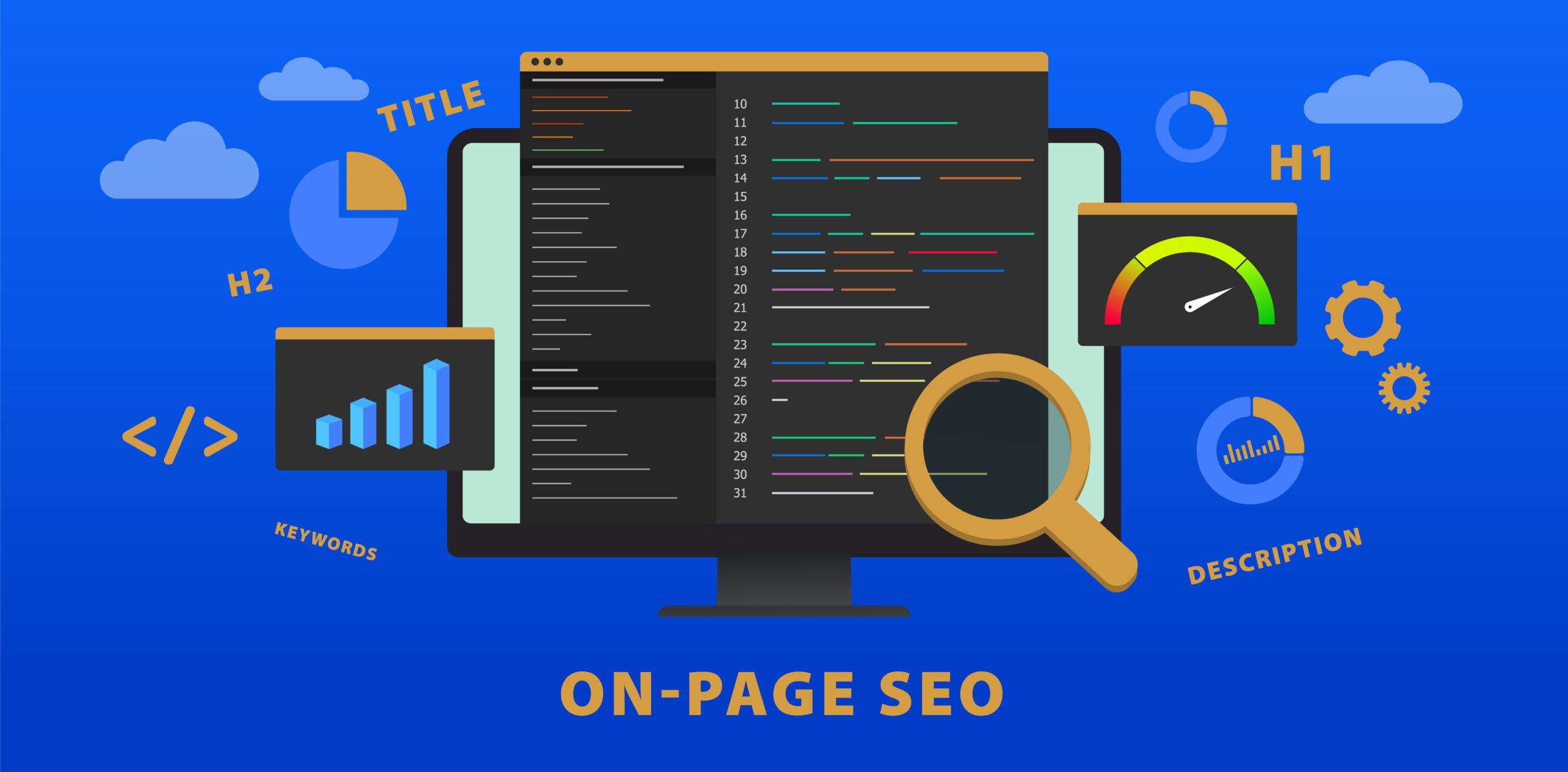
On-Page SEO Best Practices: Optimizing Content for Keywords and User Intent
On-Page SEO Best Practices determine how search engines and users interpret each page. Because clarity influences relevance, strong on-page execution aligns structure, language, and intent. Therefore, pages rank more consistently and convert more reliably.
Additionally, this authority cluster supports The 2025 SEO Blueprint by turning strategy into execution. Meanwhile, each connected spoke expands a specific component. As a result, teams can learn the system here and apply details elsewhere.
URL strategy: keep this authority cluster nested under the SEO hub — https://infinitemediaresources.com/search-engine-optimization/on-page-seo/.
Why On-Page SEO Best Practices Matter
On-Page SEO Best Practices sit at the center of search performance. While technical SEO controls access and off-page SEO builds authority, on-page SEO defines meaning. Therefore, it explains what a page covers and why it deserves visibility.
However, without clear on-page structure, even strong domains struggle. Pages overlap. Intent mismatches increase. Rankings fluctuate. In contrast, when structure and intent align, performance stabilizes.
Google reinforces this concept through its guidance on helpful, people-first content. As a result, pages that satisfy intent outperform pages that chase keywords alone.
Intent-First Optimization Framework
Intent drives outcomes. Therefore, every page should begin with intent clarity.
First, identify whether the query is informational, comparative, transactional, or navigational. Next, examine the SERP layout. Then, match your page format to that expectation.
For example, informational intent requires explanations. Meanwhile, transactional intent requires reduced friction. Because intent alignment improves engagement, satisfaction signals strengthen naturally.
Keyword Mapping Without Cannibalization
Keyword mapping protects On-Page SEO Best Practices from internal conflict. Without mapping, pages compete. Therefore, authority splits.
First, collect queries from Search Console and research tools. Next, group them by intent. Then, assign one primary page per group. As a result, each page serves a clear role.
You can validate categories using Google Keyword Planner. Although built for ads, it still reveals theme structure.
Structuring Pages for Humans and Crawlers
Structure improves comprehension. Therefore, On-Page SEO Best Practices rely on predictable layouts.
Start with a direct introduction. Then, organize content into logical sections. Additionally, use short paragraphs and lists. As a result, scanning becomes easier.
Because search engines parse structure, clear layouts improve interpretation and indexing.
Titles and Meta Descriptions That Earn Clicks
Titles influence rankings and clicks. Meta descriptions shape expectations. Therefore, both matter.
Place the main topic early in the title. Then, add a benefit. Avoid vague language. Google explains this behavior in its title link documentation.
Meanwhile, meta descriptions should preview value. As a result, traffic quality improves.
H1–H3 Architecture Rules
Headings define hierarchy. Therefore, structure must remain clean.
Use one H1. Then, use H2s for major sections. After that, use H3s for steps and examples. However, avoid repeating the same phrase excessively.
Instead, vary language while maintaining meaning. Consequently, the page reads naturally.
Content Depth That Fully Satisfies Queries
Depth matters more than length. Therefore, On-Page SEO Best Practices reward completeness.
Answer the main question early. Then, expand into related concerns. Additionally, include examples and warnings. As a result, users stay longer.
Because engagement improves, rankings stabilize over time.
Internal Linking as a Ranking Multiplier
Internal links connect meaning. Therefore, they reinforce topical authority.
Link hubs to clusters. Link clusters to spokes. Meanwhile, use descriptive anchors. Avoid primary keyword anchors for external sites.
Consequently, crawl efficiency and context both improve.
Image and Media Optimization
Media improves understanding. However, poor optimization slows pages.
Compress files. Define dimensions. Use alt text when helpful. Guidance from Web.dev explains how performance supports rankings.
Therefore, optimization should be routine.
Optimizing for SERP Features
SERP features reward clarity. Therefore, formatting matters.
Start sections with direct answers. Then, expand with lists or steps. Meanwhile, review Search Console for opportunity patterns.
As a result, visibility increases beyond blue links.
On-Page SEO Spoke Pages
Each spoke below expands one execution layer of On-Page SEO Best Practices.
Therefore, you can move from strategic understanding on this page to precise implementation in each supporting guide.
In addition, every spoke links back to this cluster to reinforce topical authority.
SEO Keyword Research and Mapping Strategy
Learn how to identify keyword themes, group queries by intent, and map each group to a single page.
As a result, you prevent cannibalization and create a clean internal linking structure.
Writing Title Tags, Meta Descriptions, and H1 Headings
Understand how to write titles and meta descriptions that earn clicks while matching search intent.
Meanwhile, learn how H1 headings frame content for both users and crawlers.
How to Optimize Images for SEO
Discover how image compression, file naming, alt text, and layout stability support speed and accessibility.
Therefore, pages load faster and retain more visitors.
Mastering Topical Authority
Learn how to move beyond individual keywords and build complete topic coverage using clusters and internal links.
Consequently, your site earns stronger relevance signals over time.
Optimizing for Featured Snippets and People Also Ask
See how formatting, question targeting, and concise answers help content appear in high-visibility SERP features.
As a result, you gain exposure even without the top blue link.
Why On-Page SEO Best Practices Win Long Term
- They align structure with intent.
- They reduce internal competition.
- They improve engagement signals.
- They support AI summaries.
- They scale across teams.
Common Questions
Are On-Page SEO Best Practices still critical?
Yes. They remain foundational for rankings, AI visibility, and conversions.
Next Steps
Apply these On-Page SEO Best Practices to one priority page. Then expand systematically.