
E-E-A-T and Off-Page Trust Signals
E-E-A-T and off-page trust signals help search engines and users decide who to believe. Because authority alone is not enough, you also need credible experience, expertise, and brand proof.
This guide shows how to connect E-E-A-T signals to off-page authority. Therefore, your links, mentions, and references carry more weight in competitive search spaces.
URL strategy: keep E-E-A-T nested under off-page SEO — https://infinitemediaresources.com/search-engine-optimization/off-page-seo/eeat/
What You Will Learn
This page explains how E-E-A-T and off-page trust signals work together. You will learn what signals carry the most weight, how to build them ethically, and how to connect them to the pages that matter.
In addition, you will learn how to strengthen author credibility, brand proof, entity consistency, and earned references. As a result, your off-page authority supports rankings with more stability.
What E-E-A-T Means in Practice
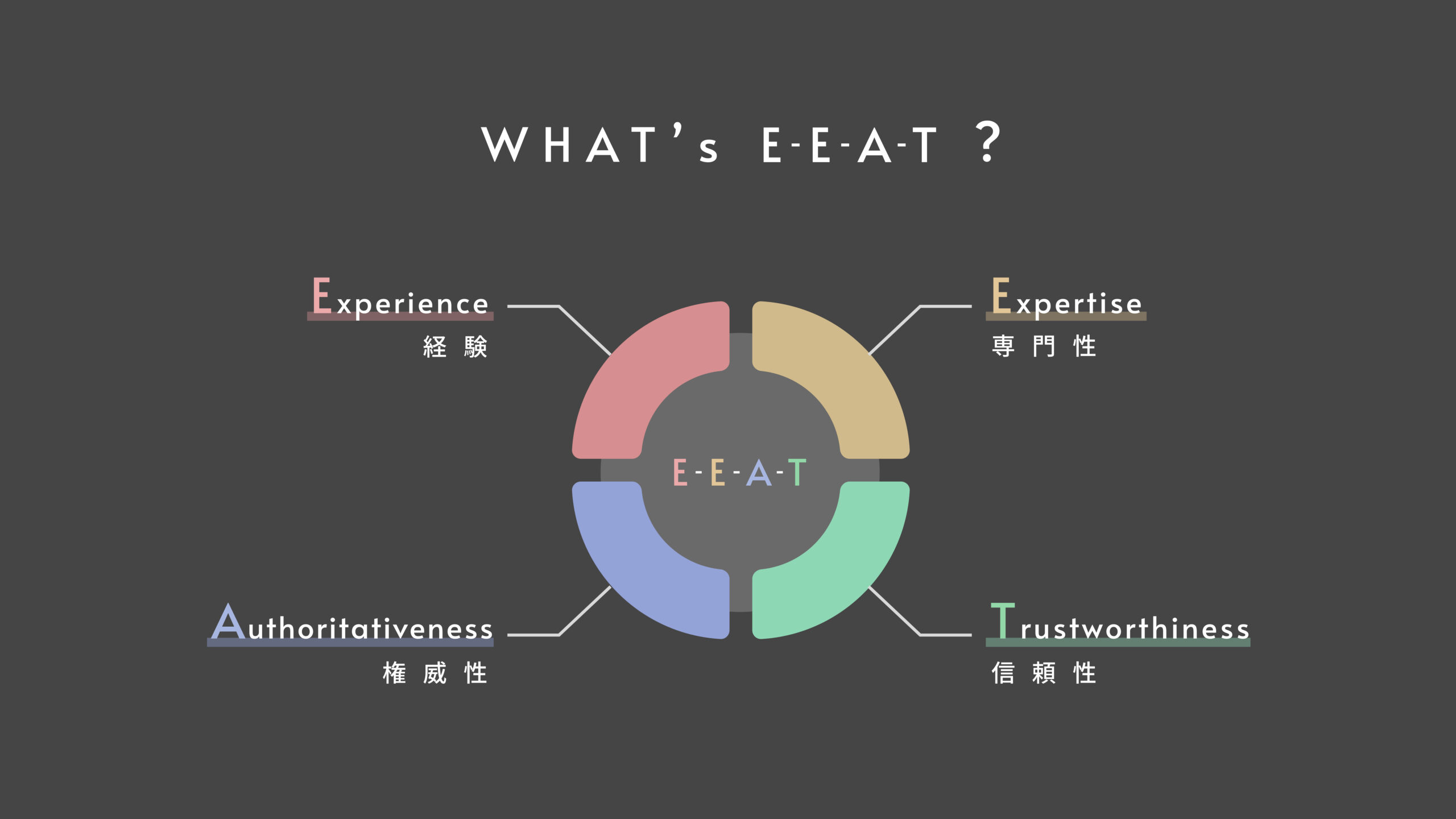
E-E-A-T stands for Experience, Expertise, Authoritativeness, and Trust. While it is not a single ranking factor, it describes how systems and evaluators judge content quality and credibility.
Experience shows that the creator has first-hand knowledge. Expertise shows subject skill and competence. Authoritativeness reflects reputation and recognition. Trust reflects reliability and transparency. Therefore, strong E-E-A-T reduces uncertainty for both users and algorithms.
Google’s documentation explains how quality concepts relate to helpful content and search evaluation. Start here: Creating helpful, reliable, people-first content.
Why Off-Page Trust Signals Matter
On-page content can claim anything. Off-page signals show whether other parties agree. Because third-party validation is harder to fake at scale, it often carries more credibility.
Off-page trust signals also support entity understanding. When consistent references appear across the web, it becomes easier to connect your brand, authors, and services to the right topics. Consequently, search systems can interpret your authority with more confidence.
Types of Off-Page Trust Signals
Off-page trust signals come in several forms. While backlinks matter, they represent only one category. Therefore, you should build a broader trust profile.
- Editorial links from relevant publications.
- Brand mentions without links.
- Author mentions and citations.
- Reviews and ratings on third-party platforms.
- Local citations and consistent business info.
- Partnership pages, memberships, and associations.
- Press coverage and third-party features.
- Social proof signals, when credible and consistent.
Author Credibility Signals
Named authors with real profiles
Named authors improve clarity. Therefore, each key article should have an author name, bio, and contact pathways.
Credentials and experience
Credentials help when topics involve risk or expertise. However, experience-based proof can also work. Consequently, include client work examples, process descriptions, and real-world outcomes where appropriate.
External author references
Off-page author credibility grows when others cite the author. For example, podcast appearances, guest articles, and quoted commentary create independent validation.
Author entity consistency
Author names should match across sites. Meanwhile, profiles should link back to a canonical author page. As a result, identity becomes easier to confirm.
Brand Proof and Business Credibility
Clear business identity
Your brand name, address, phone, and services should remain consistent. Therefore, avoid variations that create confusion across citations.
Visible transparency signals
Trust improves when users can verify who you are. Consequently, include policies, contact pages, and clear service explanations.
Independent references
Mentions from reputable sites show legitimacy. As a result, brand proof becomes harder to dispute.
For local credibility patterns, Google’s guidance around business profiles helps define consistent expectations: Google Business Profile guidelines.
Earned Mentions and Editorial References
Editorial mentions with context
Editorial mentions matter most when they appear in context. Therefore, prioritize references that explain why you are cited.
Digital PR angles
PR earns mentions when you provide value. For example, data insights, expert commentary, and practical frameworks often earn citations.
Thought leadership that earns citations
Original frameworks and research attract references. Consequently, your content becomes a source, not just a page.
Journalists often cite sources that provide verifiable information. As a reference point, review Google’s link spam policy to avoid paid patterns: Google link spam policies.
Reviews, Reputation, and Third-Party Validation
Reviews as trust accelerators
Reviews reduce buyer uncertainty. Therefore, they influence conversion and perceived credibility, even when rankings remain stable.
Consistency across platforms
Consistency matters because mixed signals create doubt. Consequently, use the same NAP information and brand identity everywhere.
Response quality
Responding to reviews demonstrates accountability. In addition, it shows that the business engages with feedback and resolves issues.
For review best practices and policy clarity, use: Manage and respond to reviews.
Entity Consistency and Knowledge Graph Clarity
Consistent entity data
Entity consistency includes name, website, and social profiles. Therefore, use the same canonical links and brand naming.
Schema helps connect entities
Structured data strengthens clarity. Consequently, Organization and author schema support identity interpretation across pages.
External corroboration
External corroboration comes from listings, profiles, and mentions. As a result, your brand becomes easier to verify in multiple systems.
How to Build E-E-A-T Off-Page Signals
Step 1: Create pages worth citing
Build assets with depth, clarity, and unique value. Therefore, publish frameworks, checklists, and original insights.
Step 2: Document authors and expertise
Create author pages and bios. Then connect them across content. Consequently, authorship becomes trackable.
Step 3: Earn mentions with value-first outreach
Pitch data, commentary, and helpful resources. As a result, you earn references that feel natural.
Step 4: Strengthen brand proof across the web
Align listings, social profiles, and citations. Therefore, you reduce entity confusion.
Step 5: Build partnership credibility
Join relevant communities and publish collaborations. Consequently, third-party validation grows.
How to Measure Trust Signal Progress
Trust signals do not always create immediate ranking jumps. However, they improve stability and lift across clusters over time.
- Track brand mentions and linked mentions.
- Track referring domains and topical relevance.
- Track author citations and appearances.
- Monitor review volume, rating trends, and response rate.
- Monitor Search Console visibility for competitive topics.
- Measure assisted conversions from referral sources.
Google Search Console remains a core measurement tool: Search Console performance reports.
Common Mistakes to Avoid
- Relying on backlinks only while ignoring mentions, reviews, and entity consistency.
- Publishing content without authorship signals or transparency.
- Chasing high-metric links from irrelevant sites.
- Using paid link placements that create risk.
- Inconsistent brand naming across profiles and listings.
- Neglecting review responses and reputation management.
Because trust is cumulative, small inconsistencies can create long-term friction.
Body Reinforcement
- E-E-A-T and off-page trust signals make authority harder to dispute.
- Author credibility improves the weight of references and citations.
- Brand proof strengthens entity understanding and conversion confidence.
- Earned mentions often outlast short-term link tactics.
- Reviews and reputation protect trust while supporting local visibility.
- Consistency across profiles reduces confusion across systems.
Common Questions
Is E-E-A-T a direct ranking factor?
No. However, it describes the signals search systems use to judge credibility. Therefore, improving E-E-A-T often improves outcomes indirectly.
Do brand mentions help if they are not linked?
They can. Mentions support recognition and trust. Consequently, they still help your overall authority footprint.
Should every page have an author name?
Most educational content benefits from authorship. However, some utility pages may use organizational authorship. Therefore, apply authors where credibility matters most.
What is the fastest off-page trust signal to build?
Reviews often move fastest. Meanwhile, editorial mentions typically take longer. Consequently, build both in parallel.
How do I avoid risky trust-building tactics?
Focus on value-first assets and transparent outreach. Then avoid paid link patterns and network behavior.
Next Steps
First, audit your current off-page trust signals. Next, fix entity consistency across profiles and citations. Then strengthen authorship and brand proof on key pages. After that, earn editorial mentions through data, frameworks, and expert commentary. Consequently, your authority and E-E-A-T signals reinforce each other across your full SEO cluster.