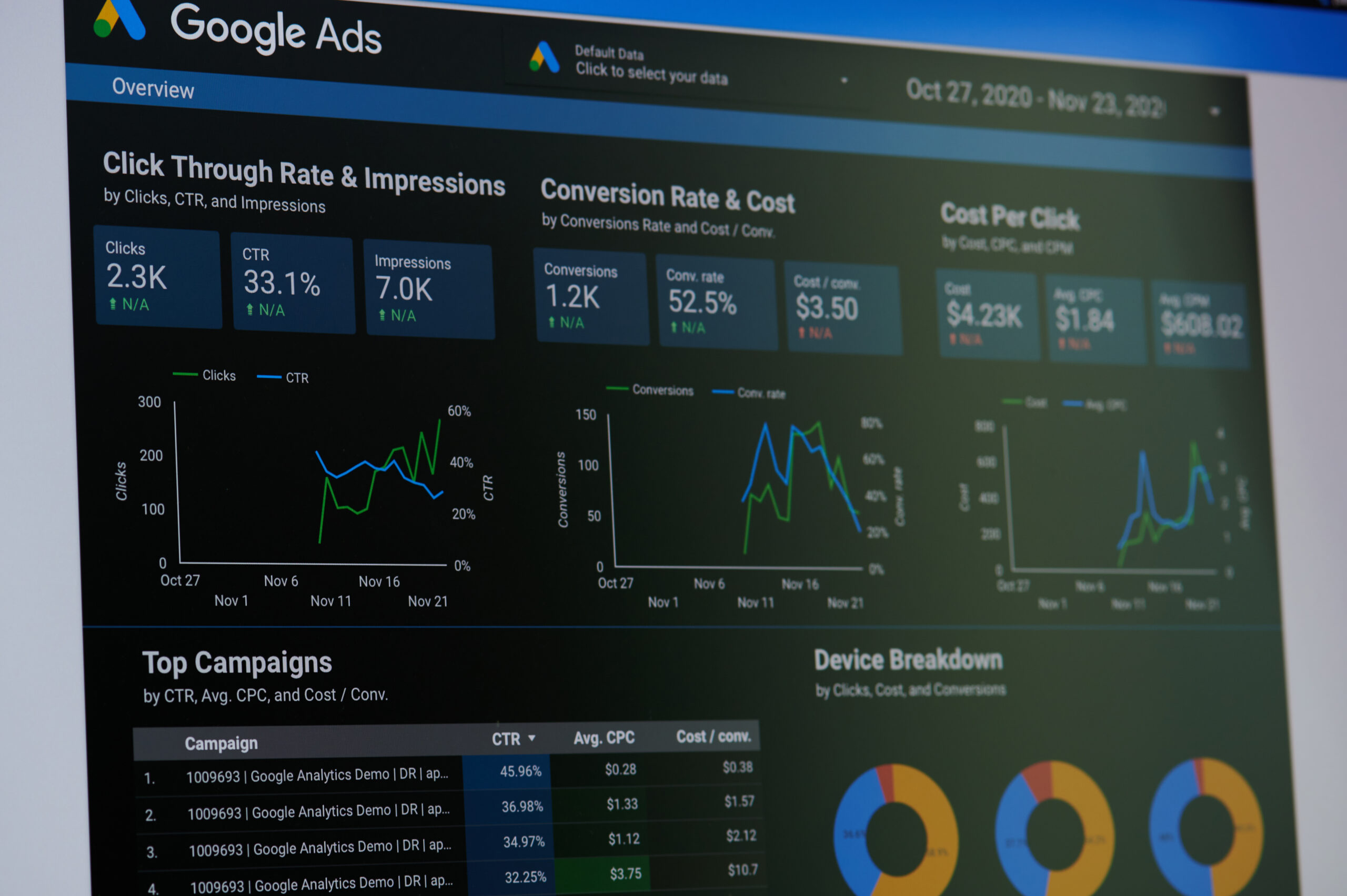
Google Ads Experiments: Test Bidding Changes Without Risk
Google Ads optimization always involves risk. However, Google Ads Experiments let you test major changes safely before rolling them out across your entire campaign.
This page explains how to use Ads Experiments to test bidding strategies, structural changes, and strategic ideas. Because experiments split traffic scientifically, you gain clarity instead of guessing.
This spoke supports the bidding strategy cluster, Google Ads Bidding Strategy, and connects back to the main hub, Ultimate Guide to Google Ads.
URL strategy: keep it focused — https://infinitemediaresources.com/google-ads/bidding-strategy/experiments/ — and position this page as the Experiments spoke within the bidding strategy cluster.
What You Will Learn About Google Ads Experiments
This page shows how to use Google Ads Experiments as a decision-making tool. Because uncontrolled changes can damage performance, experiments provide guardrails.
You will learn when experiments make sense, how to structure them, and how to interpret results with confidence. Therefore, your optimization decisions rely on evidence instead of intuition.
Why Google Ads Experiments Matter
Ads Experiments allow you to test without risking the full campaign. Therefore, you can explore new ideas while protecting core performance.
Experiments are especially useful for bidding strategy changes, structural adjustments, and automation tests. Instead of guessing, you can compare results side by side.
Google explains the importance of controlled testing in its official Experiments documentation. Because Google supports this framework, results integrate directly into reporting.
How Google Ads Experiments Work
Experiments split traffic between two versions of a campaign. One version remains the control. The other version applies your test changes.
Google randomly assigns users. Because of this, performance differences reflect the changes you made, not audience bias. As a result, conclusions become more reliable than manual comparisons.
Drafts vs Experiments Explained
Drafts let you clone an existing campaign and modify it safely. Experiments then turn that draft into a live test.
You can learn more about drafts and experiments directly from Google’s Drafts & Experiments guide. Because drafts isolate changes, they prevent accidental edits to live campaigns.
When to Use Google Ads Experiments
Ads Experiments work best when you want to test meaningful changes.
Use experiments when:
- You want to switch bidding strategies.
- You want to test automation or Smart Bidding.
- You want to restructure campaigns or ad groups.
- You want to test new audiences or signals.
- You want to validate major creative changes.
Because experiments require volume, they work best on campaigns with consistent traffic.
Step-by-Step Experiment Setup
Step 1: Define the Hypothesis
Decide what you want to prove. For example, you might test whether Target CPA improves efficiency compared to Maximize Conversions.
Step 2: Create a Draft Campaign
Inside Google Ads, duplicate your campaign as a draft. Then apply only the changes you want to test.
Step 3: Launch the Experiment
Promote the draft into an experiment. Choose a traffic split that fits your volume. Many advertisers start with a 50/50 split.
Step 4: Let the Experiment Run
Allow enough time for learning. Because daily volatility exists, avoid early judgments.
Step 5: Evaluate Results
Review CPA, conversion volume, and confidence indicators. Google explains confidence levels in its learning period guidance.
How to Measure Experiment Results
Focus on one primary metric. For example, CPA or ROAS usually works best.
Look for statistical confidence above 90%. When confidence is lower, you need more data or more time. Therefore, patience improves accuracy.
Google also recommends avoiding short test windows in its best practices for experiments.
Common Google Ads Experiment Mistakes
These mistakes weaken results:
- Testing multiple variables at once
- Ending experiments too early
- Ignoring confidence indicators
- Changing budgets mid-test
- Judging performance on daily swings
Because experiments rely on clean comparisons, consistency matters throughout the test.
When You Should Not Run an Experiment
Experiments are not always appropriate. If a campaign has very low volume, results may not reach confidence.
In those cases, smaller manual changes may work better. Later, once volume increases, experiments become more reliable.
Body Reinforcement: Why Experiments Improve PPC Decisions
Experiments strengthen PPC decisions because they replace assumptions with evidence.
- You validate ideas before rolling them out.
- You reduce the risk of large performance drops.
- You gain clarity on what truly works.
- You build repeatable testing processes.
- You improve long-term account stability.
- You support smarter scaling decisions.
- You create confidence in optimization choices.
Common Questions About Google Ads Experiments
How long should a Google Ads experiment run?
Most experiments run two to four weeks. However, traffic volume ultimately determines duration.
Can I test bidding and creative together?
You can. However, testing one variable at a time improves clarity.
What confidence level should I trust?
Aim for 90% confidence or higher before applying changes.
Do experiments affect Quality Score?
Experiments do not directly change Quality Score. However, winning changes may improve relevance later.
Next Steps: Run Your First Experiment
You now understand how Ads Experiments work. First, identify one high-impact change. Then test it safely using experiments.
Next, return to the bidding strategy cluster:
Return to the bidding strategy cluster
Or return to the Google Ads hub: