PPC Agency FAQ — Paid Media Answers That Improve ROAS & Lead Quality
This PPC Agency FAQ explains how paid media works and what actually drives ROI as ad platforms evolve. Because auctions reward relevance, tracking accuracy, and conversion experience, you need more than “set it and forget it” management. Therefore, every answer starts with a concise definition, and then it expands into practical steps you can apply.
URL strategy: clean and evergreen — /faqs/ppc
PPC Foundations & Management
What is PPC and how does the auction system work in 2025?
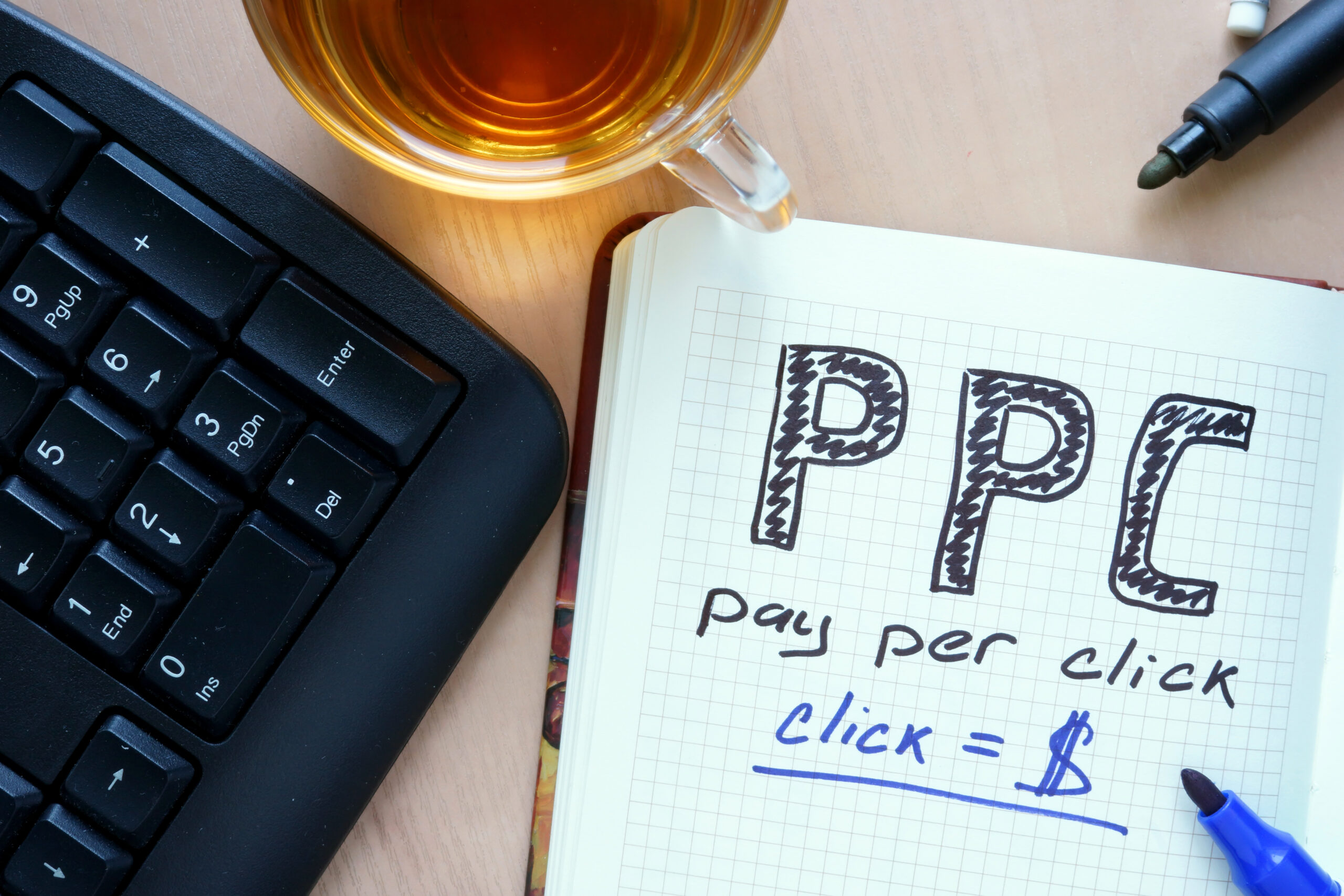
PPC is a paid advertising model where you bid to show ads, and you pay when someone clicks or converts, while the platform uses an auction that combines bid, relevance, and predicted performance to decide placement and cost.
Because auctions reward quality, not just budget, you should improve relevance, landing pages, and conversion tracking. For Google Ads fundamentals, reference Google Ads Help.
What is the difference between an “Order-Taker” and a “Strategic” PPC agency?
An order-taker agency makes requested changes without challenging goals, while a strategic PPC agency builds a plan around profit, funnel intent, measurement, and iteration so every campaign decision ties back to outcomes like margin, CAC, and pipeline quality.
So, you want strategy that connects offers, landing pages, and tracking, not just keyword swaps. Therefore, prioritize agencies that explain “why” and document next actions.
How do you calculate a profitable PPC budget for a new business?
A profitable PPC budget starts with unit economics, then estimates clicks and conversion rates needed to hit a target CAC, while reserving enough spend for learning and testing so the platform can gather data and stabilize performance.
Infinite Media Resources typically starts by defining gross margin, close rate, and lead value first. Then we back into budget ranges, because math beats guessing.
What is “Quality Score” and how does it directly lower my cost-per-click?
Quality Score is Google’s estimate of ad relevance and expected user experience, and it can lower CPC because higher relevance improves ad rank efficiency, which means you can win similar positions with lower bids when your ads and landing pages match intent.
Therefore, improve ad-to-keyword alignment, CTR signals, and landing page message match. You can validate concepts using Google’s Quality Score guidance.
How long does it take for a new Google Ads campaign to “exit the learning phase”?
The learning phase is the period when an algorithm tests bids and placements to predict conversions, and it typically ends after a campaign collects enough consistent conversion signals, which often takes days to weeks depending on volume, conversion rate, and tracking quality.
So, avoid constant resets and keep changes controlled. Then, increase volume safely, because stability helps learning finish faster.
What are the key performance indicators (KPIs) that actually matter for ROI?
The KPIs that matter most connect spend to profit, including cost per acquisition, conversion rate, lead quality, CAC, ROAS or MER, and pipeline or revenue attribution, while secondary metrics like CTR only matter when they influence those outcomes.
Infinite Media Resources reports KPIs in plain language so teams make decisions faster. Therefore, you stop optimizing vanity metrics and start protecting margin.
Why should I hire an agency instead of doing it myself?
Hiring an agency makes sense when expertise, speed, and disciplined testing reduce wasted spend, because specialists build cleaner structure, tighter tracking, and better creative faster than most teams can learn while paying tuition through inefficient clicks and missed conversion opportunities.
So, you buy process and pattern recognition, not just execution. Then, you free your team to focus on sales and delivery.
What is the difference between Search, Display, and Video ads?
Search ads capture active demand when people type intent-driven queries, Display ads create awareness across websites and apps using audiences, and Video ads build attention and persuasion through short-form or long-form creative, so each format serves a different funnel stage.
Therefore, match format to intent: Search for leads now, Display/Video for demand creation. Then, connect all formats to clear landing page offers.
How do you handle “Click Fraud” and fake lead submissions?
Click fraud and fake leads are reduced by layered protections, including traffic quality filters, IP and placement exclusions, bot defenses on forms, stricter conversion definitions, and continuous search term and placement audits that remove suspicious patterns quickly.
Infinite Media Resources also recommends server-side validation where possible, because it reduces spoofed signals. So, you protect budget and keep data clean.
Will I own my Google Ads account if I hire your agency?
You should own your Google Ads account, including billing access, data history, and admin control, while an agency receives manager access to operate campaigns, because ownership protects continuity, transparency, and portability if your business ever changes vendors.
Therefore, avoid “agency-owned” accounts unless there is a clear, documented reason. Then, require shared access and clear reporting.
Google Ads & Advanced Automation
What is a “Performance Max” (P-Max) campaign and when should I use it?
Performance Max is a goal-based Google Ads campaign that automates placements across Search, YouTube, Display, Discover, Gmail, and Maps, using assets and signals to find converting users, and it works best when you have strong tracking and clear conversion values.
So, use P-Max when you can feed it clean goals and strong creative. Then, monitor search term insights and brand controls where available via Google’s Performance Max documentation.
How do “Audience Signals” replace traditional keyword targeting?
Audience signals guide automation by indicating who is likely to convert, using first-party data, interests, and intent signals, while the system still uses context and behavior to expand beyond those signals, which means targeting becomes probabilistic instead of keyword-only.
Therefore, provide high-quality first-party lists and clear value signals. Then, keep the funnel aligned, because audiences do not fix weak offers.
What is “Smart Bidding” and can I trust Google’s AI with my budget?
Smart Bidding is Google’s automated bid strategy that adjusts bids in real time based on conversion likelihood and value signals, and you can trust it when tracking is accurate, conversions are meaningful, and budgets allow enough volume to learn without starving the model.
Infinite Media Resources audits conversion actions before enabling automation, because bad data creates expensive decisions. So, set guardrails and validate outcomes.
Why is my “Search Terms Report” showing irrelevant traffic?
Irrelevant search terms usually happen when match types are too broad, negatives are missing, intent mapping is weak, or automated expansion is enabled without constraints, which causes Google to test related queries that do not align with your offer.
Therefore, tighten match types, add negatives weekly, and rebuild ad groups around intent themes. Then, improve message match so the system understands relevance.
What are “Negative Keywords” and how do you use them to save money?
Negative keywords are terms you exclude so your ads do not show for irrelevant searches, and they save money by preventing low-intent clicks, protecting conversion rate, and improving relevance signals that support lower CPC and better lead quality over time.
So, build a negative keyword framework by category and apply it consistently. Then, mine search terms on a schedule, because drift always returns.
What are “Enhanced Conversions” and why are they mandatory for 2025?
Enhanced conversions improve attribution by securely sending hashed first-party customer data from your site to ad platforms, which helps recover measurement accuracy when browser restrictions reduce tracking, and they become essential as privacy changes limit traditional cookie-based conversion matching.
Infinite Media Resources prioritizes measurement upgrades early, because optimization depends on signal quality. For implementation context, see Google’s enhanced conversions help.
How do “Responsive Search Ads” (RSAs) improve conversion rates?
RSAs improve performance by testing combinations of headlines and descriptions to match more queries and user contexts, which can increase relevance and CTR, while still requiring strong inputs, clear themes, and landing page alignment to convert traffic profitably.
Therefore, write assets by intent and pin only when necessary. Then, remove weak assets based on performance trends.
Why does Google suggest “Recommendations” that seem to just spend more money?
Google recommendations often aim to increase volume and adoption of automated features, which can raise spend if constraints are loose, so you should treat them as suggestions to evaluate, not instructions to accept, and only apply what improves ROI and data clarity.
Infinite Media Resources reviews recommendations through profit and tracking filters first. Therefore, we keep what helps and reject what inflates cost.
What is “Value-Based Bidding” and how does it prioritize high-margin sales?
Value-based bidding uses conversion values to optimize toward higher-value outcomes, not just more conversions, which lets the system prioritize users and queries more likely to produce high-margin sales when values reflect real profit differences across products, services, or lead types.
So, assign meaningful values and import offline outcomes when possible. Then, refine values over time, because accuracy increases efficiency.
How do you use Google Ads Scripts to automate account maintenance?
Google Ads scripts automate repetitive tasks like budget monitoring, broken URL checks, anomaly alerts, and reporting, which protects performance by catching issues fast and enforcing hygiene routines, while human strategy still drives structure, creative, and offer decisions.
Infinite Media Resources uses scripts as guardrails, not a replacement for management. Therefore, you gain consistency without losing strategy.
Meta Ads & Paid Social Strategy
Why are my Meta (Facebook/Instagram) Ads getting impressions but no sales?
High impressions with no sales usually mean the offer, landing page, or targeting signal is misaligned, so the platform delivers reach without purchase intent, and results improve when creative qualifies the viewer, the page converts fast, and tracking feeds accurate events.
Therefore, tighten the hook, improve the offer, and simplify the next step. Then, validate events using Meta Business Help Center.
What is “Advantage+ Shopping” and is it better than manual targeting?
Advantage+ Shopping is Meta’s automation-first campaign type that uses broader delivery and algorithmic optimization to find purchasers, and it often outperforms manual targeting when pixel signals and creative volume are strong, although manual setups can still win for niche constraints.
So, test Advantage+ against a controlled manual baseline. Then, keep creative testing active, because creative is the main lever.
How do I combat “Ad Fatigue” in my social media campaigns?
Ad fatigue happens when the same audience repeatedly sees the same creative, which reduces attention and conversion rate, and you combat it by rotating concepts, refreshing hooks, expanding audiences responsibly, and using a testing pipeline that produces new winners consistently.
Infinite Media Resources refreshes creative on a schedule tied to frequency and CPA drift. Therefore, performance stays stable while scale grows.
What makes a high-converting “Hook” for a Meta video ad?
A high-converting hook stops scroll by calling out the exact pain, desire, or curiosity in the first seconds, while previewing the outcome and proving relevance fast, so the viewer self-qualifies and stays long enough to receive the offer and the next step.
So, lead with the problem and show the result quickly. Then, add proof and a single CTA, because clarity beats complexity.
How does the “iOS 14+ Privacy Update” still affect my ad tracking?
iOS privacy restrictions reduce third-party tracking, limit attribution windows, and cause underreported conversions, which means platforms receive fewer signals and optimization becomes harder unless you strengthen first-party data, use modeled attribution carefully, and implement platform-side measurement tools.
Therefore, prioritize first-party capture and server-side measurement options. Then, compare platform reporting to CRM outcomes, because truth lives in revenue.
What is a “Lookalike Audience” and how do you build one from CRM data?
A lookalike audience is a modeled group of users who resemble your best customers, and building it from CRM data works by uploading hashed customer lists, mapping value tiers, and letting the platform find similar profiles, while quality improves when the source list is clean and segmented.
So, upload high-quality customer lists and refresh them regularly. Then, test multiple tiers, because different lookalikes behave differently.
Should I use “Broad Targeting” or “Interests” on Meta in 2025?
Broad targeting often works better when you have strong conversion signals and strong creative, while interests can help when signals are weak or your offer is highly specific, so the right choice depends on volume, tracking quality, and your ability to produce creative that filters intent.
Infinite Media Resources typically starts broad with guardrails, then layers interests only when needed. Therefore, learning stays efficient without wasting spend.
What is the ideal “Creative Testing” workflow for a small agency?
An ideal testing workflow runs multiple creative concepts in parallel, evaluates winners by CPA and conversion rate, then scales winners while replacing losers weekly, so you keep learning continuous without resetting performance, and you maintain a backlog of hooks, angles, and formats.
Therefore, test concepts first, then variations second. Then, document results, because repeatable learning compounds.
How do Meta Ads and Google Ads work together in a full-funnel strategy?
Meta and Google work together when Meta creates demand and attention at the top and middle of the funnel, while Google captures high-intent searches at the bottom, and performance improves when both channels share consistent messaging, offers, and measurement so attribution reflects real customer journeys.
Infinite Media Resources designs cross-channel message match to reduce friction. Therefore, buyers recognize you across touchpoints and convert faster.
What is a “Retargeting Pixel” and how do you use it ethically?
A retargeting pixel records site interactions so you can show ads to visitors who expressed interest, and ethical use means transparent privacy policies, consent where required, respectful frequency, and messaging that helps users finish decisions rather than manipulating sensitive categories or over-targeting personal behavior.
So, cap frequency and align creative with user stage. Then, keep compliance current using platform guidance like Meta’s policies and help resources.
Conversion & Technical Foundations
Why is my landing page “Bounce Rate” so high?
High bounce rate usually means visitors did not find what they expected, the page loads slowly, the offer feels unclear, or the design creates friction, so users exit before taking action, and lowering bounce requires better message match, speed, and a simpler next step.
Therefore, tighten the headline, remove distractions, and improve speed. Then, test above-the-fold clarity, because first impressions decide everything.
What is “Message Match” and why is it the secret to high conversion?
Message match is the alignment between the ad promise, the landing page headline, and the on-page proof, and it drives higher conversion because it reduces confusion, increases trust, and confirms the visitor landed in the right place, which keeps attention long enough to complete the action.
Infinite Media Resources treats message match as a conversion multiplier across every channel. Therefore, we align query, ad copy, and page structure tightly.
How do you track phone calls generated from my ads?
Call tracking connects ad clicks to phone leads using dynamic number insertion, call extensions, and forwarding numbers, while recording key metrics like call duration and outcomes so you can attribute revenue properly and optimize toward calls that become customers, not just calls that happen.
So, track calls as conversions and qualify them with thresholds. Then, connect call outcomes to CRM when possible, because closed-loop data wins.
What is “Server-Side Tagging” and why is it better than browser tracking?
Server-side tagging routes measurement events through your server or a server container, which improves reliability and privacy control by reducing browser blocking, extending cookie durability, and improving data quality, while also giving you more governance over what data gets shared to platforms.
Therefore, server-side setups often stabilize attribution and improve optimization signals. For baseline context, review Google Tag Manager server-side documentation.
Does my website load speed affect my PPC Quality Score?
Website speed can influence PPC performance because landing page experience is part of relevance and user satisfaction, and slow pages reduce conversion rate, increase bounce, and weaken engagement signals, which can raise effective costs even when bids stay the same.
Infinite Media Resources treats speed as a paid media lever, not just an SEO task. Therefore, faster pages usually lower CPA even when CPC stays flat.
How do I know if my “Conversion Tracking” is actually working?
Conversion tracking works when platform events match real outcomes, deduplication is correct, and conversion actions reflect meaningful business results, which you verify by testing events end-to-end, comparing platform counts to analytics and CRM, and validating attribution logic before optimization begins.
So, run test conversions, check event parameters, and confirm thank-you page or event firing. Then, audit conversion settings, because “counting wrong” is worse than not counting.
What is the difference between a “Hard Conversion” and a “Soft Lead”?
A hard conversion is a high-intent action tied to revenue, like a qualified call, booked appointment, or purchase, while a soft lead is an early signal like a newsletter signup or time-on-page threshold, and mixing them incorrectly can mislead automated bidding.
Therefore, separate primary and secondary conversions clearly. Then, optimize bids to hard conversions, because that protects profit.
How do you use heatmaps to optimize PPC landing pages?
Heatmaps show where users click, scroll, and hesitate, which helps you identify friction points like ignored CTAs, confusing sections, or missing proof, and you use them to simplify layouts, improve message hierarchy, and increase conversion rate without increasing ad spend.
So, pair heatmaps with session recordings and form analytics. Then, make one change at a time, because clarity requires controlled testing.
What is “A/B Testing” and what elements should we test first?
A/B testing compares two versions of a page or element to determine which produces better conversions, and you should test the highest-impact variables first, including headline, offer, CTA placement, proof elements, and form friction, because those factors control attention and trust.
Infinite Media Resources typically tests headline and offer first, then layout and proof. Therefore, you get faster wins with fewer tests.
How do first-party cookies replace third-party data in 2025?
First-party cookies store site interactions under your own domain, which makes them more durable under privacy restrictions, and they support measurement and personalization when combined with consent, server-side tracking, and CRM capture, while third-party cookies decline in reliability across browsers.
Therefore, prioritize email capture, CRM hygiene, and enhanced conversions. Then, build measurement that survives changes, because platforms will keep shifting.
Scaling & Business Growth
When is the right time to increase my daily ad spend?
The right time to increase spend is when tracking is reliable, conversion volume is stable, CPA is within target, and your funnel can handle more leads without reducing close rate, because scaling spend without operational capacity often increases costs and reduces ROI.
So, scale in steps and watch lead quality. Then, increase budgets gradually, because sudden jumps can destabilize learning.
What is “Diminishing Returns” in PPC and how do we avoid it?
Diminishing returns happen when additional spend reaches less-qualified audiences, higher-cost placements, or saturated demand, which increases CPA and reduces ROAS, and you avoid it by expanding offers, improving conversion rate, adding new intents, and scaling across channels responsibly.
Infinite Media Resources watches marginal CPA as budgets rise, not just average CPA. Therefore, we scale where efficiency remains healthy.
How do you scale a campaign without “breaking” the algorithm?
Scaling without breaking the algorithm means increasing budgets gradually, maintaining stable conversion signals, and avoiding excessive structural changes at the same time, so the system can learn from consistent inputs while you expand reach through new segments, creatives, or keywords.
So, change one lever at a time and document effects. Then, protect tracking consistency, because signal chaos creates cost spikes.
Should I be advertising on Bing (Microsoft Ads) as well as Google?
Microsoft Ads can be worthwhile when your audience overlaps with Bing and Edge users, your CPCs are competitive, and incremental conversions come in at acceptable CAC, and it often works well for B2B and higher-income demographics, depending on your niche and intent set.
Therefore, test Microsoft Ads with a controlled budget and import winning keywords from Google. For platform basics, see Microsoft Advertising resources.
What is “Omnichannel” marketing and why does it protect my brand?
Omnichannel marketing coordinates messaging across multiple channels so customers experience one consistent brand journey, and it protects your brand because it reduces dependence on a single platform, improves trust through repetition, and increases conversion by meeting buyers in different moments of research.
So, align offers, creative, and landing pages across channels. Then, track outcomes by funnel stage, because omnichannel wins through coordination.
How do I calculate my “Customer Acquisition Cost” (CAC)?
CAC is the total cost to acquire a customer, including ad spend and related marketing costs, divided by the number of customers acquired in the same period, and it becomes useful when you calculate it by channel and compare it to gross margin and lifetime value.
Infinite Media Resources calculates CAC alongside close rate and lead quality, because those variables explain “why” CAC changes. Therefore, decisions become clearer.
What is “ROAS” vs. “MER” (Marketing Efficiency Ratio)?
ROAS measures revenue divided by ad spend for a specific channel or campaign, while MER measures total revenue divided by total marketing spend, and MER matters because it reflects how paid media, brand, and organic channels work together to drive real business performance.
Therefore, use ROAS for tactical decisions and MER for executive health. Then, avoid channel tunnel-vision, because businesses win as systems.
How do you identify new market opportunities during a PPC audit?
New opportunities appear when audits reveal missed high-intent queries, underserved segments, competitor gaps, and landing page offers that can be expanded, and you find them by analyzing search terms, auction insights, CRM outcomes, geography performance, and creative resonance patterns across funnel stages.
Infinite Media Resources uses audits to build a prioritized roadmap, not a random checklist. Therefore, you focus on opportunities with the highest expected ROI first.
Why do my ads perform better on some days of the week than others?
Day-of-week performance changes because buyer behavior, competition, and intent fluctuate, while conversion capacity and response time on your side also vary, so costs and conversion rates shift based on when people research, when they buy, and how fast your business follows up.
So, analyze performance by day and hour, then adjust schedules carefully. Then, improve lead response speed, because follow-up timing changes ROI.
What is the first thing your agency does to fix a failing PPC account?
The first step is a measurement and intent audit that confirms tracking accuracy, conversion definitions, and traffic quality, because you cannot optimize a failing account until data is trustworthy and the campaign structure matches real buyer intent and profitable outcomes.
Infinite Media Resources starts by fixing signals, then rebuilding structure, then improving creative and landing pages. Therefore, performance improves in the right order instead of through guesswork.
Next Steps — Get a PPC Plan Built for ROAS, Not Guesswork
Because paid media rewards clean signals and disciplined testing, you do not need more spend to grow. Instead, you need better structure, better tracking, and better message match so every click has a higher chance to convert. Therefore, if you want a clear plan for the next 30–90 days, we can map the fixes and the scale path.