Google Ads Management Agency FAQ — Answers That Lower CPL & Improve ROAS
This Google Ads Management Agency FAQ breaks down what matters most in modern Google Ads performance. Because the auction rewards relevance and landing page experience, you need more than a high bid. Therefore, every answer starts with a concise definition, and then it expands into practical steps you can apply to reduce wasted spend and improve lead quality.
URL strategy: clean and evergreen — /faqs/google-ads
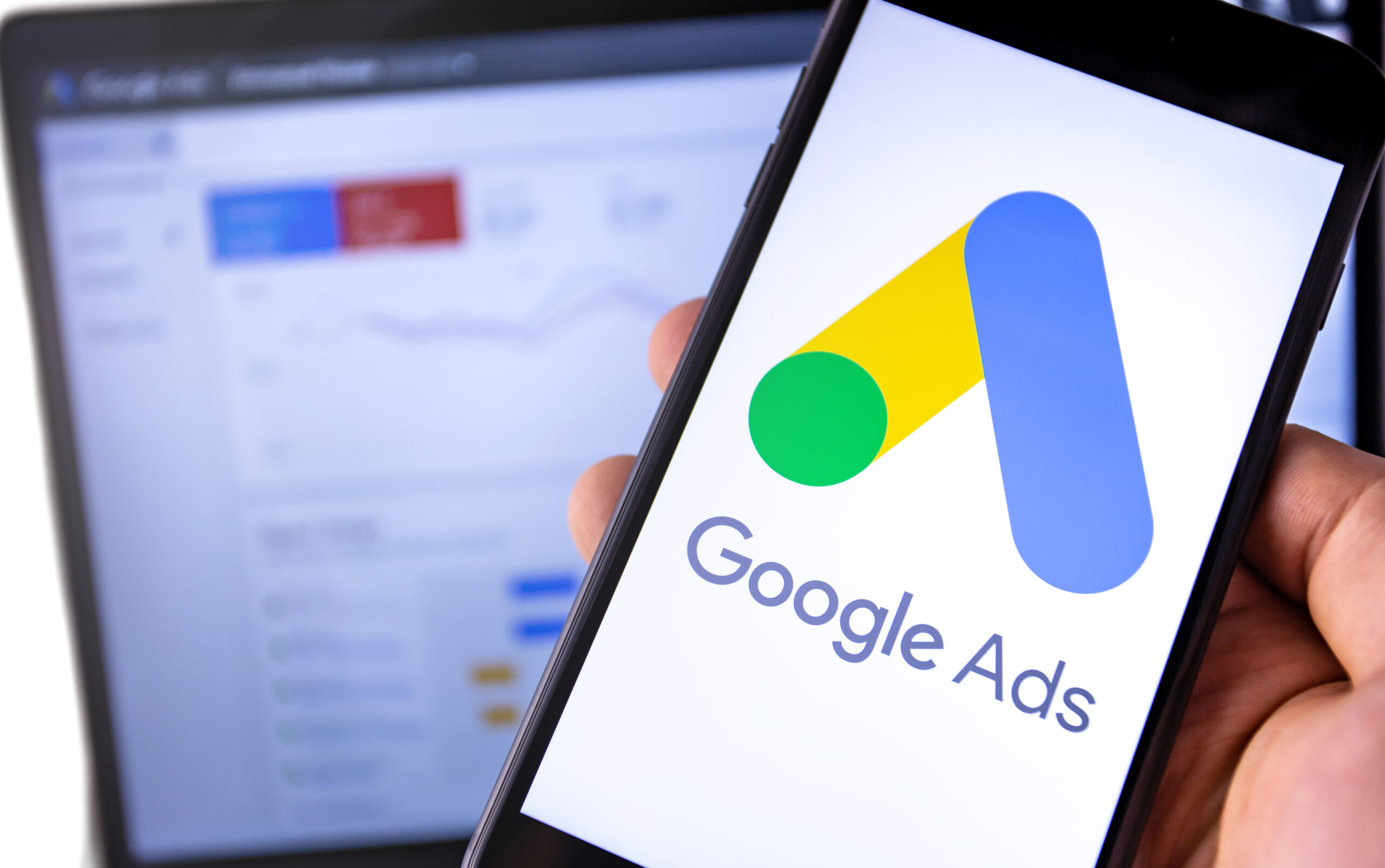
Google Ads Fundamentals (The “Why”)
What exactly is Google Ads management and why do I need it?
Google Ads management is the ongoing planning, building, testing, and optimization of campaigns so your spend produces profitable leads or sales, while tracking stays accurate and waste stays controlled. You need it because auctions change daily, so unmanaged accounts drift and costs rise.
Therefore, management protects ROI through structure, negatives, conversion tracking, and continuous iteration. For fundamentals, see Google Ads Help.
How much does Google Ads cost for a small business in 2025?
Google Ads cost depends on your industry CPCs, conversion rate, close rate, and profit per customer, so there is no single “normal,” but most small businesses should budget enough to generate consistent conversions for learning and optimization.
So, we back into spend from CAC targets instead of guessing. Then, we scale only when lead quality stays strong.
How does the Google Ads auction actually determine who shows up first?
The auction determines placement using Ad Rank, which combines your bid, expected performance, ad relevance, and landing page experience, so the highest bidder does not automatically win. Better relevance can beat bigger budgets.
Therefore, we improve relevance, assets, and message match before we simply increase bids. You can review core concepts in Google’s Ad Rank guidance.
What is the difference between Google Search Ads and the Display Network?
Search Ads capture active intent when people search keywords, while the Display Network places ads across websites and apps to build awareness and retarget interest. Search usually drives higher-intent leads, while Display supports reach and remarketing.
So, we match campaign type to funnel stage. Then, we align landing pages to the promise, because intent changes by network.
Is Google Ads better than SEO for immediate lead generation?
Google Ads typically drives leads faster than SEO because you can buy visibility immediately, while SEO compounds over time and becomes cheaper per lead as rankings grow. The best strategy often combines both.
Therefore, we use Ads to capture demand now and SEO to reduce dependence later. Then, we use shared landing pages to lift both channels.
How do you determine if my industry is “too competitive” for Google Ads?
An industry is “too competitive” only when projected CAC exceeds your profit or lifetime value, even after optimizing relevance, conversion rate, and lead quality. Competition is manageable when the funnel converts and values support bids.
Infinite Media Resources evaluates competition using CPC ranges, intent tiers, and landing page conversion benchmarks. Therefore, you get a math-based go/no-go.
What is “Ad Rank” and why is a high bid not enough to win?
Ad Rank is Google’s score that determines position and eligibility, and a high bid is not enough because relevance and user experience can raise Ad Rank without raising cost. Poor experience forces you to overpay.
So, we fix Quality Score drivers first. Then, we scale bids only when the funnel supports it.
How do you sync Google Ads with my current CRM?
Syncing Google Ads with a CRM means connecting leads to revenue outcomes through tracking parameters, offline conversion imports, and lead status mapping, so campaigns optimize toward customers, not just form fills.
Therefore, we standardize UTMs, capture GCLID where applicable, and import qualified outcomes. For offline conversion basics, see Google’s offline conversion tracking.
What is a “Google Partner” agency and why does it matter?
A Google Partner agency meets certain program requirements related to account performance, spend, and certifications, which can signal platform familiarity, yet results still depend on strategy, tracking accuracy, and execution discipline.
So, use Partner status as one signal, not the decision. Then, look for process transparency and ROI reporting.
Can I run Google Ads on a $500/month budget?
You can run Google Ads on $500/month, but success depends on CPCs and conversion rates, because low budgets can limit learning and reduce data for optimization in competitive markets. Some niches work well; others need more volume.
Therefore, we focus $500 on tight intent keywords, strong negatives, and a single high-converting offer. Then, we scale only after stable wins.
Strategy & Campaign Types
What is a Performance Max (P-Max) campaign and is it right for me?
Performance Max is a goal-based campaign that automates placements across Google properties, using your assets and signals to find converters, and it is right when tracking is clean and you can provide meaningful conversion values.
Therefore, we use P-Max when measurement is strong and creative volume exists. For official details, see Performance Max documentation.
Should I bid on my own brand name keywords?
Bidding on brand keywords protects demand you already created, improves message control, and can block competitors from stealing clicks, but it only makes sense when the incremental cost produces incremental leads or prevents meaningful leakage.
So, we test brand campaigns with clear incrementality checks. Then, we monitor competitor pressure and SERP layout changes.
What are Local Service Ads (LSAs) and how do they differ from Search Ads?
Local Service Ads are lead-focused placements for eligible service businesses that often charge per lead and feature verification signals, while Search Ads charge per click and offer more control over keywords, landing pages, and funnel strategy.
Therefore, LSAs can work well for local service categories when you can handle volume and reviews. For context, see Google Local Services Help.
How do YouTube Ads contribute to my bottom-line conversions?
YouTube Ads drive conversions by creating awareness and trust earlier in the journey, which increases branded searches, improves retargeting performance, and raises conversion rates when users later click Search Ads or return directly.
So, we measure assisted impact through lift in branded demand and retargeting efficiency. Then, we align creative with the same offer and message match.
What is “Remarketing” and how do I avoid annoying my customers?
Remarketing shows ads to people who previously interacted with your site or content, and you avoid annoyance by capping frequency, rotating creative, segmenting by intent stage, and offering helpful next steps instead of repeating the same pitch endlessly.
Therefore, we use recency windows and intent tiers. Then, we refresh assets on a schedule, because fatigue always builds.
How do you structure a “Keyword Silo” inside an ad account?
A keyword silo groups campaigns and ad groups by tight intent themes so each ad set matches a specific searcher problem, which improves relevance, Quality Score, and conversion rate while making negatives and budgets easier to control.
So, we separate intent tiers, build clean negatives, and align landing pages by theme. Then, scaling becomes safer and more predictable.
What is “Broad Match” and why is it dangerous without a negative keyword list?
Broad match expands reach beyond exact terms using Google’s interpretation of meaning, and it becomes dangerous without negatives because the system can match to low-intent or unrelated searches that waste spend and pollute conversion signals.
Therefore, we deploy broad match only with strong negatives and strong conversion data. Then, we monitor search terms frequently.
Should I use Google’s “Drafts and Experiments” feature?
Drafts and Experiments let you test structured changes in a controlled way by splitting traffic between a baseline and a variation, which reduces risk and helps you prove what improves performance before rolling changes out account-wide.
So, we use experiments for bidding changes, structure tests, and asset shifts. For feature basics, see Drafts and Experiments help.
How do Dynamic Search Ads (DSAs) work?
Dynamic Search Ads use your website content to match searches and generate headlines automatically, which can capture long-tail demand, but they require clean site structure and strong negatives so the system does not target irrelevant pages.
Therefore, we use DSAs when your site architecture is strong and your categories map to intent. Then, we review search terms and landing pages tightly.
What is a “Competitor Conquest” campaign?
A competitor conquest campaign targets competitor brand searches to win consideration, but it must be handled carefully to avoid wasted spend, low Quality Scores, and compliance issues, and it works best when you differentiate clearly and send traffic to comparison-focused landing pages.
So, we treat conquest as a controlled test with strict negatives and clear offers. Then, we measure lead quality, not just clicks.
Optimization & Performance (The “How”)
What is a “Good” Click-Through Rate (CTR) for my industry?
A good CTR depends on intent, match type, ad position, and competition, so benchmarks vary, but the real goal is qualified clicks that convert profitably, not clicks that inflate traffic without improving leads or sales.
Therefore, we judge CTR alongside conversion rate and CPL. Then, we optimize for outcomes, because CTR alone can mislead.
How do you improve a low Quality Score?
Improving Quality Score requires tighter keyword-to-ad relevance, stronger expected CTR, and better landing page experience, which you achieve by rebuilding ad groups around intent, refining ad copy, strengthening message match, and improving page speed and clarity.
So, we restructure first, then adjust bids second. For core concepts, see Quality Score guidance.
What is the “Learning Phase” and why shouldn’t I touch my ads during it?
The learning phase is when Google tests delivery to predict conversions, and you should avoid major changes because frequent resets prevent stable optimization, which can raise costs and delay performance improvements until the system sees consistent signals.
Therefore, we make fewer, bigger, planned changes instead of constant tweaks. Then, we let data stabilize before the next move.
How do you find and eliminate “junk” search terms?
Eliminating junk terms means reviewing search queries, identifying low-intent patterns, and adding negative keywords or restructuring match types, so budget shifts toward commercially valuable intent and conversion signals stay clean for bidding automation.
So, we build a negative keyword taxonomy and review on a schedule. Then, we protect ROI as query behavior changes.
What is “Target CPA” bidding vs. “Maximize Conversions”?
Maximize Conversions seeks the most conversions within budget, while Target CPA seeks conversions around a cost target, and the right choice depends on conversion volume, tracking reliability, and whether your account has enough history for stable predictions.
Therefore, we start with Maximize Conversions when data is limited, then move to Target CPA when volume supports it. Then, we validate stability before scaling.
How do Ad Extensions (Assets) impact my performance?
Ad assets increase visibility and relevance by adding extra information like sitelinks, callouts, structured snippets, and calls, which can raise CTR and improve conversion rate when they align with intent and guide users to better next steps.
So, we build assets by intent and keep them updated. For fundamentals, see Google Ads assets help.
Why are my ads showing up for irrelevant searches?
Irrelevant searches usually come from broad match expansion, missing negatives, loose intent mapping, or automated recommendations that widen reach, and fixing it requires tightening match types, improving ad group themes, and building negative keyword coverage consistently.
Therefore, we audit search terms, block patterns, and rebuild structure when needed. Then, relevance improves and costs usually fall.
How often should an agency perform a manual audit of my account?
A manual audit should happen regularly because accounts drift as search behavior and platform features change, and most businesses benefit from a deeper audit monthly or quarterly, while high-spend accounts often require weekly reviews of search terms, budgets, and conversion health.
So, we set audit frequency based on spend and volatility. Then, we document changes, because clarity builds confidence.
What is “Impression Share” and why should I care about it?
Impression share shows how often your ads appeared compared to how often they were eligible to appear, and it matters because it reveals missed demand due to budget limits or rank issues, which helps you decide whether to raise budgets, improve relevance, or adjust targets.
Therefore, we watch impression share by intent tier, not as one global number. Then, we invest where ROI supports more coverage.
How do you write ad copy that beats my competitors’ ads?
Winning ad copy matches intent, states a clear outcome, proves credibility quickly, and creates a simple next step, while using language that mirrors the searcher’s problem and differentiates your offer so clicks come from qualified buyers, not casual browsers.
So, we write by intent theme and test multiple angles. Then, we align landing pages, because copy cannot fix a weak destination.
Tracking, Data & ROI
What is “GTM” (Google Tag Manager) and why is it necessary for ads?
Google Tag Manager is a system that deploys tracking tags without constant code releases, which makes measurement easier, faster, and more consistent, and it becomes necessary for ads because reliable conversion tracking powers optimization, bidding, and accurate ROI reporting.
Therefore, GTM reduces tracking drift and speeds up testing. For basics, see Google Tag Manager Help.
How do you track “Offline Conversions” like store visits or phone calls?
Offline conversion tracking connects ad interactions to real-world outcomes by importing qualified leads, call outcomes, or sales from your CRM, which helps Google optimize toward customers, not just clicks, and it improves ROI when lead quality varies by keyword or audience.
So, we capture identifiers like GCLID where possible and map lifecycle stages. Then, we import outcomes on a schedule.
What is “Attribution Modeling” (Data-Driven vs. Last Click)?
Attribution modeling assigns credit for conversions across touchpoints, where last click gives full credit to the final interaction and data-driven attribution uses observed patterns to distribute credit, which helps you understand how upper-funnel campaigns influence conversions.
Therefore, we compare models and anchor decisions to revenue. For GA4 attribution basics, see GA4 attribution documentation.
Why does Google Ads show more conversions than my bank account does?
Google Ads can report more conversions because it counts tracked actions, includes modeled conversions, and may attribute leads that do not close, while bank deposits reflect closed revenue, so the gap often comes from lead quality, attribution settings, duplicates, or tracking misfires.
Therefore, we reconcile platforms with CRM outcomes and qualify conversions properly. Then, reporting matches reality more closely.
What is Google Analytics 4 (GA4) and how does it talk to Google Ads?
GA4 is Google’s analytics platform that tracks events and user journeys, and it connects to Google Ads to share conversions, audiences, and engagement data, which improves measurement and targeting when setups are clean and consent rules are respected.
So, we align GA4 events with Ads conversions and deduplicate properly. For platform basics, see Google Analytics Help.
What are “Enhanced Conversions” and how do they fix privacy-gap data?
Enhanced conversions send hashed first-party data to help match conversions when cookies fail, which improves measurement accuracy under privacy restrictions and strengthens the conversion signals Smart Bidding uses to optimize, especially when browser-based tracking underreports outcomes.
Therefore, we implement enhanced conversions and verify matching rates. For details, see Enhanced conversions help.
How do I calculate my break-even Return on Ad Spend (ROAS)?
Break-even ROAS is the revenue-to-ad-spend ratio you need to cover costs and profit targets, which you calculate using gross margin, fulfillment costs, and any fixed overhead you want to cover, so you can set realistic bidding and scaling thresholds.
So, we calculate break-even ROAS by offer and by customer type. Then, we set targets that protect margin.
What is “Consent Mode” and is it required for my website?
Consent mode is a Google framework that adjusts how tags behave based on user consent choices, which supports compliance and modeled measurement in restricted environments, and it becomes required in many cases when you operate in regions or setups that demand consent-based tracking.
Therefore, we implement consent mode where appropriate and verify tag behavior. For basics, see Google consent mode documentation.
How do you use “First-Party Data” to improve ad targeting?
First-party data improves targeting by using your customer and lead lists, website engagement, and CRM lifecycle stages to build audiences, exclusions, and value signals, which helps platforms find similar high-quality buyers while reducing spend on low-value traffic.
So, we segment lists by value and stage, then apply them to bidding and creative. Then, performance improves because targeting becomes smarter.
Why is my “Cost Per Lead” (CPL) increasing?
CPL increases when competition rises, intent shifts, conversion rates drop, tracking changes, or query matching expands into lower-quality traffic, so fixing it requires diagnosing whether the issue comes from auction pressure, relevance, landing page experience, or measurement drift.
Therefore, we audit search terms, Quality Score drivers, and landing page conversion rate first. Then, we adjust bids and budgets only after fixes land.
The Agency Relationship
What is the typical management fee for a Google Ads agency?
Management fees usually take the form of a flat monthly retainer, a percentage of ad spend, or a hybrid model, and the best structure aligns incentives with outcomes while ensuring enough time for strategy, creative, tracking, and continuous optimization.
So, choose a model that matches complexity and reporting needs. Then, require transparency on deliverables and cadence.
Do you provide real-time reporting dashboards?
Real-time dashboards centralize spend, leads, and ROAS so you can monitor performance without waiting for monthly reports, but dashboards only help when tracking is clean and definitions are consistent across Ads, GA4, and your CRM.
Therefore, we prioritize measurement correctness before dashboard polish. Then, dashboards become decision tools, not distractions.
How do you prevent “Click Fraud” from competitors?
Click fraud prevention uses layered controls like IP exclusions, placement exclusions, invalid traffic monitoring, conversion validation, and bot protection on forms, while also tightening targeting and negatives so suspicious patterns have fewer opportunities to drain spend.
So, we monitor anomalies and act quickly. Then, we protect data quality, because bad signals make automation expensive.
Will I have a dedicated account manager for my Google Ads?
A dedicated account manager gives you consistent communication, faster context, and clearer accountability, while specialists support them on tracking, creative, and landing page strategy, so performance improves when roles stay clear and reporting stays consistent.
Therefore, we define owners for strategy, execution, and measurement. Then, you always know who to contact and what happens next.
What happens to my data if I stop working with an agency?
If you own your ad account, you keep your history, audiences, conversion data, and reporting access, while the agency’s manager access is removed, which protects your business and ensures you can transition without losing performance knowledge.
So, we recommend client-owned accounts and shared access from day one. Then, your data remains your asset.
How do you stay updated with Google’s constant algorithm changes?
Staying updated requires monitoring Google documentation, product releases, and performance patterns across accounts, while also validating changes through controlled testing, because platform updates can shift auction behavior, matching, and measurement without warning.
Therefore, we test before we scale changes widely. Then, we document learnings so decisions stay consistent.
Do you manage the landing pages or just the ads?
Effective Google Ads management often includes landing page guidance because conversion rate and message match drive ROI, but scope varies, so the key is ensuring someone owns landing page improvements, speed, tracking integrity, and offer clarity.
So, we align ads to landing pages and provide conversion-focused recommendations. Then, performance compounds because the full funnel improves.
What is the first “Red Flag” you look for in a failing Google Ads account?
The first red flag is broken or misleading conversion tracking, because you cannot optimize bids and targeting without trustworthy signals, and the next red flags include irrelevant search terms, weak structure, and landing pages that do not match intent.
Infinite Media Resources starts with a signal audit, then an intent audit, then a structure rebuild. Therefore, fixes happen in the right order.
How do you handle seasonal shifts in search volume?
Seasonal shifts are handled by planning budgets and creative ahead of peaks, adjusting targets based on demand changes, and using historical performance to anticipate when CPCs rise or conversion rates change, so you stay efficient instead of reacting late.
So, we build seasonal calendars and run pre-peak tests. Then, we scale winners when demand rises.
What makes Infinite Media Resources different from a generic PPC agency?
Infinite Media Resources operates as a profit-first performance team that prioritizes measurement integrity, intent-based structure, and conversion experience, so you get strategy and systems, not random tweaks, and you always know what we changed, why we changed it, and what happens next.
Therefore, you gain clarity, stability, and a scalable growth roadmap. Then, paid media becomes a predictable channel instead of a monthly mystery.
Next Steps — Build a Google Ads Plan That Produces Predictable Leads
Because Google Ads rewards relevance and clean tracking, you can often improve results without simply spending more. Instead, you need a clear intent structure, a conversion-focused landing experience, and measurement that ties leads to revenue. Therefore, if you want a plan that prioritizes the highest-impact fixes and the safest scale path, we can map the next 30–90 days.